


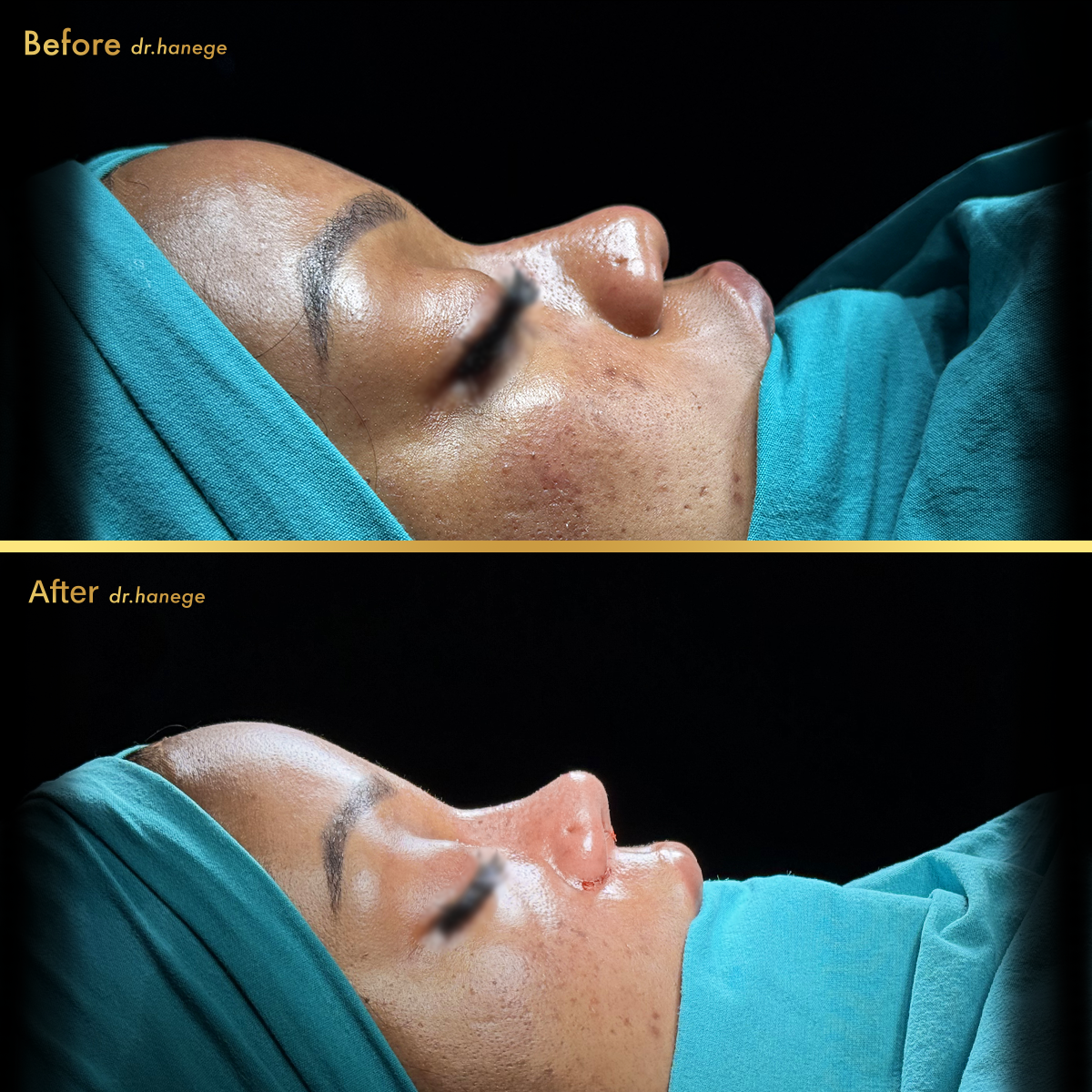
Introduction: Why Skin Thickness Matters in Ethnic Rhinoplasty
When it comes to rhinoplasty, one factor plays a crucial yet often underestimated role in the final outcome — skin thickness. While bone structure and cartilage shape are key determinants of nasal contour, the skin envelope ultimately defines how well those underlying changes are visible after surgery.
In ethnic rhinoplasty, where patients often present with thicker or more fibrous skin, understanding and managing skin thickness is essential to achieving natural, refined, and balanced results.
Whether you’re from Middle Eastern, African, Asian, or Latin heritage, your skin’s structure affects how your nose heals, how definition appears, and how long it takes to see your final results. This 2025 guide explores how skin thickness influences ethnic rhinoplasty outcomes, the surgical techniques used to optimize results, and why working with an experienced ethnic rhinoplasty specialist makes all the difference.
1. Understanding Ethnic Rhinoplasty and Its Unique Challenges
Ethnic rhinoplasty refers to nose reshaping procedures performed on patients of diverse ethnic backgrounds, often aiming to enhance the nose while preserving cultural and facial identity.
Unlike standard Caucasian rhinoplasty, ethnic procedures frequently involve:
- Thicker skin and weaker cartilage support.
- Broader nasal bases and low nasal bridges.
- Soft-tissue-heavy nasal tips that limit definition.
These anatomical characteristics mean that surgeons must take a different approach — focusing not on excessive reduction but on structural enhancement, supportive grafting, and precise tip definition that harmonizes with the patient’s natural features.
And among all the anatomical differences, skin thickness plays the most influential role in shaping how results appear post-surgery.

2. What Is Skin Thickness and Why Does It Vary?
Skin thickness refers to the depth and density of the dermal and subcutaneous layers that cover the nasal framework. It varies greatly from person to person and across ethnicities.
- Thick nasal skin often contains more sebaceous (oil-producing) glands and fibrous tissue.
- Thin nasal skin reveals underlying bone and cartilage more clearly but can show even minor irregularities.
In general:
- African, Middle Eastern, and some Asian patients tend to have thicker nasal skin.
- Caucasian and Northern European patients often have thinner skin.
These differences are not aesthetic flaws but genetic variations that require a customized surgical plan.
3. How Skin Thickness Influences Rhinoplasty Results
Skin thickness can significantly affect the visual outcome of rhinoplasty in several ways:
a. Definition and Contour Visibility
In thick-skinned patients, even when the surgeon refines the cartilage and bone underneath, the outer skin may mask fine structural details. This means the final nose may appear less sharp or “defined” compared to a thin-skinned result.
b. Healing and Swelling Duration
Thick nasal skin tends to retain fluid longer, leading to extended swelling and a slower recovery process. It may take up to a year or more for the final contour to fully appear.
c. Scar Formation and Skin Contraction
Thicker skin is more resistant to contraction after surgery, meaning it might not shrink perfectly over a newly reduced nasal framework. Conversely, thin skin can sometimes adhere too tightly, revealing imperfections.
d. Long-Term Stability
On the positive side, thicker skin provides better long-term camouflage of minor irregularities, helping the results look smoother and more natural as the nose ages.
4. Assessing Skin Thickness Before Surgery
During the consultation phase, an experienced surgeon evaluates skin thickness, cartilage strength, and nasal structure before designing a surgical plan.
Skin thickness is typically assessed through:
- Visual inspection (pore size, oiliness, redness).
- Palpation (gently pinching the nasal tip and dorsum).
- Ethnic background and genetic traits.
Understanding this helps the surgeon decide:
- How much cartilage refinement is appropriate.
- Whether grafting or augmentation is needed.
- What post-operative care will best support healing.
This assessment ensures realistic expectations and a result that harmonizes with each patient’s unique anatomy.

5. Surgical Techniques for Thick-Skinned Patients
Thick skin does not mean you can’t achieve a beautiful, refined nose — it simply requires specialized techniques to ensure definition and proportion.
a. Structural Support and Grafting
Since thick skin tends to obscure delicate definition, surgeons often use stronger cartilage grafts (from the septum, ear, or rib) to build a more defined nasal framework.
This helps “push through” the skin envelope and maintain structure over time.
b. Tip Refinement Strategies
To create a refined tip in thick-skinned noses, surgeons avoid over-reduction. Instead, they focus on:
- Narrowing and reshaping the tip cartilages.
- Reinforcing with grafts for better projection.
- Using sutures to achieve precision shaping.
c. Skin Thinning and Soft Tissue Management
In select cases, conservative soft tissue thinning may be performed to reduce excessive fat or fibrous tissue under the skin — always ensuring the blood supply remains intact.
d. Dorsal Augmentation
Instead of reducing the bridge too much, surgeons may slightly augment the dorsum to create better balance with the facial profile. This technique helps thick skin drape more naturally.
The overall goal is to create a strong underlying structure that defines the nose subtly but effectively.
6. The Role of Post-Operative Care in Thick Skin Healing
Post-surgery care plays a vital role in how thick skin heals and contracts. Patients with thick nasal skin should follow a precise, long-term care plan, including:
- Steroid injections (if needed): Used to reduce excessive scar tissue or swelling under the skin.
- Lymphatic massage: Helps promote faster fluid drainage and smoother healing.
- Topical skincare: Non-comedogenic creams and mild exfoliation to manage oiliness and texture.
- Sun protection: Prevents post-inflammatory pigmentation during the healing phase.
With consistent care, even thick-skinned patients can achieve refined and natural-looking outcomes that continue improving over time.
7. Realistic Expectations and Long-Term Results
Patience is key when it comes to rhinoplasty for thick-skinned individuals. While initial swelling may take longer to subside, results tend to look softer, more natural, and age gracefully.
Patients should understand that:
- Final definition may take 12–18 months to fully appear.
- The goal is improvement, not perfection.
- A strong nasal framework ensures results remain stable for years.
Open communication with the surgeon about expectations and desired outcomes is essential to achieving satisfaction.
8. The Importance of Choosing an Experienced Ethnic Rhinoplasty Surgeon
Not all rhinoplasty surgeons are equally skilled in handling thick-skinned or ethnically diverse noses.
An expert ethnic rhinoplasty specialist understands the subtleties of each ethnic nasal structure and customizes the procedure accordingly.
When choosing your surgeon, look for:
- Extensive experience in ethnic and revision rhinoplasty.
- Before-and-after results of patients with similar skin types.
- A focus on natural, proportionate outcomes, not standardized “Western” noses.
- Clear communication and realistic surgical planning.
A skilled surgeon will know how to work with your skin type, not against it — enhancing your beauty while preserving your cultural identity.
9. Combining Procedures for Enhanced Balance
In some cases, patients may combine rhinoplasty with complementary treatments to further improve facial harmony and skin quality, such as:
- Chin augmentation for better side profile balance.
- Non-surgical skin treatments (microneedling, laser resurfacing) to refine texture.
- Dermal fillers to smooth facial transitions post-surgery.
These procedures help highlight the nose’s refinement and contribute to an overall balanced, natural appearance.
10. The Future of Rhinoplasty: Tailoring to Skin Diversity
As cosmetic surgery continues to evolve, the focus is shifting toward individualized approaches that celebrate diversity.
Surgeons now understand that beauty isn’t about conforming to one standard — it’s about refining what makes each face unique.
With advanced imaging technology, structural grafting techniques, and a deeper understanding of skin biology, rhinoplasty results for thick-skinned patients are more predictable, refined, and satisfying than ever before.
In 2025 and beyond, the art of rhinoplasty will continue to embrace this principle — that true beauty lies in balance, harmony, and authenticity.
Conclusion: Skin Thickness — The Silent Sculptor of Results
Your skin type is not an obstacle to rhinoplasty success — it’s a guiding factor that shapes the surgical strategy. Thick-skinned patients may face longer recovery times, but with proper planning and expert care, the results can be beautifully natural and proportionate.
When performed by a skilled ethnic rhinoplasty specialist, the procedure enhances your facial harmony, respects your ethnicity, and boosts confidence for a lifetime.
In the end, the key to success lies not in changing who you are, but in refining and balancing your features — from the inside out.