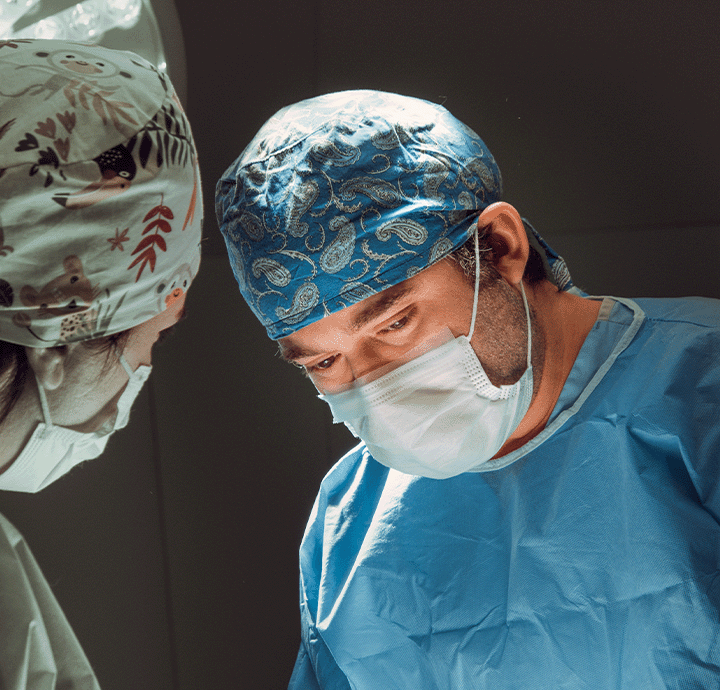


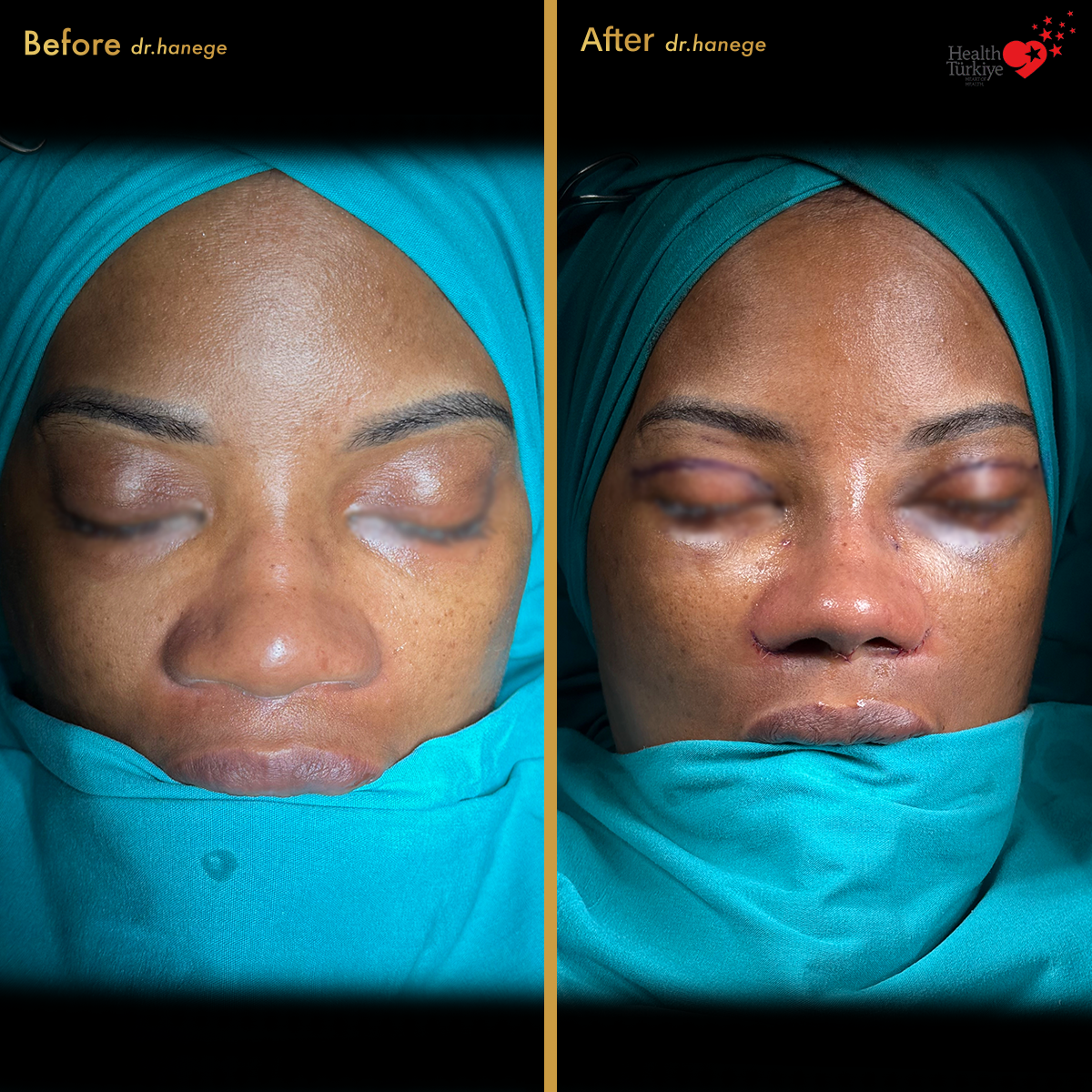
Rhinoplasty is one of the most technically demanding procedures in facial plastic surgery. While many primary nose surgeries can be performed using existing nasal cartilage, more complex cases often require additional structural support. This is where rib cartilage rhinoplasty becomes essential. Surgeons frequently use rib grafts in complex nose surgery to rebuild, strengthen, and reshape the nose in ways that would not be possible with standard techniques alone.
Rib cartilage has become one of the most reliable materials in modern rhinoplasty, especially in revision cases, ethnic rhinoplasty, traumatic deformities, and severe structural collapse. In this comprehensive guide, we explore why surgeons use rib cartilage grafts, how the procedure works, and what patients should expect during recovery.
What Is Rib Cartilage Rhinoplasty?
Rib cartilage rhinoplasty is a type of nose surgery that uses cartilage harvested from the patient’s rib to reshape or reconstruct the nose. The cartilage is typically taken from the lower rib area through a small incision and then sculpted into grafts that support different parts of the nose.
Unlike standard rhinoplasty procedures that rely only on septal cartilage, rib cartilage provides:
- Greater strength
- Larger graft volume
- Long-term structural stability
- More flexibility for complex reconstruction
This technique is especially useful when there is not enough cartilage available inside the nose.
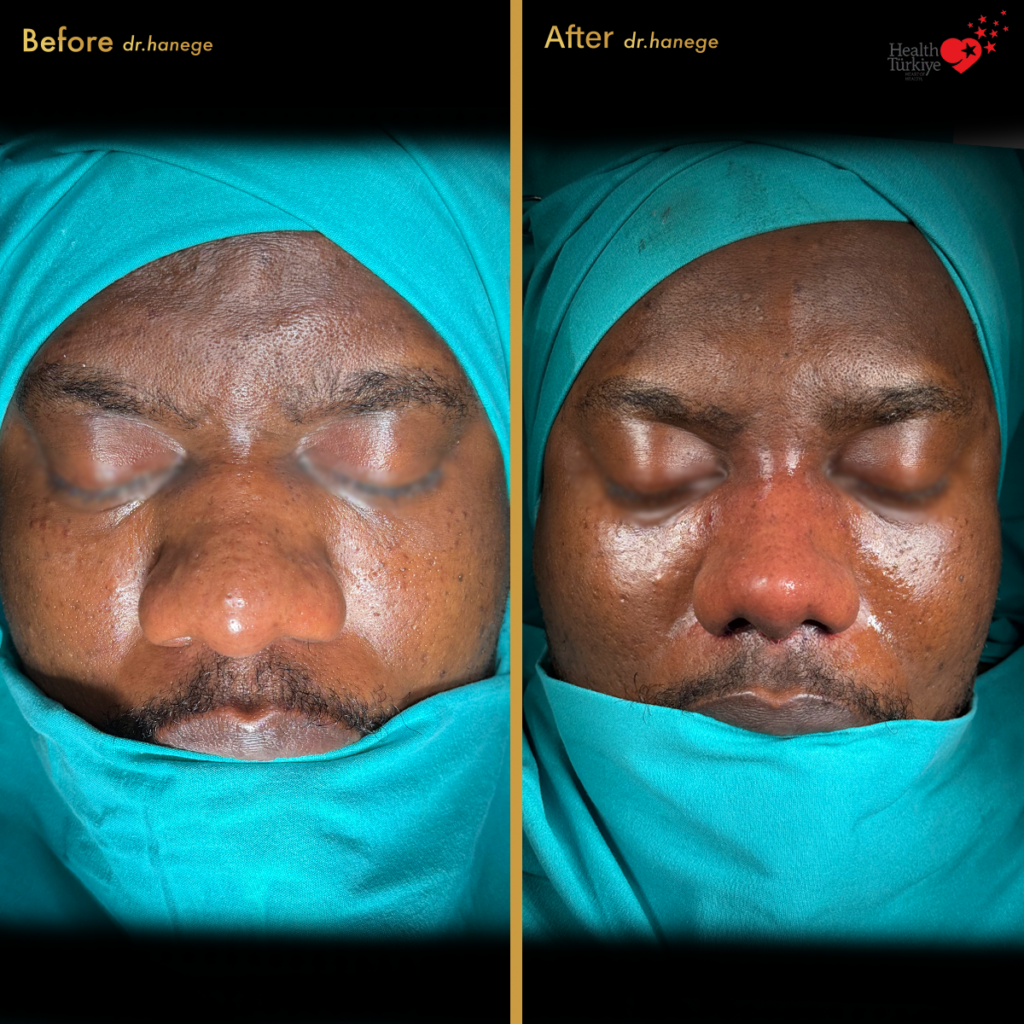
Why Rib Cartilage Is Used in Complex Nose Surgery
Complex rhinoplasty cases often involve severe structural problems that cannot be corrected with simple reshaping techniques.
Surgeons use rib grafts because they provide:
- Strong support for weak nasal structures
- Adequate material for major reconstruction
- Long-lasting stability
- Better control over nasal shape and projection
Rib cartilage is considered the “gold standard” for major structural rhinoplasty procedures.
Common Situations Where Rib Grafts Are Needed
Revision Rhinoplasty
One of the most common reasons for rib cartilage rhinoplasty is revision nose surgery. Patients who have undergone previous rhinoplasty may no longer have enough septal cartilage available.
Revision cases often involve:
- Collapsed nasal bridge
- Over-resection of cartilage
- Breathing problems
- Asymmetry
Rib grafts help rebuild and restore the nasal framework.
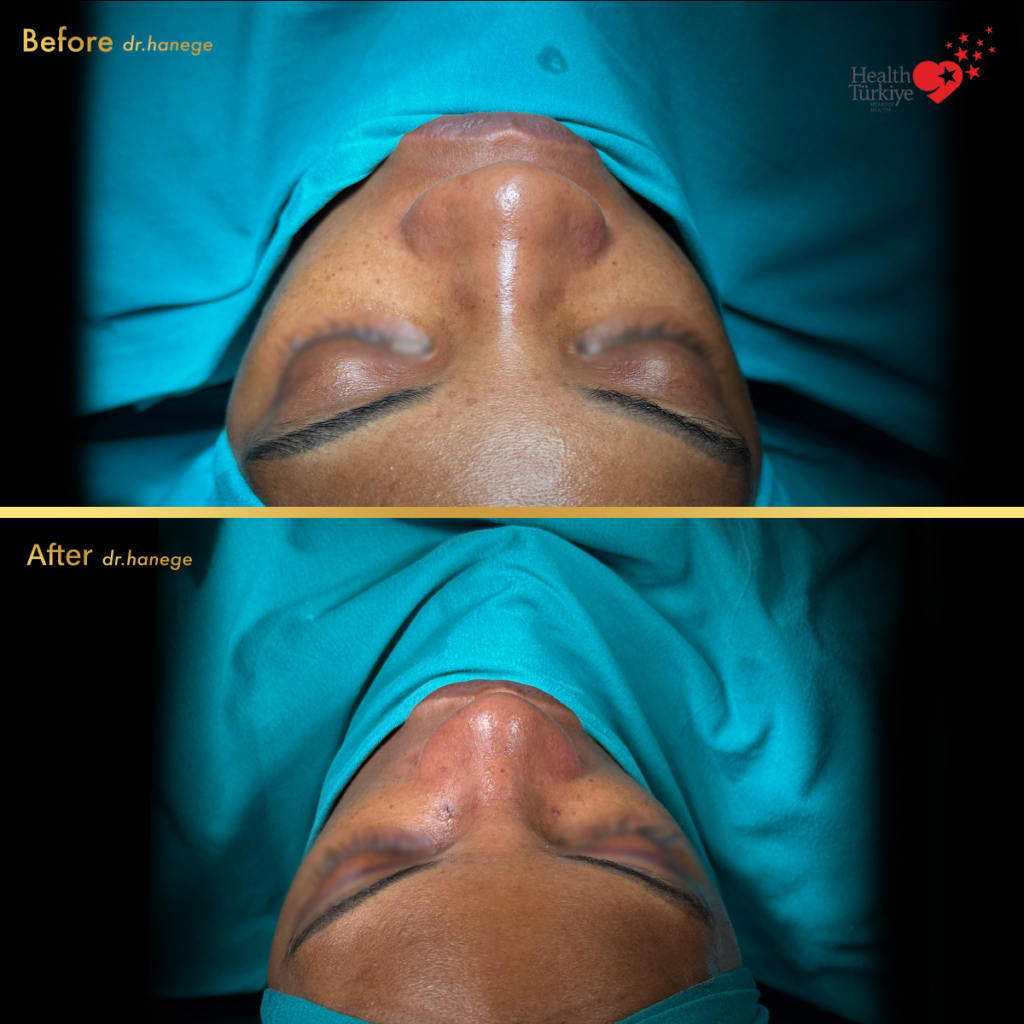
Ethnic Rhinoplasty
In ethnic rhinoplasty, patients often require augmentation rather than reduction. Many ethnic noses have:
- Lower nasal bridges
- Weak cartilage support
- Thick skin
Rib cartilage allows surgeons to create:
- Better tip projection
- Improved bridge definition
- Stronger long-term support
This is especially important in African, Asian, Middle Eastern, and Latin rhinoplasty patients.
Traumatic Nasal Deformities
Patients with nasal injuries or fractures may experience:
- Structural collapse
- Crooked appearance
- Breathing difficulties
Rib cartilage is often necessary to reconstruct the damaged nasal anatomy.
Severe Saddle Nose Deformity
A saddle nose deformity occurs when the nasal bridge collapses inward, creating a depressed appearance. This condition may result from:
- Previous surgery
- Trauma
- Infection
- Autoimmune diseases
Rib grafts provide the strength needed to rebuild the nasal bridge.
Why Surgeons Prefer Rib Cartilage Over Other Grafts
Several types of cartilage can be used in rhinoplasty:
- Septal cartilage (from the nose)
- Ear cartilage
- Rib cartilage
Each has advantages, but rib cartilage offers unique benefits in complex cases.
1. Large Quantity of Cartilage
Rib cartilage provides more material than septal or ear cartilage, making it ideal for extensive reconstruction.
2. Strong Structural Support
It is significantly stronger than ear cartilage and better suited for major reshaping.
3. Long-Term Stability
Rib grafts maintain shape and support over time, reducing the risk of collapse.
4. Versatility
Surgeons can carve rib cartilage into different shapes and sizes depending on surgical needs.
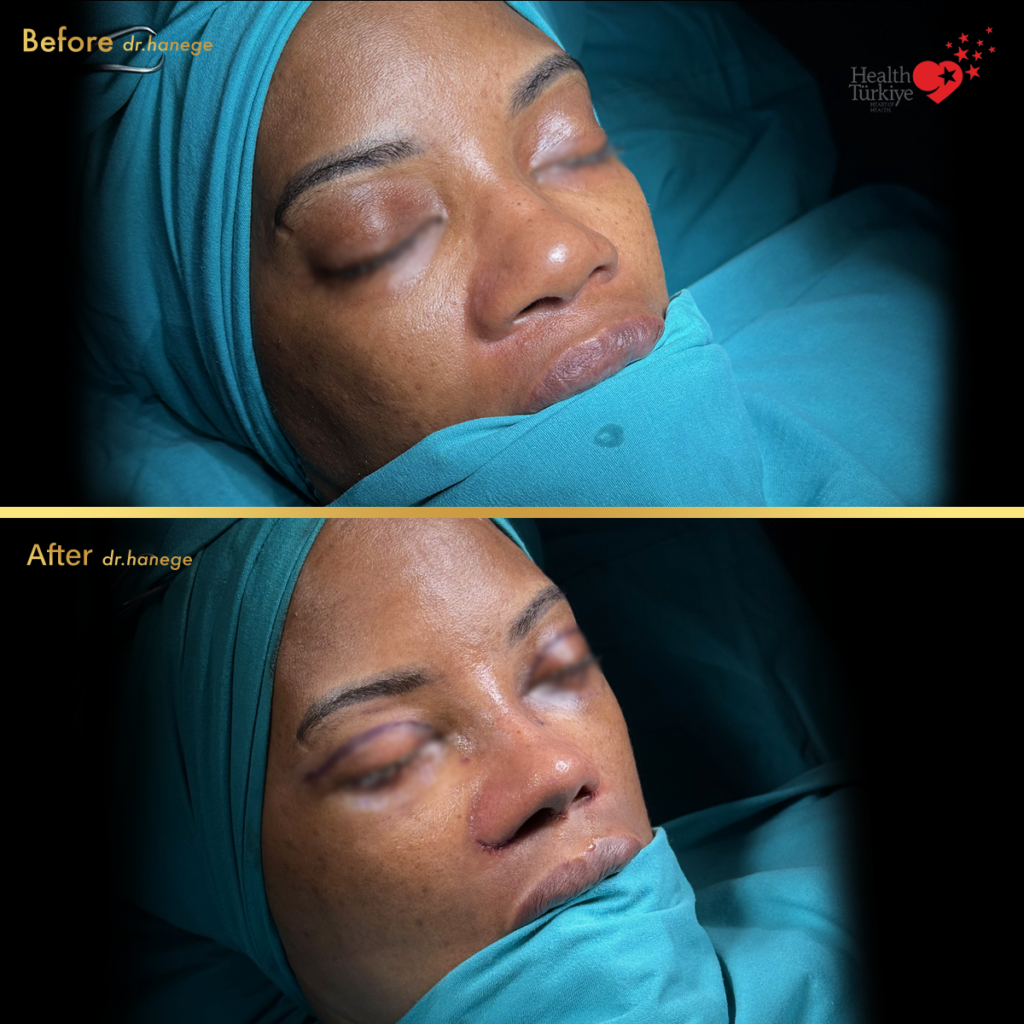
How Rib Cartilage Is Harvested
The cartilage is typically harvested from the patient’s own rib, usually from the lower chest area.
Procedure Steps:
- A small incision is made near the rib cage
- A portion of cartilage is carefully removed
- The cartilage is sculpted into grafts
- The grafts are placed into the nose
Modern techniques minimize scarring and discomfort at the donor site.
Is Rib Cartilage Safe?
Yes, autologous rib cartilage (cartilage taken from the patient’s own body) is considered very safe because:
- There is no risk of rejection
- Infection risk is low
- The material is biocompatible
Using the patient’s own tissue provides the safest and most natural long-term results.
Rib Cartilage vs. Artificial Implants
Some patients ask why surgeons use rib cartilage instead of silicone or synthetic implants.
Advantages of Rib Cartilage:
- Lower infection risk
- More natural integration
- Better long-term safety
- Reduced risk of extrusion
While implants may be appropriate in select cases, many experienced rhinoplasty surgeons prefer rib cartilage for complex reconstruction.
Challenges of Rib Cartilage Rhinoplasty
Although highly effective, rib cartilage rhinoplasty is technically demanding.
Potential Challenges Include:
- Warping of the cartilage
- Longer surgical time
- Additional incision on the chest
- Increased swelling in complex cases
Experienced surgeons use advanced carving techniques to minimize these risks.
Recovery After Rib Cartilage Rhinoplasty
Recovery from rib cartilage rhinoplasty is similar to standard rhinoplasty but may involve mild chest discomfort.
First Week
- Swelling and bruising around the nose
- Mild soreness at the rib donor site
- Nasal splint in place
2–4 Weeks
- Gradual reduction in swelling
- Improved breathing
- Return to daily activities
Several Months
- Continued refinement of nasal shape
- Final results become more visible
Most patients report that chest discomfort is manageable and temporary.
Does Rib Cartilage Rhinoplasty Hurt?
Patients are often concerned about pain from the rib area. However, most describe it as:
- Mild soreness
- Tightness
- Temporary discomfort
Modern pain management techniques make recovery much easier than many expect.
The Importance of Surgeon Experience
Rib cartilage rhinoplasty requires advanced expertise. The surgeon must understand:
- Structural rhinoplasty principles
- Graft carving techniques
- Nasal anatomy
- Long-term support strategies
Choosing an experienced rhinoplasty surgeon significantly improves outcomes.
Natural Results with Rib Cartilage Grafts
One misconception is that rib grafts create an unnatural appearance. In reality, when performed correctly, rib cartilage rhinoplasty can produce:
- Natural contours
- Improved facial harmony
- Balanced projection
- Long-lasting support
The key is precise customization and conservative shaping.
Functional Benefits of Rib Cartilage Rhinoplasty
In addition to cosmetic improvement, rib grafts often help restore:
- Nasal airflow
- Internal support structures
- Breathing function
This makes rib cartilage rhinoplasty both aesthetic and functional.
Long-Term Results and Patient Satisfaction
Rib cartilage provides durable, stable outcomes that can last for decades. Patients often experience:
- Improved confidence
- Better breathing
- Enhanced facial balance
- Reduced need for future revisions
For complex rhinoplasty cases, rib cartilage often offers the most reliable long-term solution.
Why Rib Grafts Play a Critical Role in Modern Rhinoplasty
Rib cartilage rhinoplasty has transformed the way surgeons approach complex nose surgery. Whether for revision rhinoplasty, ethnic rhinoplasty, traumatic deformities, or structural collapse, rib grafts provide the strength and versatility needed to achieve safe, natural, and long-lasting results.
While the procedure is more advanced than standard rhinoplasty, modern techniques and experienced surgeons make rib cartilage grafting highly effective and predictable. For patients with challenging nasal anatomy or previous surgeries, rib cartilage rhinoplasty can offer both functional improvement and aesthetic transformation.