


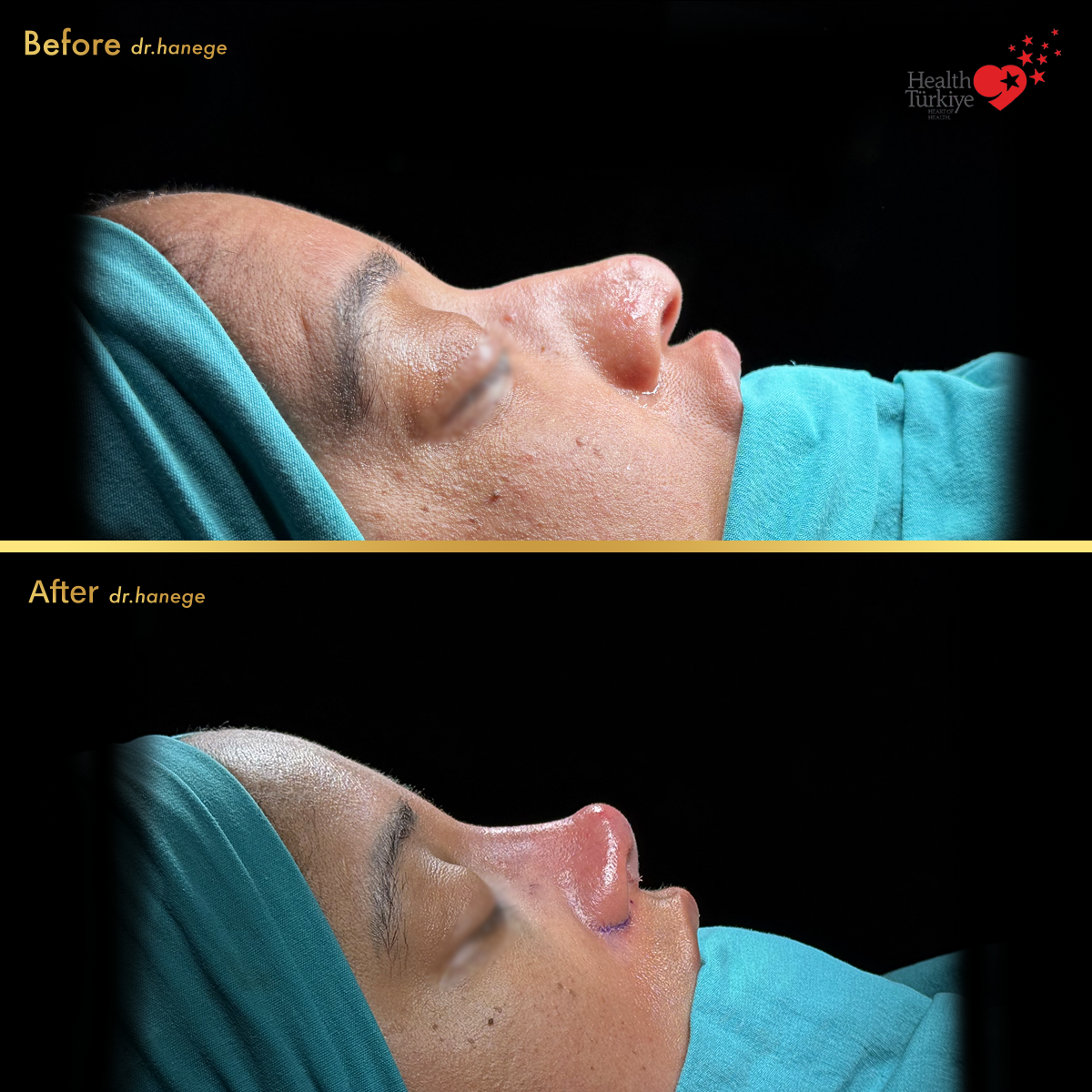
Ethnic rhinoplasty is one of the most specialized fields in facial plastic surgery. Unlike traditional rhinoplasty procedures that often focus on reduction, ethnic rhinoplasty frequently requires augmentation, structural reinforcement, and preservation of ethnic identity. In many complex cases, surgeons rely on rib cartilage grafts to achieve stable, natural-looking, and long-lasting results.
But when is rib cartilage truly necessary in ethnic rhinoplasty? Not every patient requires rib grafts, and understanding the reasons behind their use can help patients make informed decisions about their surgery.
In this comprehensive guide, we explore the role of rib cartilage in ethnic rhinoplasty, the situations where it becomes essential, and why experienced surgeons often prefer rib grafts for challenging nose surgeries.
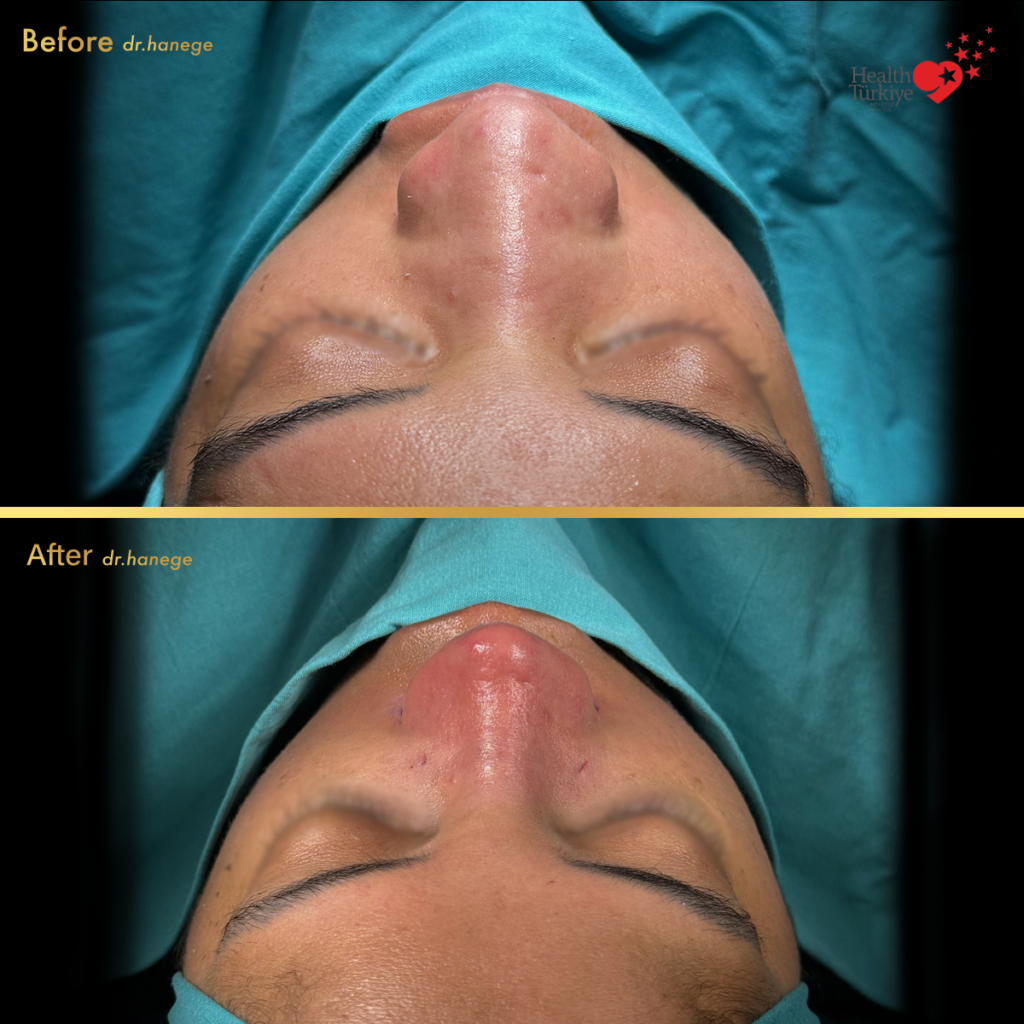
Understanding Ethnic Rhinoplasty
Ethnic rhinoplasty refers to rhinoplasty procedures performed on patients from diverse ethnic backgrounds, including:
- African
- Asian
- Middle Eastern
- Hispanic and Latin
- Mixed ethnic heritage
The goal is not to erase ethnic identity but to create a nose that looks natural, balanced, and harmonious with the patient’s facial features.
Unlike standard rhinoplasty, ethnic rhinoplasty often focuses on:
- Increasing projection
- Enhancing structural support
- Refining the tip without over-reduction
- Preserving cultural characteristics
These goals frequently require additional cartilage support.
What Is Rib Cartilage Rhinoplasty?
Rib cartilage rhinoplasty involves harvesting cartilage from the patient’s rib and using it to reshape or reconstruct the nose. Rib cartilage is:
- Strong
- Durable
- Flexible for sculpting
- Available in large quantities
It is commonly used in complex rhinoplasty procedures where septal cartilage alone is insufficient.
Why Ethnic Rhinoplasty Often Requires More Structural Support
Many ethnic noses naturally have:
- Softer cartilage
- Thicker skin
- Lower nasal bridges
- Wider nasal bases
- Less tip support
These anatomical characteristics make structural reinforcement especially important.
Without proper support, the nose may:
- Lose definition
- Collapse over time
- Develop breathing problems
- Produce short-term rather than lasting results
This is why rib cartilage becomes a valuable tool in ethnic rhinoplasty.
1. Rib Cartilage Is Necessary When Septal Cartilage Is Insufficient
The first source of cartilage in rhinoplasty is usually the nasal septum. However, many patients:
- Do not have enough septal cartilage naturally
- Have weak cartilage quality
- Already used septal cartilage in previous surgeries
In these situations, rib cartilage provides the additional material needed for safe reconstruction and augmentation.
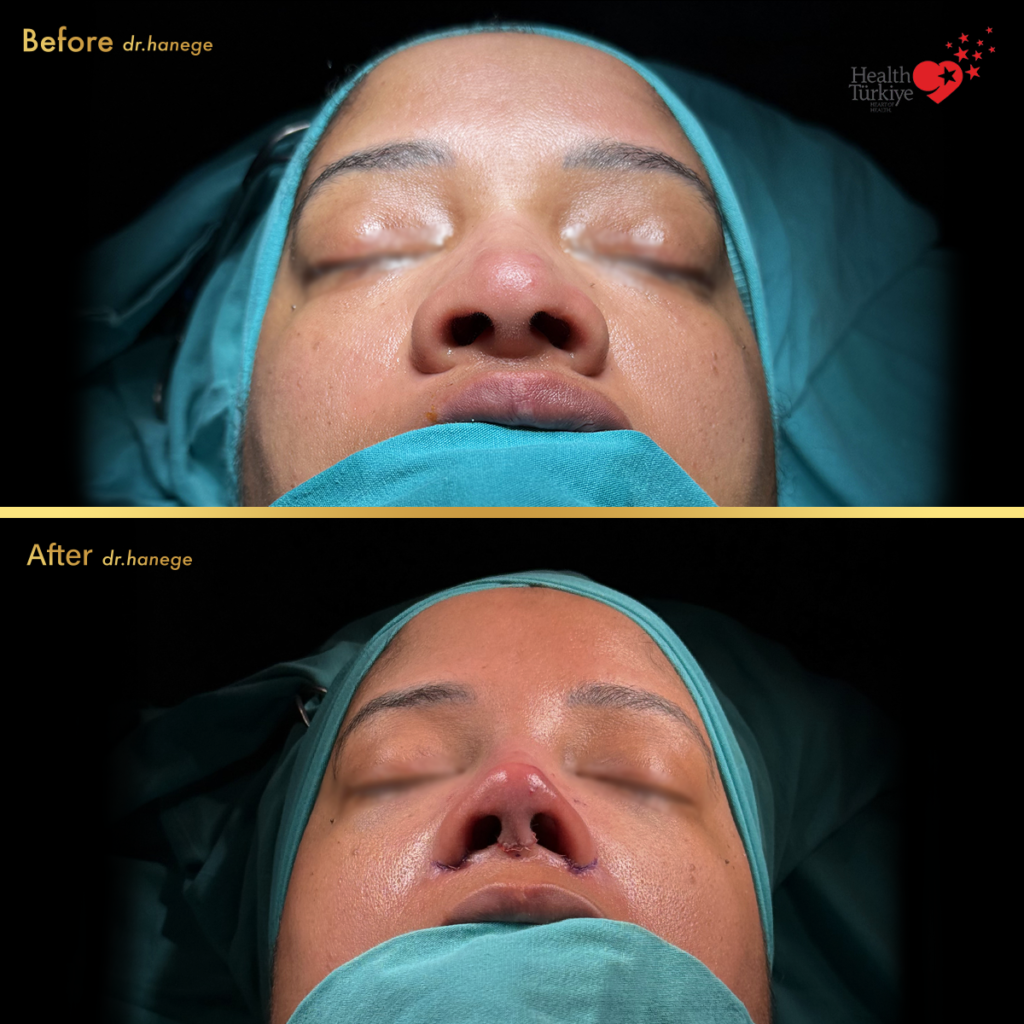
2. Rib Grafts Are Often Required in Revision Ethnic Rhinoplasty
Revision ethnic rhinoplasty is one of the most common reasons surgeons use rib cartilage.
Patients who previously underwent unsuccessful rhinoplasty may experience:
- Structural collapse
- Over-resection of cartilage
- Breathing difficulties
- Asymmetry
- Pinched nasal tip
Because cartilage inside the nose is often depleted after earlier surgeries, rib cartilage becomes the best option for rebuilding the nasal framework.
Why Revision Cases Are More Complex
Scar tissue, weakened anatomy, and altered nasal support make revision surgery significantly more difficult than primary rhinoplasty.
Rib cartilage provides:
- Strong structural reinforcement
- Large amounts of graft material
- Better long-term stability
This makes it the preferred choice in advanced revision cases.
3. Thick Skin Patients Frequently Benefit from Rib Cartilage
Thick skin is very common in ethnic rhinoplasty patients. While thick skin can create smooth contours, it also presents challenges:
- Reduced tip definition
- Heavier soft tissue envelope
- Increased pressure on the nasal structure
Weak cartilage may not be strong enough to support thick skin over time.
Rib cartilage allows surgeons to build:
- Stronger tip projection
- Better nasal definition
- More durable structural support
This helps maintain results long after surgery.
4. Rib Cartilage Is Necessary for Major Nasal Augmentation
Unlike traditional rhinoplasty, ethnic rhinoplasty often focuses on augmentation instead of reduction.
Patients may desire:
- Higher nasal bridge
- More tip projection
- Improved facial balance
These changes require substantial graft material, which rib cartilage can provide safely and naturally.
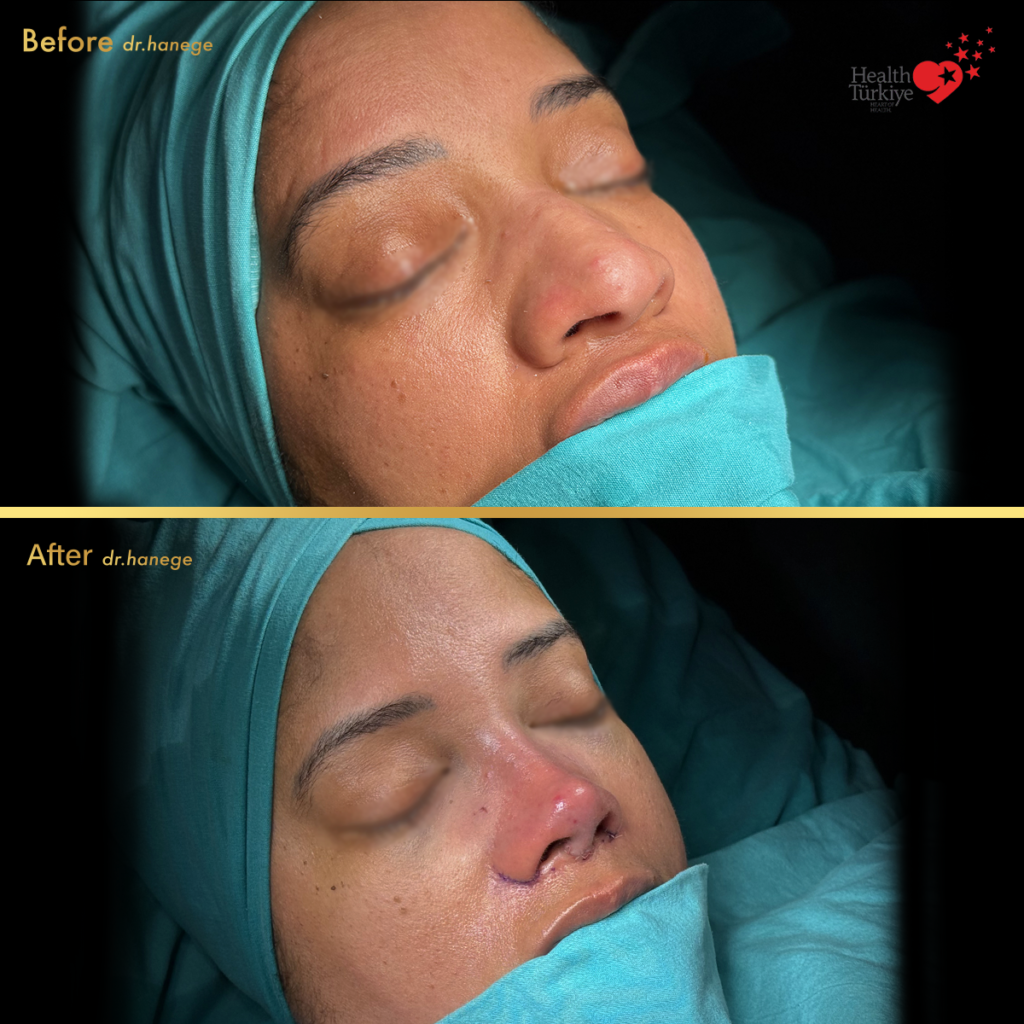
Why Small Grafts Are Sometimes Not Enough
Septal or ear cartilage may work for minor refinements, but they often lack:
- Sufficient volume
- Strength for large augmentations
- Long-term durability
Rib cartilage offers the structural integrity needed for more significant enhancements.
5. Severe Structural Weakness Requires Rib Grafts
Some patients naturally have extremely weak nasal cartilage. Others develop weakness after trauma or previous surgery.
Signs of structural weakness include:
- Tip drooping
- Nasal collapse during breathing
- Poor tip definition
- Asymmetrical nostrils
Rib grafts help rebuild and stabilize the nose both aesthetically and functionally.
6. Rib Cartilage Helps Improve Breathing Function
Ethnic rhinoplasty is not only cosmetic. Many patients also experience:
- Deviated septum
- Internal nasal valve collapse
- Breathing obstruction
Strong cartilage grafts can reinforce internal nasal structures and improve airflow.
Functional benefits include:
- Easier breathing
- Better sleep quality
- Improved exercise tolerance
This combination of cosmetic and functional improvement is one of the biggest advantages of rib cartilage rhinoplasty.
7. Complex Ethnic Rhinoplasty Cases Need Long-Term Stability
One of the biggest goals in rhinoplasty is maintaining results over time. Weak support structures may initially look good but gradually collapse.
Rib cartilage offers:
- Long-lasting support
- Resistance against skin pressure
- Better preservation of nasal shape
For complex ethnic rhinoplasty cases, this stability is essential.
Why Surgeons Prefer Rib Cartilage Over Synthetic Implants
Some patients ask whether silicone or artificial implants can replace rib cartilage.
While implants may provide temporary enhancement, rib cartilage is often preferred because:
- It integrates naturally with the body
- It has lower infection risk
- It feels more natural
- It reduces risk of extrusion or shifting
Autologous rib cartilage (from the patient’s own body) remains one of the safest options in advanced rhinoplasty.
Does Rib Cartilage Rhinoplasty Leave a Scar?
A small incision is typically made near the chest to harvest cartilage. Modern techniques help minimize scarring.
In most cases:
- The scar is small and discreet
- It fades significantly over time
- It is hidden under clothing
Most patients consider the trade-off worthwhile for the improved rhinoplasty outcome.
Recovery After Rib Cartilage Ethnic Rhinoplasty
Recovery is slightly more involved than standard rhinoplasty because there are two healing areas:
- The nose
- The rib donor site
Common Recovery Symptoms:
- Swelling and bruising
- Mild chest soreness
- Nasal congestion
- Temporary tightness
Most patients return to normal daily activities within 1–2 weeks.
Is Rib Cartilage Rhinoplasty Painful?
Patients are often surprised that discomfort from the rib area is usually manageable.
Most describe it as:
- Mild soreness
- Tightness during movement
- Temporary sensitivity
Pain is typically controlled with medication and improves significantly within days.
Choosing the Right Surgeon Matters
Rib cartilage rhinoplasty is highly technical and requires advanced expertise. The surgeon must understand:
- Ethnic nasal anatomy
- Structural rhinoplasty techniques
- Cartilage carving methods
- Long-term support principles
Choosing a surgeon experienced in ethnic rhinoplasty and rib grafting is essential for achieving natural, stable results.
Natural Results with Rib Cartilage
One common misconception is that rib cartilage creates an artificial appearance. In reality, when performed correctly, it can produce:
- Natural contours
- Balanced projection
- Preserved ethnic identity
- Harmonious facial proportions
The key is customization and surgical precision.
When Rib Cartilage Becomes Essential in Ethnic Rhinoplasty
Rib cartilage becomes necessary in ethnic rhinoplasty when significant structural support, augmentation, or reconstruction is required. Patients with thick skin, weak cartilage, revision surgeries, breathing problems, or major augmentation goals often benefit the most from rib grafts.
Although rib cartilage rhinoplasty is more complex than standard nose surgery, it provides unmatched strength, versatility, and long-term stability. For many ethnic rhinoplasty patients, rib grafts make it possible to achieve natural-looking results while preserving both function and cultural identity.
With proper planning and an experienced surgeon, rib cartilage rhinoplasty can deliver transformative yet authentic outcomes that last for years.