

When patients hear the term rib cartilage rhinoplasty, one of the first questions they ask is, “Will my nose look natural?” This concern is completely understandable. Most people considering rhinoplasty are not looking for an artificial or overly sculpted appearance—they want a nose that complements their facial features while preserving their unique identity.
The good news is that rib cartilage rhinoplasty can produce exceptionally natural-looking results when performed by an experienced rhinoplasty surgeon. In fact, rib cartilage has become one of the most trusted graft materials for complex nose surgeries because it provides the strength, stability, and flexibility needed to create a nose that looks and functions naturally for many years.
In this comprehensive guide, we explain how rib cartilage is used in rhinoplasty, why it often creates highly natural outcomes, and what patients should know before choosing this advanced surgical technique.
What Is Rib Cartilage Rhinoplasty?
Rib cartilage rhinoplasty is a specialized nose surgery that uses cartilage harvested from the patient’s own rib to reshape or reconstruct the nose. The cartilage is carefully carved into customized grafts that reinforce the nasal framework, improve symmetry, restore structural support, and enhance facial harmony.
Unlike synthetic implants, rib cartilage is a natural tissue taken from the patient’s own body. Because it is biocompatible, it integrates well with surrounding tissues and offers long-lasting structural support.
Surgeons commonly recommend rib cartilage for:
- Revision rhinoplasty
- Ethnic rhinoplasty
- Major nasal reconstruction
- Saddle nose deformity
- Severe trauma
- Significant bridge augmentation
- Patients with insufficient septal cartilage
Why Do Patients Worry About Natural Results?
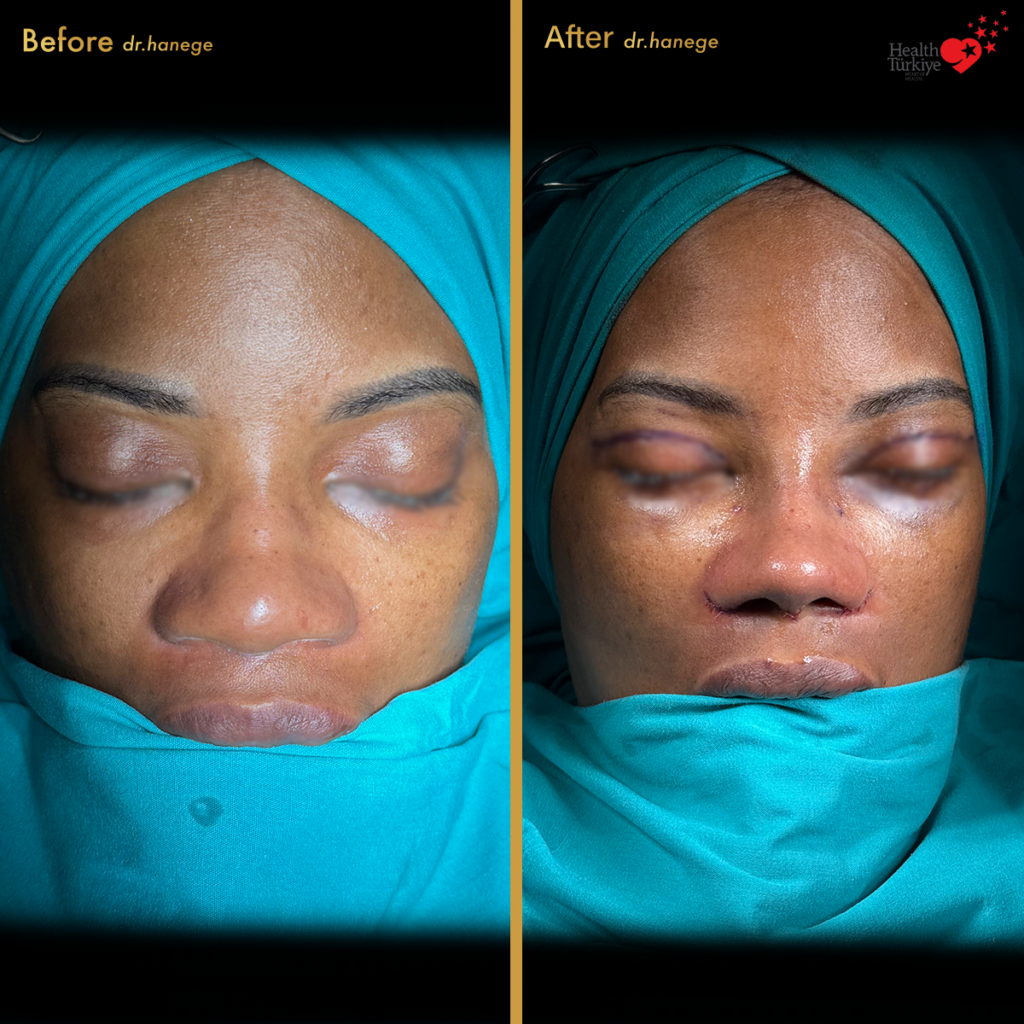
Many patients associate cartilage grafts with dramatic changes or artificial-looking noses. These concerns often come from seeing poorly performed surgeries or unrealistic cosmetic trends.
Common fears include:
- The nose looking too large
- A stiff or unnatural appearance
- Visible graft edges
- An overly projected nasal tip
- Losing facial identity
Fortunately, modern structural rhinoplasty follows a completely different philosophy. Today’s goal is not to create the same nose for every patient but to build a stable framework that enhances each individual’s natural facial proportions.
Does Rib Cartilage Rhinoplasty Look Natural?
The simple answer is yes.
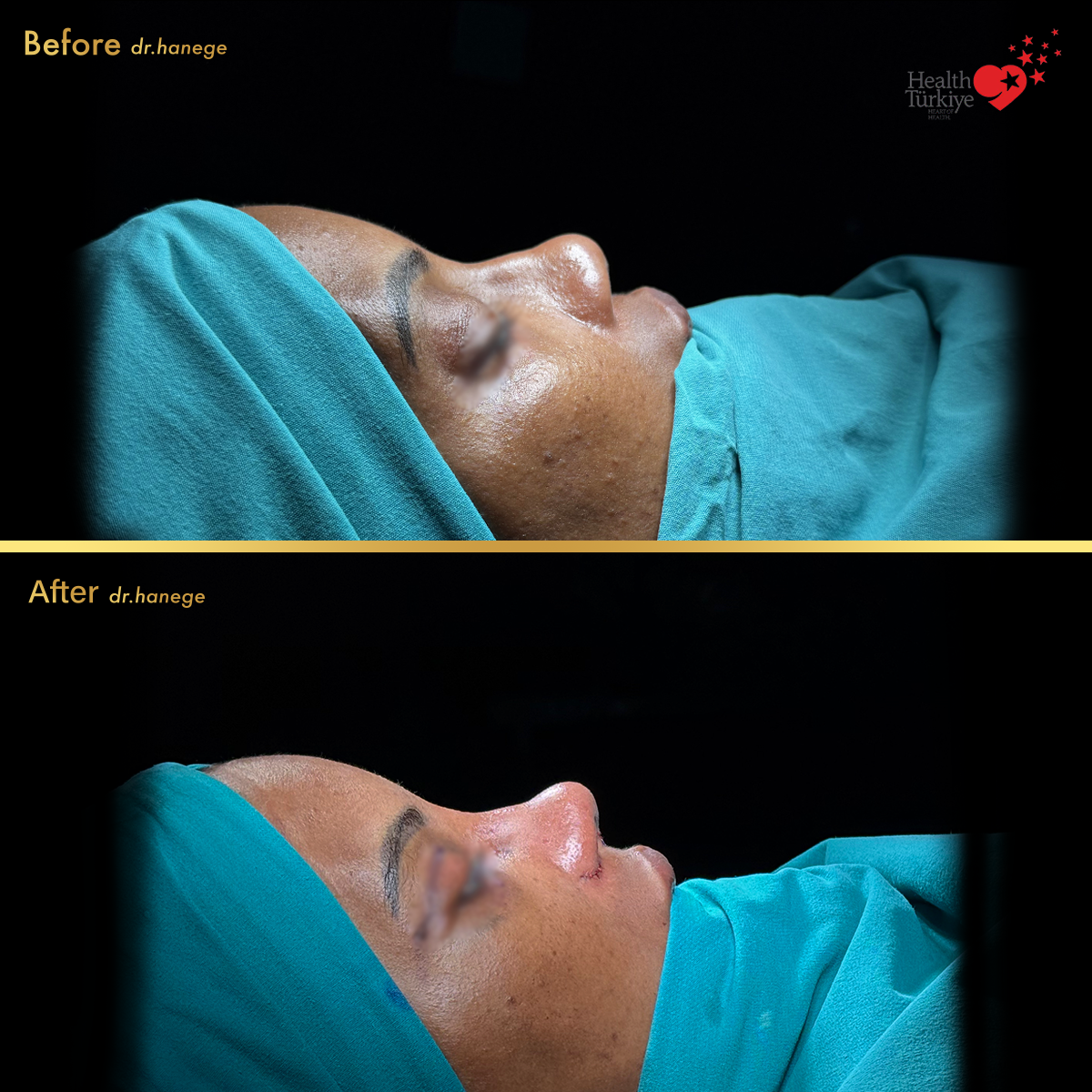
When performed correctly, rib cartilage rhinoplasty can produce some of the most natural and durable rhinoplasty results available.
The outcome depends far more on the surgeon’s experience and surgical planning than on the cartilage source itself.
A well-executed rib cartilage rhinoplasty should:
- Blend harmoniously with the face
- Preserve the patient’s ethnic and facial identity
- Improve breathing as well as appearance
- Avoid an “operated” look
- Maintain results over the long term
Most people should notice that you look more balanced and refreshed without immediately recognizing that you have had nose surgery.
Why Rib Cartilage Helps Create Natural Results
Many people assume stronger cartilage creates a harsher appearance. In reality, the opposite is often true.
A stable nasal framework allows surgeons to create subtle refinements while maintaining the nose’s long-term shape.
The advantages include:
- Better structural support
- Improved symmetry
- Stable tip projection
- Long-lasting bridge definition
- Reduced risk of postoperative collapse
Without adequate support, even an initially attractive result can change over time.
Rib Cartilage Is Customized for Every Patient
One of the greatest strengths of rib cartilage is its versatility.
Rather than inserting an entire piece of cartilage into the nose, surgeons sculpt each graft individually.
Common graft types include:
- Columellar strut grafts
- Spreader grafts
- Shield grafts
- Alar batten grafts
- Dorsal onlay grafts
Each graft is carefully shaped according to:
- Facial proportions
- Skin thickness
- Ethnic anatomy
- Functional requirements
- Cosmetic goals
This individualized approach is essential for achieving natural-looking results.
Natural Results in Ethnic Rhinoplasty
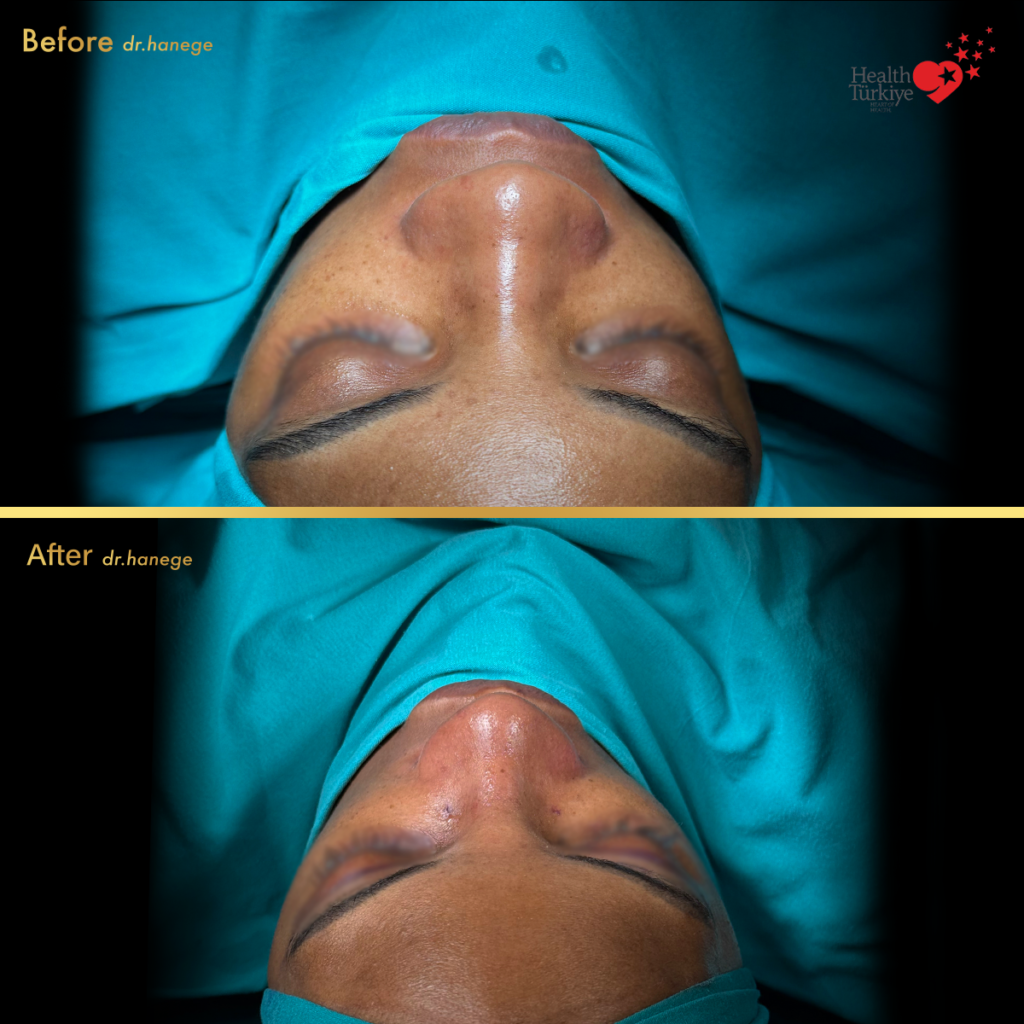
Rib cartilage plays an especially important role in ethnic rhinoplasty.
Many patients from African, Asian, Middle Eastern, Hispanic, and mixed ethnic backgrounds naturally have:
- Lower nasal bridges
- Softer cartilage
- Thick skin
- Wider nasal bases
The goal is never to erase these ethnic characteristics.
Instead, surgeons aim to:
- Improve facial harmony
- Enhance projection
- Preserve cultural identity
- Maintain natural proportions
Rib cartilage provides the structural support needed to accomplish these goals without creating an artificial appearance.
Thick Skin and Natural Outcomes
Patients with thick skin often worry that their results will not be visible.
Thick skin can reduce definition because it conceals some of the underlying cartilage framework.
However, rib cartilage helps by creating:
- Stronger tip support
- Better bridge definition
- Improved long-term projection
Instead of making the nose look exaggerated, rib cartilage provides the foundation necessary for subtle refinement beneath thicker skin.
Revision Rhinoplasty and Natural Reconstruction
Revision rhinoplasty is one of the most common reasons surgeons choose rib cartilage.
Patients may require revision due to:
- Over-resection
- Collapse after previous surgery
- Breathing problems
- Pinched nasal tip
- Saddle nose deformity
- Scar tissue
In these situations, the objective is not dramatic cosmetic change but restoring a natural appearance.
Rib cartilage allows surgeons to rebuild the nose in a way that looks balanced and proportional.
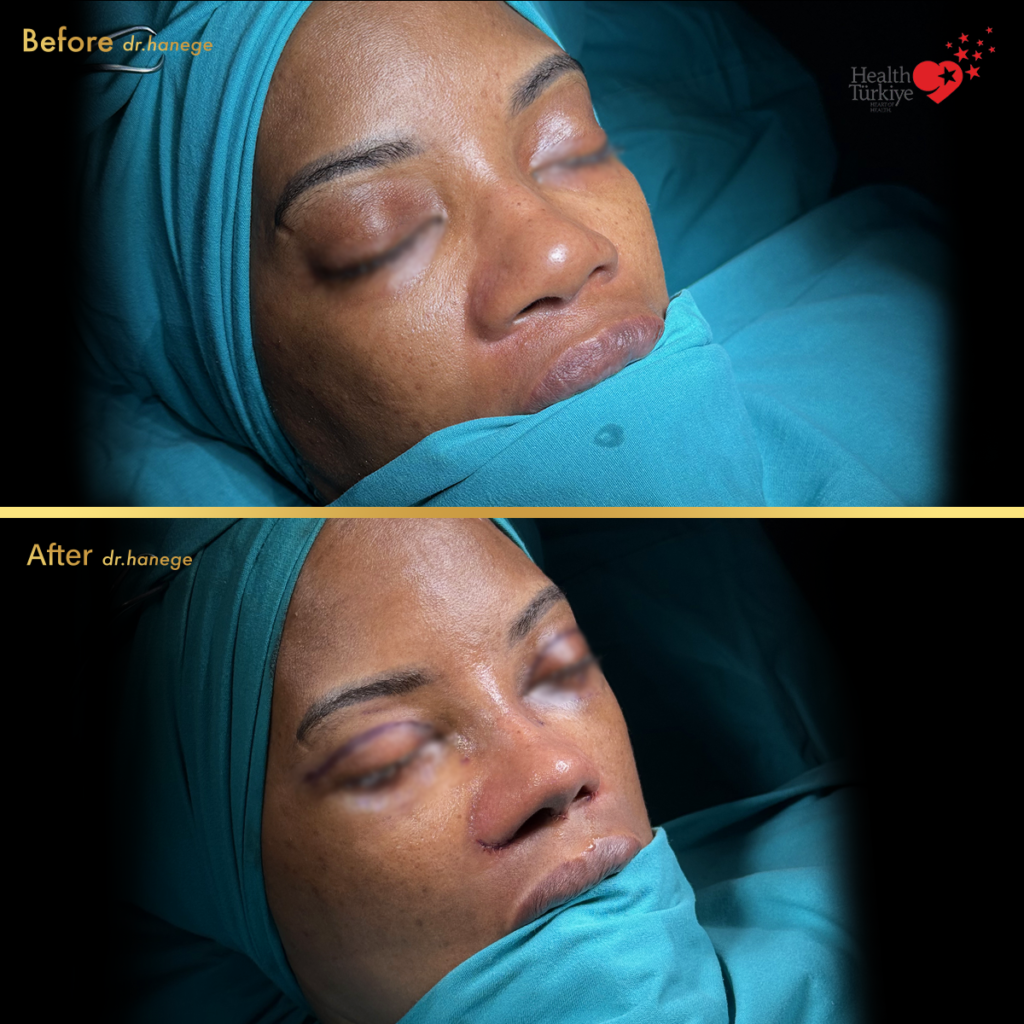
Why Artificial Implants May Look Less Natural
Some patients compare rib cartilage with silicone implants.
Although implants may increase bridge height, they can sometimes create:
- Sharp edges
- Implant visibility
- Unnatural stiffness
- Implant shifting
- Long-term complications
Autologous rib cartilage behaves more like natural nasal tissue because it becomes integrated into the body’s own anatomy.
This often produces smoother transitions and softer contours.
The Importance of Facial Harmony
One of the defining characteristics of natural rhinoplasty is facial harmony.
Experienced surgeons evaluate:
- Forehead projection
- Chin position
- Lip proportions
- Eye spacing
- Cheekbone structure
- Overall facial balance
The nose should complement the face rather than dominate it.
Rib cartilage simply provides the structural foundation needed to achieve that balance.
Surgeon Experience Is the Most Important Factor
The quality of the result depends far more on the surgeon than on the cartilage itself.
An experienced rhinoplasty surgeon understands:
- Structural rhinoplasty principles
- Ethnic nasal anatomy
- Cartilage carving techniques
- Functional reconstruction
- Long-term healing behavior
Even the highest-quality rib cartilage cannot compensate for poor surgical planning.
Choosing a surgeon with extensive experience in complex and ethnic rhinoplasty significantly increases the likelihood of natural results.
How Modern Techniques Prevent an Artificial Appearance
Advances in rhinoplasty have changed the way surgeons use rib cartilage.
Modern structural techniques emphasize:
- Conservative reshaping
- Preservation of natural anatomy
- Precise graft carving
- Individualized planning
- Balanced projection
Rather than forcing the nose into a predetermined shape, surgeons enhance existing anatomy.
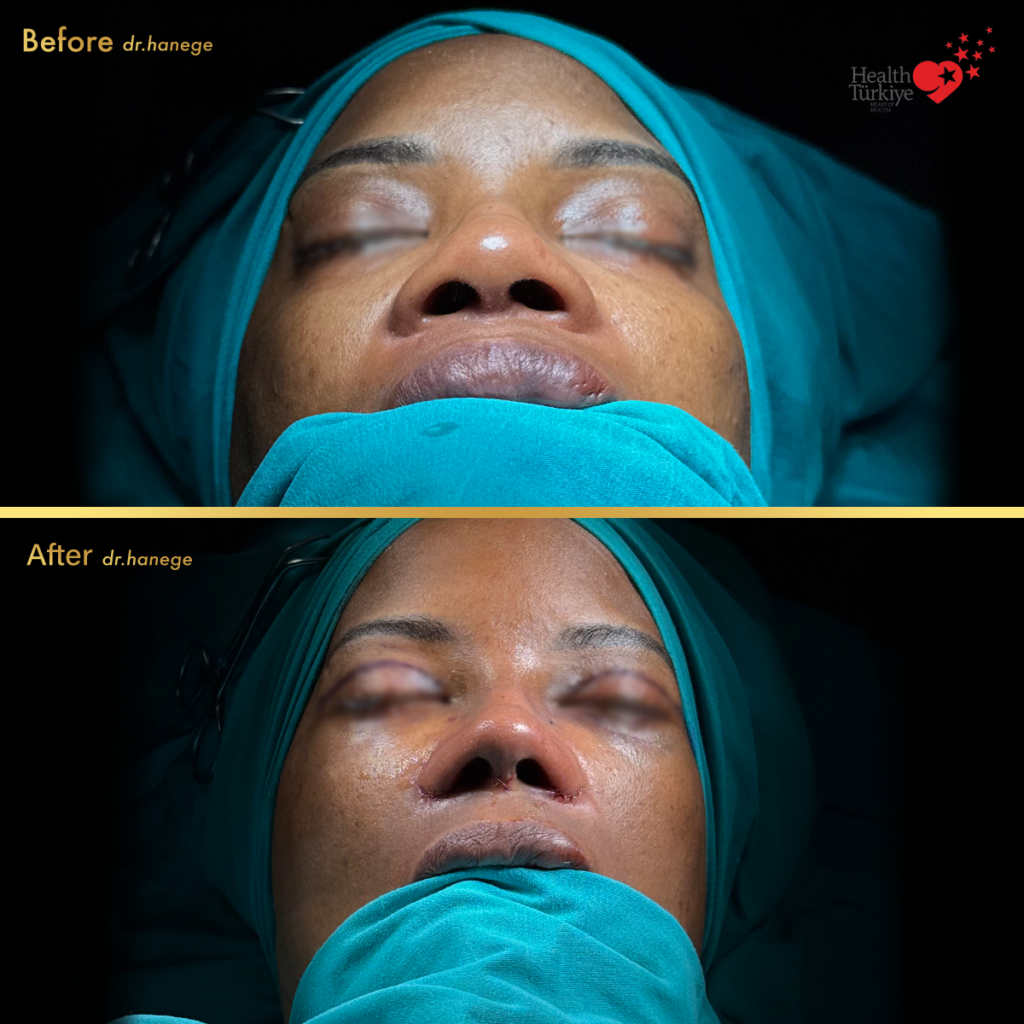
Healing Plays a Major Role
Natural results do not appear immediately after surgery.
Patients should expect:
First Week
- Swelling
- Bruising
- Nasal splint
First Month
- Significant swelling reduction
- Early improvement in contour
Three to Six Months
- Better tip definition
- Improved facial balance
Twelve to Eighteen Months
- Final refinement
- Mature nasal contours
- Natural appearance
Patience is essential because swelling can temporarily mask the final result.
Common Myths About Rib Cartilage Rhinoplasty
Myth 1: Rib Cartilage Makes the Nose Too Big
False.
Rib cartilage allows surgeons to create support—not unnecessary size.
Myth 2: Everyone Will Know You Had Surgery
False.
The goal of modern rhinoplasty is subtle improvement that blends naturally with your face.
Myth 3: Rib Cartilage Feels Different
Most patients cannot distinguish rib cartilage from their original nasal cartilage after healing.
Myth 4: Rib Cartilage Always Warps
Modern harvesting, carving, and stabilization techniques have greatly reduced the risk of warping when the procedure is performed by experienced surgeons.
Who Benefits Most from Rib Cartilage Rhinoplasty?
You may be an excellent candidate if you have:
- Previous rhinoplasty
- Thick nasal skin
- Weak cartilage
- Low bridge projection
- Ethnic nasal anatomy requiring augmentation
- Significant asymmetry
- Structural collapse
- Functional breathing issues
Your surgeon will evaluate your anatomy to determine whether rib cartilage is the most appropriate option.
Functional Benefits Alongside Cosmetic Improvement
Natural rhinoplasty is not only about appearance.
Rib cartilage also helps restore:
- Nasal valve support
- Airway stability
- Septal reinforcement
- Breathing efficiency
Patients often report that they breathe better after surgery while also enjoying improved facial balance.
Long-Term Stability Creates More Natural Results
A nose that changes shape over time rarely appears natural.
One of the greatest strengths of rib cartilage is its durability.
Because it provides excellent structural support, patients are less likely to experience:
- Tip drooping
- Bridge collapse
- Asymmetry
- Functional deterioration
This stability contributes to natural-looking results for many years.
Questions to Ask Your Surgeon
Before choosing rib cartilage rhinoplasty, ask your surgeon:
- Why do I need rib cartilage?
- Would septal cartilage be sufficient?
- How much experience do you have with rib graft rhinoplasty?
- Can I see before-and-after photos of similar patients?
- What results can I realistically expect?
These conversations help establish realistic expectations and improve confidence before surgery.
Rib cartilage rhinoplasty can absolutely look natural when performed with advanced structural techniques and careful artistic planning. Far from creating an artificial appearance, rib cartilage provides the strength necessary to support refined, balanced, and long-lasting results—particularly in revision rhinoplasty, ethnic rhinoplasty, and other complex cases.
The key to a successful outcome is not simply the graft material but the surgeon’s ability to customize every aspect of the procedure to the patient’s anatomy, skin thickness, facial proportions, and aesthetic goals. When these elements come together, rib cartilage rhinoplasty enhances both appearance and function while preserving the unique features that make each patient look like themselves.