


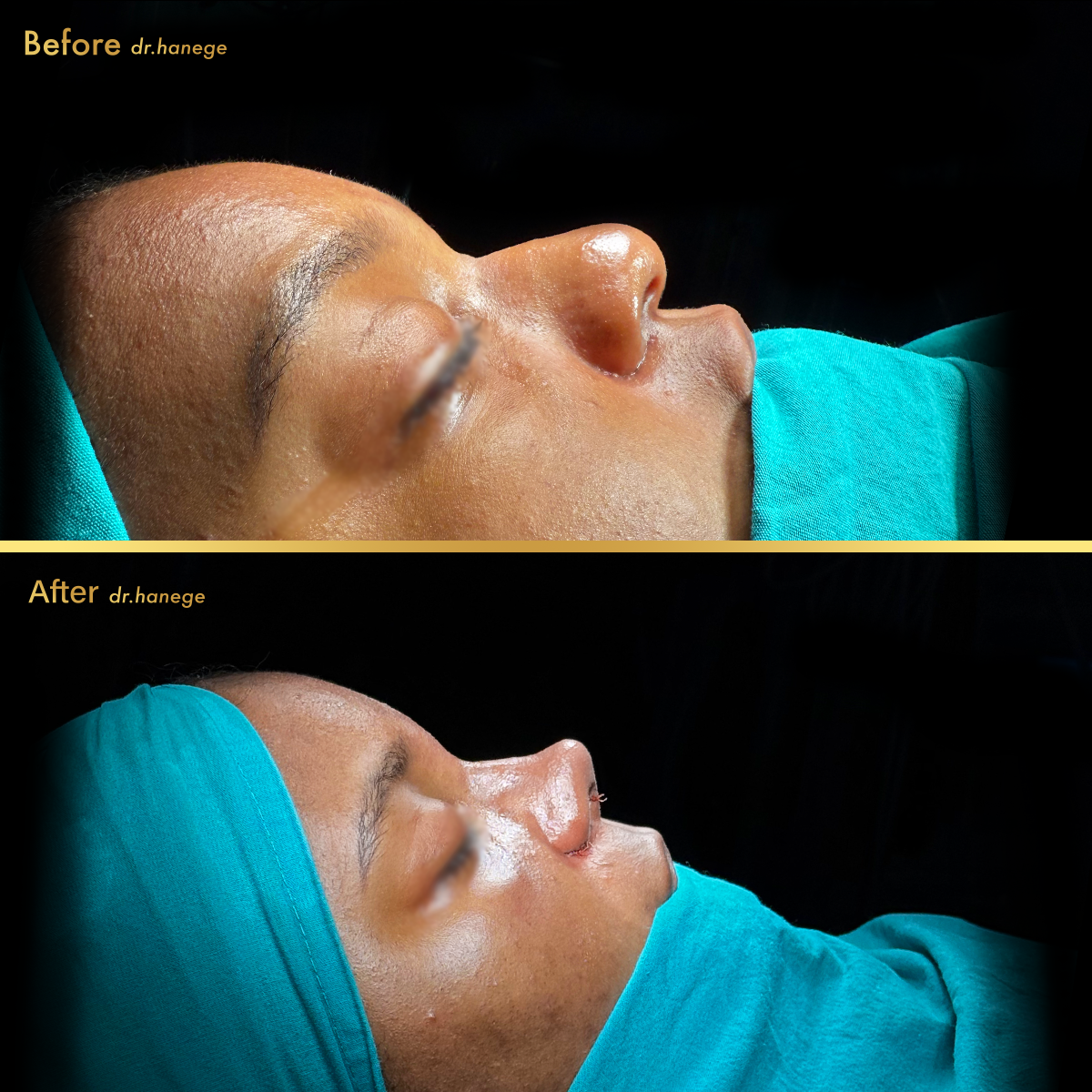
Ethnic rhinoplasty is one of the most advanced and nuanced areas of facial plastic surgery. Among the various factors that influence surgical outcomes, skin thickness plays a critical role, particularly in patients from African, Middle Eastern, Asian, and Latin backgrounds. Thick skin presents unique challenges in rhinoplasty, affecting both the surgical approach and the final aesthetic result.
Understanding how ethnic rhinoplasty for thick skin differs from standard procedures is essential for patients seeking natural, refined, and long-lasting results. In this comprehensive guide, we explore the challenges of thick skin in ethnic rhinoplasty and the most effective solutions used by experienced surgeons.
What Does Thick Skin Mean in Rhinoplasty?
In rhinoplasty, “thick skin” refers to skin that has a higher density of sebaceous (oil) glands and connective tissue. This type of skin is typically less flexible and less transparent than thin skin.
Common characteristics include:
- Reduced definition of underlying structures
- Increased swelling after surgery
- Slower healing process
- Higher tendency for scar tissue formation
While thick skin can make achieving sharp definition more difficult, it also has advantages, such as better coverage of minor imperfections.
Why Thick Skin Is Common in Ethnic Rhinoplasty
Patients undergoing ethnic rhinoplasty often present with thicker nasal skin. This is particularly common in:
- African and Afro-Caribbean patients
- Middle Eastern patients
- Some Asian populations
- Latin and mixed-ethnicity individuals
Because of this, ethnic rhinoplasty surgeons must adapt their techniques to address both structural and skin-related challenges.
Key Challenges of Thick Skin in Ethnic Rhinoplasty
1. Limited Tip Definition
Thick skin can mask the underlying cartilage structure, making it difficult to achieve a well-defined nasal tip.
2. Prolonged Swelling
Swelling tends to last longer in thick-skinned patients, sometimes taking up to 12–18 months to fully resolve.
3. Heavier Skin Envelope
The weight of thick skin can put pressure on the nasal framework, increasing the risk of tip drooping over time.
4. Scar Tissue Formation
There is a higher likelihood of fibrosis (scar tissue), which can affect the final shape.
5. Reduced Visibility of Surgical Refinements
Even precise surgical work may not be immediately visible due to skin thickness.
Effective Solutions in Ethnic Rhinoplasty for Thick Skin
Despite these challenges, experienced surgeons use advanced techniques to achieve excellent results.
1. Strong Structural Support
The most important principle in thick skin rhinoplasty is building a strong nasal framework.
Surgeons often use:
- Septal cartilage grafts
- Ear (conchal) cartilage
- Rib cartilage (in complex cases)
These grafts provide:
- Better tip projection
- Long-term stability
- Resistance against skin weight
2. Tip Refinement Techniques
Specialized tip-plasty techniques are used to enhance definition under thick skin.
These include:
- Cartilage reshaping
- Suturing techniques for better contour
- Tip grafts for projection
The goal is to create a structure strong enough to be visible through thicker skin.
3. Controlled Reduction, Not Over-Resection
In thick skin patients, over-reducing the nose can lead to poor outcomes. Instead of removing too much cartilage, surgeons focus on:
- Maintaining structural integrity
- Avoiding collapse
- Supporting natural contours
A conservative approach ensures better long-term results.
4. Skin Thinning (Selective Cases)
In some cases, surgeons may perform conservative soft tissue thinning to improve definition. However, this must be done carefully to avoid complications.
Skin thinning is not always necessary and depends on:
- Skin quality
- Patient anatomy
- Surgical goals
5. Post-Operative Treatments for Swelling Control
Managing swelling is crucial for thick skin rhinoplasty outcomes.
Post-operative strategies include:
- Steroid injections (to reduce fibrosis)
- Taping techniques
- Lymphatic drainage massage
- Proper head elevation
These methods help speed up recovery and improve final definition.
Recovery Timeline for Thick Skin Rhinoplasty
Patients with thick skin should be prepared for a longer recovery process.
First 2 Weeks
- Swelling and bruising are most visible
- Nasal splint is removed
1–3 Months
- Swelling gradually decreases
- Early shape becomes visible
6–12 Months
- Continued refinement
- Tip definition improves
12–18 Months
- Final results become fully visible
Patience is essential, as results develop gradually.
Importance of Surgeon Experience
Ethnic rhinoplasty for thick skin requires a high level of expertise. Not all surgeons are experienced in managing thick skin challenges.
An ideal surgeon should:
- Specialize in ethnic rhinoplasty
- Have experience with cartilage grafting
- Understand skin behavior
- Use advanced structural techniques
Choosing the right surgeon significantly impacts the outcome.
Setting Realistic Expectations
Patients with thick skin should have realistic expectations regarding:
- Degree of definition achievable
- Timeline for results
- Need for possible touch-ups
While dramatic “sharp” results may be limited, natural and harmonious outcomes are absolutely achievable.
Advantages of Thick Skin in Rhinoplasty
Although often seen as a challenge, thick skin has some benefits:
- Better camouflage of minor imperfections
- Lower visibility of irregularities
- Softer, more natural appearance
These advantages can contribute to aesthetically pleasing results when properly managed.
Revision Rhinoplasty in Thick Skin Patients
Revision cases in thick skin patients are more complex due to:
- Scar tissue formation
- Altered anatomy
- Reduced skin elasticity
Advanced techniques and strong structural support are essential in revision procedures.
Psychological Considerations
Patients with thick skin may experience anxiety due to slower results. Clear communication and proper guidance help:
- Manage expectations
- Reduce stress
- Improve satisfaction
Understanding the process leads to a better overall experience.
Combining Technology with Surgical Expertise
Modern tools such as 3D imaging and simulation help:
- Visualize expected outcomes
- Plan structural support
- Improve communication
However, technology must be combined with surgical expertise for optimal results.
Overcoming Challenges with the Right Approach
Ethnic rhinoplasty for thick skin presents unique challenges, but with the right techniques and expertise, highly successful outcomes are achievable. Strong structural support, careful planning, and effective post-operative care are key to achieving natural, long-lasting results.
While the journey may require more patience, the final outcome—enhanced facial harmony without compromising identity—is well worth the process. With an experienced surgeon and realistic expectations, patients with thick skin can achieve beautifully refined and balanced noses.