

Ethnic rhinoplasty is a highly specialized form of nose surgery designed to enhance the nose while preserving a patient’s cultural identity and natural facial harmony. While much attention is given to surgical techniques and aesthetic outcomes, recovery after ethnic rhinoplasty is equally important—and often different from standard rhinoplasty recovery.
Patients considering ethnic rhinoplasty frequently ask how long recovery takes, what makes it unique, and how factors such as skin thickness and cartilage structure affect healing. In this article, we explore what sets ethnic rhinoplasty recovery apart, what patients can expect at each stage, and how to achieve the best long-term results.
Understanding Ethnic Rhinoplasty
Ethnic rhinoplasty refers to nose surgery performed on patients from diverse ethnic backgrounds, including African, Middle Eastern, Asian, Hispanic, and mixed ethnicities. These noses often have:
- Thicker skin
- Weaker cartilage support
- Broader nasal bases
- Lower nasal bridges
Because of these anatomical differences, both the surgery and the recovery process require a customized approach.
Why Recovery After Ethnic Rhinoplasty Is Different
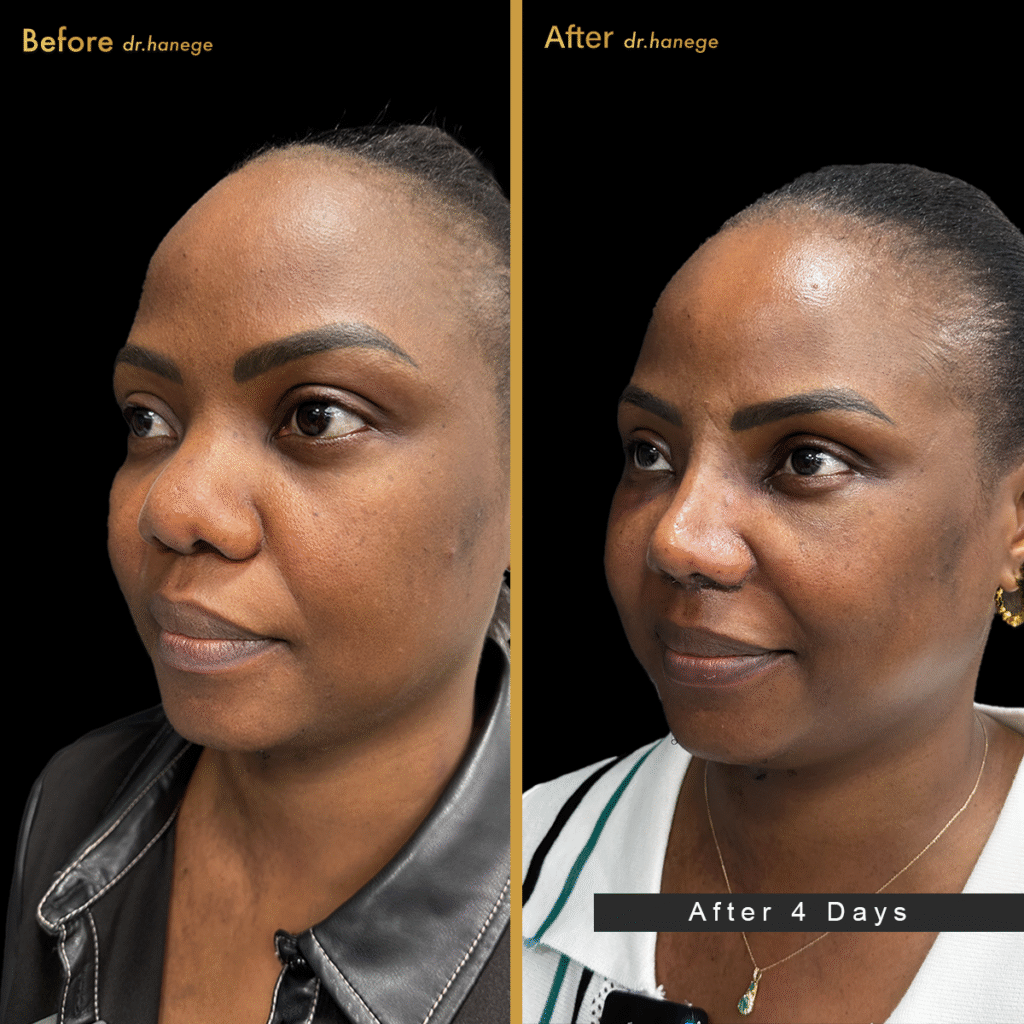
Ethnic rhinoplasty recovery differs primarily due to skin thickness, tissue characteristics, and structural techniques used during surgery. These factors influence swelling, healing time, and the pace at which final results become visible.
Unlike standard rhinoplasty, where changes may appear relatively quickly, ethnic rhinoplasty recovery often involves a more gradual transformation.
The Role of Skin Thickness in Recovery
Skin thickness is one of the most important factors affecting recovery.
Thick Skin
Many ethnic rhinoplasty patients have thicker nasal skin, especially at the tip.
How It Affects Recovery:
- Swelling lasts longer
- Tip definition appears more slowly
- Final results may take 12–18 months
Thick skin requires patience, as refinement continues long after the initial healing phase.
Thin to Medium Skin
Some ethnic patients may have medium skin thickness.
Recovery Characteristics:
- Swelling resolves more quickly
- Definition becomes visible earlier
- Results are easier to assess in the early months
Regardless of skin type, careful post-operative care is essential.
Structural Techniques and Their Impact on Healing
Ethnic rhinoplasty often relies on structural rhinoplasty techniques, which involve building a strong cartilage framework to support the skin.
Why This Matters for Recovery
- Stronger support helps prevent long-term drooping
- Swelling may persist longer due to graft placement
- Healing focuses on stability rather than rapid refinement
Cartilage grafts are commonly taken from the septum or ear and require additional healing time.
Ethnic Rhinoplasty Recovery Timeline
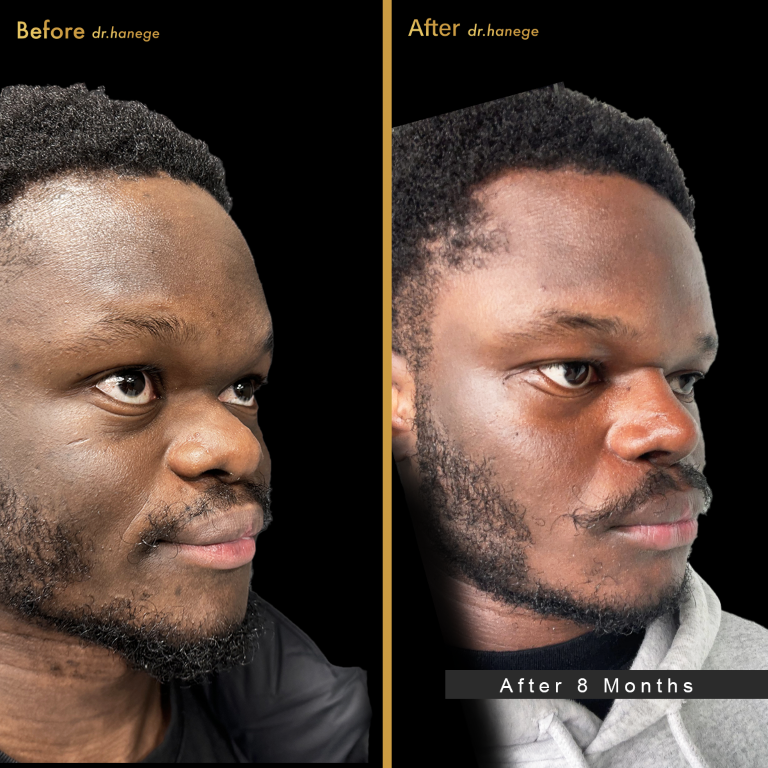
While every patient heals differently, the recovery process generally follows a predictable pattern.
First Week
- Nasal splint and bandages are in place
- Swelling and bruising around the eyes
- Nasal congestion and pressure
Patients are advised to rest and avoid physical activity.
Weeks 2–4
- Splint removal
- Bruising largely resolves
- Swelling begins to decrease
At this stage, the nose may still look swollen, especially at the tip.
Months 1–3
- Gradual improvement in shape
- Breathing becomes easier
- Tip swelling remains noticeable in thick-skinned patients
Most patients can return fully to daily activities.
Months 6–12
- Continued refinement
- Tip definition slowly improves
- Nose feels softer and more natural
This phase is crucial for ethnic rhinoplasty results.
12–18 Months
- Final results become visible
- Swelling fully resolves
- Nasal shape stabilizes
Patients with thick skin often see the most noticeable changes during this period.
Swelling: Why It Lasts Longer in Ethnic Rhinoplasty
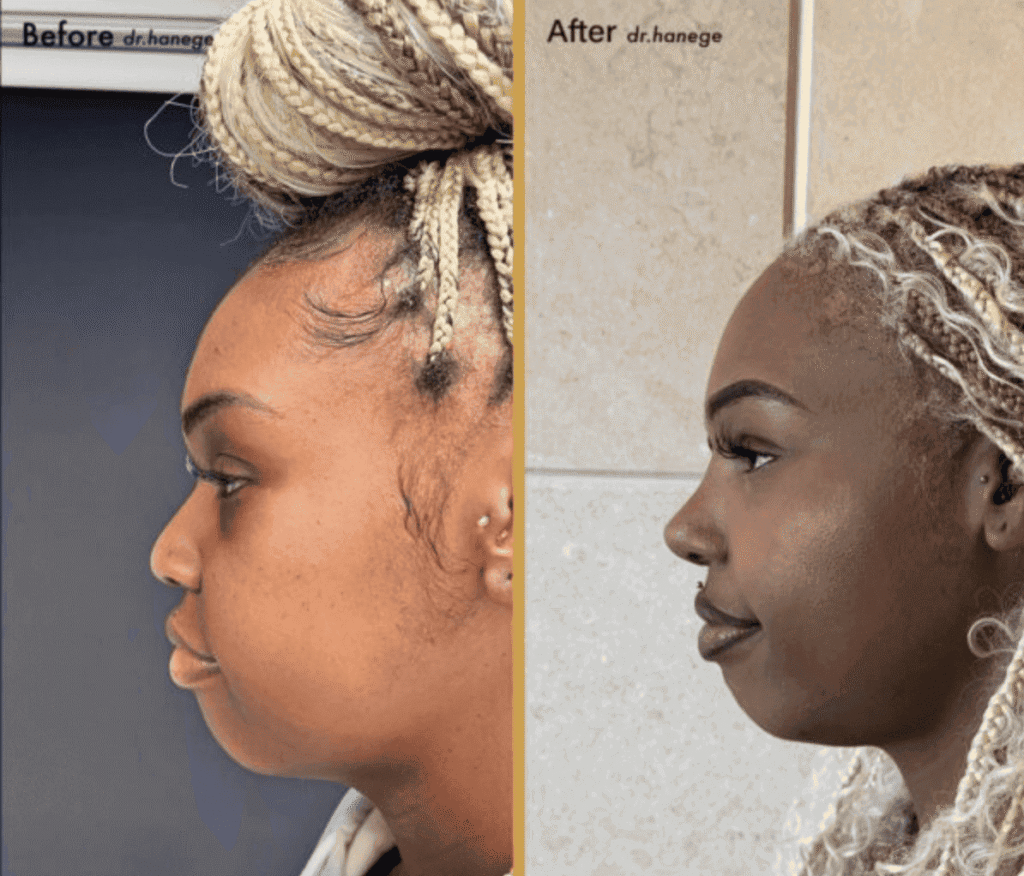
Swelling is a normal part of any rhinoplasty, but it tends to last longer in ethnic rhinoplasty due to:
- Thicker skin
- Higher oil gland density
- More extensive structural work
This prolonged swelling does not indicate a problem—it is part of the natural healing process.
Post-Operative Care: A Key Factor in Recovery
Proper aftercare plays a major role in recovery success.
Essential Post-Op Guidelines
- Keep the head elevated
- Avoid strenuous activity
- Follow medication instructions
- Attend all follow-up appointments
Surgeons may also recommend taping or massage techniques to help manage swelling.
Steroid Injections and Swelling Control
In some cases, surgeons may use low-dose steroid injections to help reduce persistent swelling, especially at the nasal tip.
These injections:
- Are used selectively
- Help control excessive scar tissue
- Improve tip definition over time
They are more commonly used in ethnic rhinoplasty recovery than in standard cases.
Breathing Improvement During Recovery
Many ethnic rhinoplasty procedures also address functional issues such as nasal obstruction.
What to Expect
- Temporary congestion in early weeks
- Gradual improvement as swelling decreases
- Noticeable breathing improvement within 1–3 months
Functional improvements often continue as internal healing progresses.
Scarring and Healing in Ethnic Rhinoplasty
Most ethnic rhinoplasty procedures are performed using the open technique, which involves a small incision at the columella.
Scar Healing
- Incision typically heals well
- Scar becomes barely visible over time
- Proper care minimizes pigmentation changes
Skin type may influence scar visibility, making surgeon experience especially important.
Emotional Aspects of Recovery
The emotional journey during recovery is often underestimated.
Common Feelings
- Anxiety during swelling phase
- Impatience with slow refinement
- Relief and satisfaction as results emerge
Understanding that ethnic rhinoplasty recovery takes time helps reduce stress and improve satisfaction.
How Ethnic Rhinoplasty Recovery Differs from Standard Rhinoplasty
Key Differences
- Longer swelling duration
- Slower tip refinement
- Greater reliance on structural support
- Stronger emphasis on patience and follow-up
These differences are normal and expected.
When to Contact Your Surgeon During Recovery
Patients should contact their surgeon if they experience:
- Severe pain not relieved by medication
- Signs of infection
- Sudden asymmetry or trauma
Regular communication ensures a smooth recovery process.
Tips for a Smooth Ethnic Rhinoplasty Recovery
- Be patient with swelling
- Follow all post-op instructions
- Avoid comparing your recovery to others
- Trust the healing timeline
Recovery is a process, not an instant result.
Conclusion: Ethnic Rhinoplasty Recovery Requires Patience and Expertise
Ethnic rhinoplasty recovery is different because it respects and works with unique nasal anatomy, skin characteristics, and cultural features. While healing may take longer, the results are often more natural, stable, and harmonious when performed by an experienced surgeon.
Understanding what makes ethnic rhinoplasty recovery unique allows patients to set realistic expectations, remain patient, and ultimately enjoy results that enhance both beauty and identity.