


Ethnic rhinoplasty is not just a surgical procedure—it is a deeply personal decision shaped by identity, perception, and culture. In today’s globalized world, beauty standards are constantly evolving, influenced by social media, cultural heritage, and regional aesthetics. For patients considering ethnic rhinoplasty, these factors play a significant role in defining their expectations and desired outcomes.
Unlike traditional rhinoplasty, which historically leaned toward Western ideals, modern ethnic rhinoplasty emphasizes individuality, balance, and cultural preservation. In this article, we explore how cultural beauty standards influence ethnic rhinoplasty decisions and what patients should consider before undergoing surgery.
Understanding Ethnic Rhinoplasty in a Cultural Context
Ethnic rhinoplasty refers to nose surgery tailored to patients from diverse ethnic backgrounds, including African, Asian, Middle Eastern, and Hispanic populations. These procedures are designed to:
- Enhance facial harmony
- Preserve ethnic identity
- Respect cultural aesthetics
The key difference lies in the intention: rather than conforming to a universal standard, ethnic rhinoplasty celebrates diversity while refining specific features.
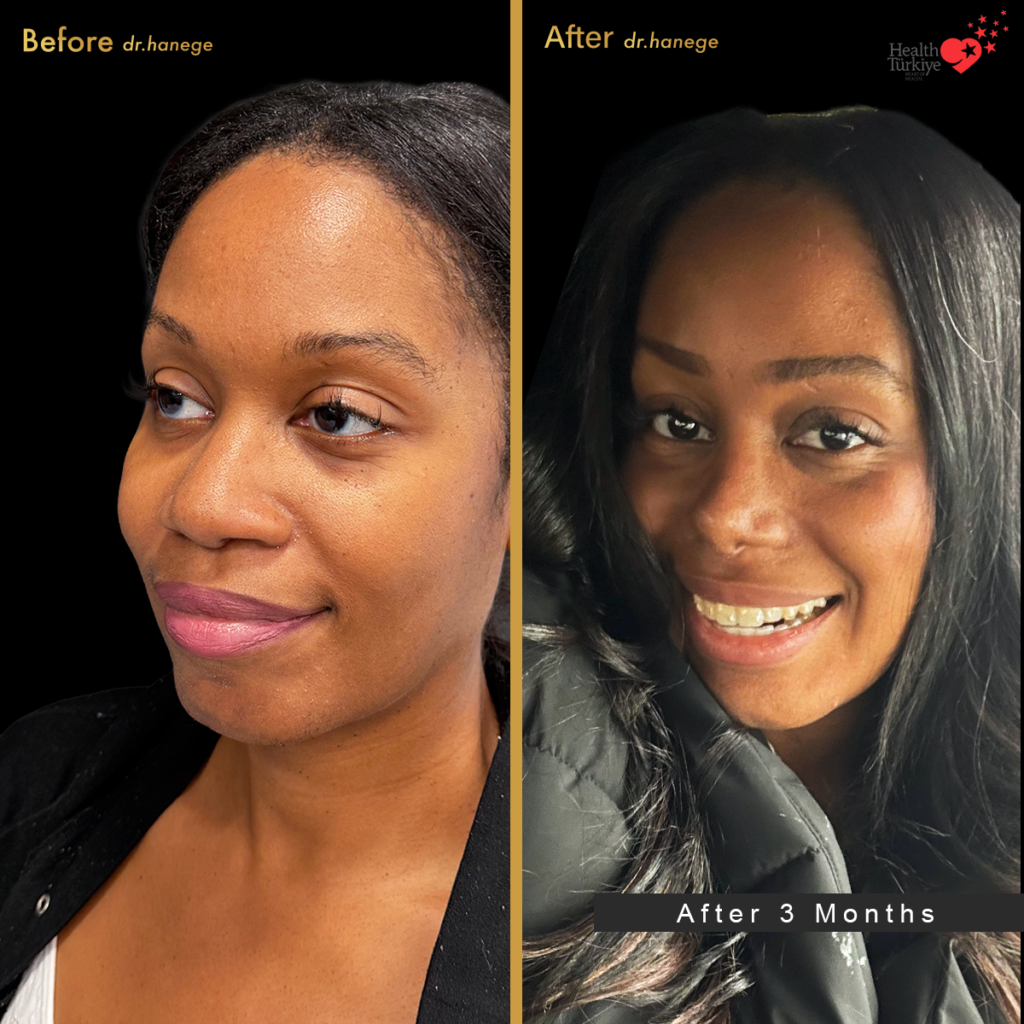
Why Cultural Beauty Standards Matter
Beauty is not universal—it is shaped by culture, history, and societal values. What is considered attractive in one region may differ significantly in another.
Examples of Cultural Differences
- In some cultures, a higher nasal bridge is preferred
- In others, softer, more rounded features are valued
- Certain communities prioritize strong facial identity over refinement
These differences influence how patients perceive their own features and what they hope to achieve through rhinoplasty.
Insight #1: Globalization Is Blending Beauty Standards
With the rise of social media and global communication, beauty standards are becoming more interconnected.
Impact on Patients
- Exposure to international aesthetics
- Increased desire for subtle refinement
- Greater awareness of surgical options
However, this can also create pressure to conform to unrealistic or non-native beauty ideals.
Insight #2: Social Media Plays a Major Role
Platforms like Instagram and TikTok have transformed how people perceive beauty.
Effects on Rhinoplasty Decisions
- Increased demand for “perfect” noses
- Influence of influencers and celebrities
- Unrealistic expectations from edited images
Patients should approach these influences critically and prioritize realistic outcomes.

Insight #3: Preserving Identity Is Becoming a Priority
Modern patients are increasingly seeking results that enhance their appearance without erasing their cultural identity.
Shift in Patient Goals
- From transformation to refinement
- From Westernization to personalization
- From uniform beauty to individuality
This shift has driven advancements in ethnic rhinoplasty techniques.
Insight #4: Cultural Sensitivity in Surgical Planning
Surgeons must understand not only anatomy but also cultural preferences.
Why This Matters
- Avoids over-correction
- Maintains natural appearance
- Respects patient identity
A culturally aware surgeon can tailor the procedure to align with the patient’s background and expectations.
Insight #5: Family and Community Influence Decisions
In many cultures, family and community opinions play a significant role in cosmetic decisions.
Common Considerations
- Desire to maintain recognizable features
- Avoiding drastic changes
- Cultural acceptance of cosmetic surgery
Patients may balance personal goals with social expectations.
Insight #6: Gender-Specific Cultural Expectations
Cultural standards often define different aesthetic ideals for men and women.
Examples
- Men may prefer stronger, more prominent nasal features
- Women may seek softer, more refined contours
Ethnic rhinoplasty must consider both gender and cultural context.
Insight #7: Regional Trends in Ethnic Rhinoplasty
Different regions have distinct aesthetic preferences.
Examples
- Middle Eastern patients may seek dorsal refinement
- Asian patients often request bridge augmentation
- African descent patients may focus on tip definition and nostril refinement
Understanding these trends helps surgeons provide culturally appropriate results.

Insight #8: The Importance of Personalized Aesthetic Goals
No two patients share the same vision of beauty.
Key Factors in Personalization
- Facial proportions
- Skin thickness
- Cultural background
- Personal preferences
The best results come from a customized approach rather than a standardized template.
Balancing Cultural Identity and Modern Aesthetics
One of the biggest challenges in ethnic rhinoplasty is balancing tradition with modern beauty trends.
Successful Outcomes Achieve
- Natural enhancement
- Cultural preservation
- Facial harmony
Patients should feel like an improved version of themselves—not a different person.
The Role of Surgeon Expertise in Cultural Understanding
Choosing a surgeon with experience in ethnic rhinoplasty is essential.
What to Look For
- Experience with diverse patient populations
- Sensitivity to cultural differences
- Ability to customize techniques
A skilled surgeon acts as both a technician and an artist.
Setting Realistic Expectations
Cultural influences can sometimes create unrealistic expectations.
Patients Should Understand
- Not all features can be dramatically changed
- Harmony is more important than perfection
- Results take time to develop
Open communication with the surgeon helps align expectations with achievable outcomes.
Ethical Considerations in Ethnic Rhinoplasty
Ethnic rhinoplasty raises important ethical questions about identity and beauty.
Ethical Approach Includes
- Respecting patient autonomy
- Avoiding cultural erasure
- Promoting realistic beauty standards
Surgeons have a responsibility to guide patients thoughtfully.
Common Mistakes Influenced by Cultural Misconceptions
- Wanting a nose that does not match facial features
- Over-reliance on celebrity images
- Ignoring anatomical limitations
- Choosing surgeons based solely on trends
Education helps prevent these issues.
Cultural Awareness Leads to Better Rhinoplasty Decisions
Cultural beauty standards play a powerful role in shaping ethnic rhinoplasty decisions. However, the most successful outcomes come from balancing these influences with medical expertise, realistic expectations, and personal identity.
Ethnic rhinoplasty is not about changing who you are—it is about enhancing your natural beauty in a way that respects your heritage and individuality.
By understanding the impact of cultural aesthetics, patients can make informed decisions and achieve results that are both meaningful and timeless.