



Ethnic rhinoplasty is a highly specialized form of nose surgery that requires advanced surgical planning, deep anatomical knowledge, and cultural sensitivity. One of the most important decisions in this process is choosing between the open and closed rhinoplasty techniques. While both approaches aim to improve nasal aesthetics and function, their application in ethnic rhinoplasty differs significantly from standard nose surgery.
In this article, we explore open vs. closed techniques in ethnic rhinoplasty, highlighting their differences, advantages, limitations, and how surgeons determine the most suitable approach for each patient.
What Is Ethnic Rhinoplasty?
Ethnic rhinoplasty is designed for patients from diverse ethnic backgrounds, including African, Asian, Middle Eastern, Hispanic, and mixed ethnicities. Unlike traditional rhinoplasty, its primary goal is to:
- Preserve ethnic identity
- Enhance facial harmony
- Respect unique nasal anatomy
- Avoid over-Westernization
Choosing the right surgical technique plays a crucial role in achieving these goals.
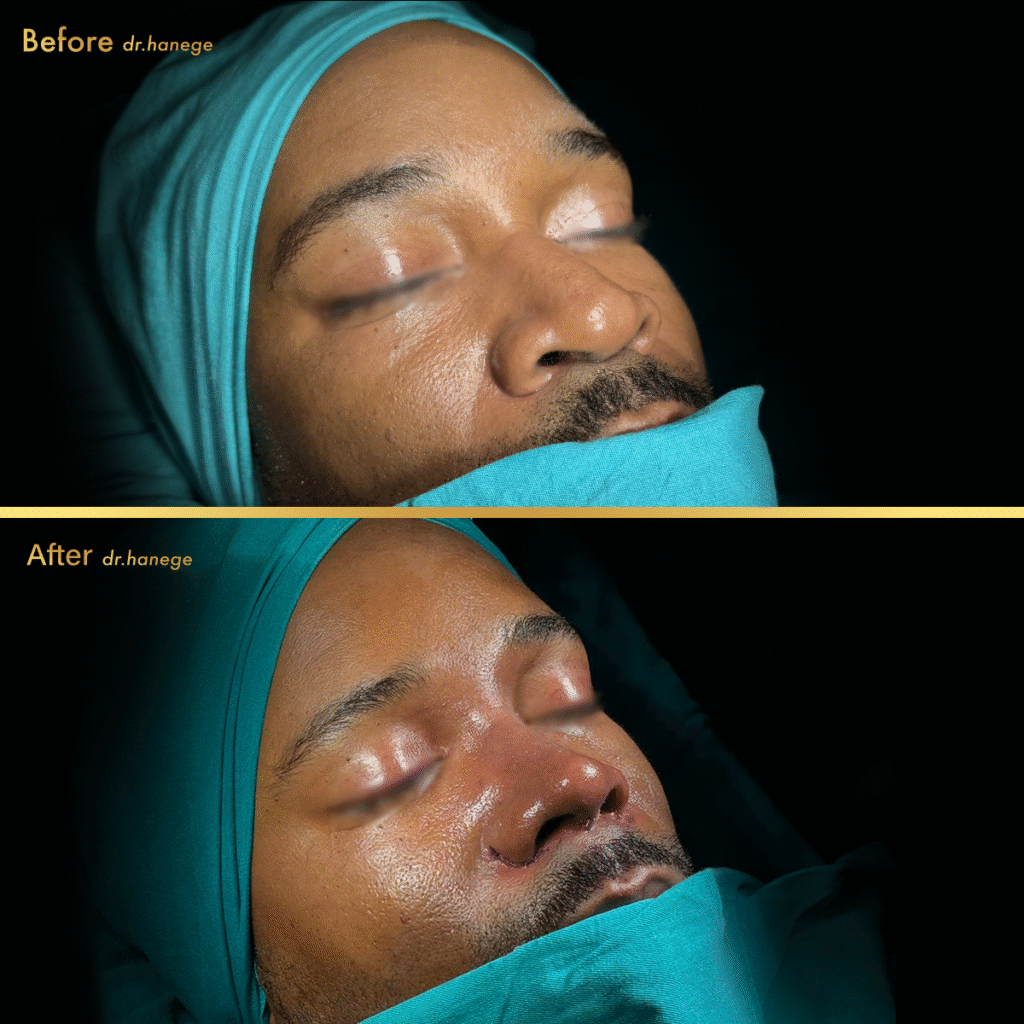
Understanding Rhinoplasty Techniques: Open vs. Closed
Open Rhinoplasty
Open rhinoplasty involves a small incision across the columella (the tissue between the nostrils). This allows the surgeon to lift the nasal skin and have full visibility of the nasal framework.
Closed Rhinoplasty
Closed rhinoplasty is performed entirely through incisions inside the nostrils, leaving no visible external scars. The nasal skin is not fully lifted, and the surgeon works through limited access.
Both techniques can be used in ethnic rhinoplasty, but their suitability depends on anatomy, goals, and surgical complexity.
Why Technique Selection Matters More in Ethnic Rhinoplasty
Ethnic noses often present unique characteristics, such as:
- Thicker nasal skin
- Weaker cartilage support
- Lower nasal bridge
- Wider nasal base
- Softer tip definition
Because of these factors, the surgical approach must allow precise structural modifications while minimizing trauma and preserving natural features.
Open Technique in Ethnic Rhinoplasty
Advantages of the Open Approach
1. Enhanced Visibility and Precision
The open technique provides full access to the nasal structures, allowing surgeons to:
- Precisely reshape cartilage
- Place grafts accurately
- Correct asymmetries effectively
This is particularly important in ethnic rhinoplasty, where structural reinforcement is often required.
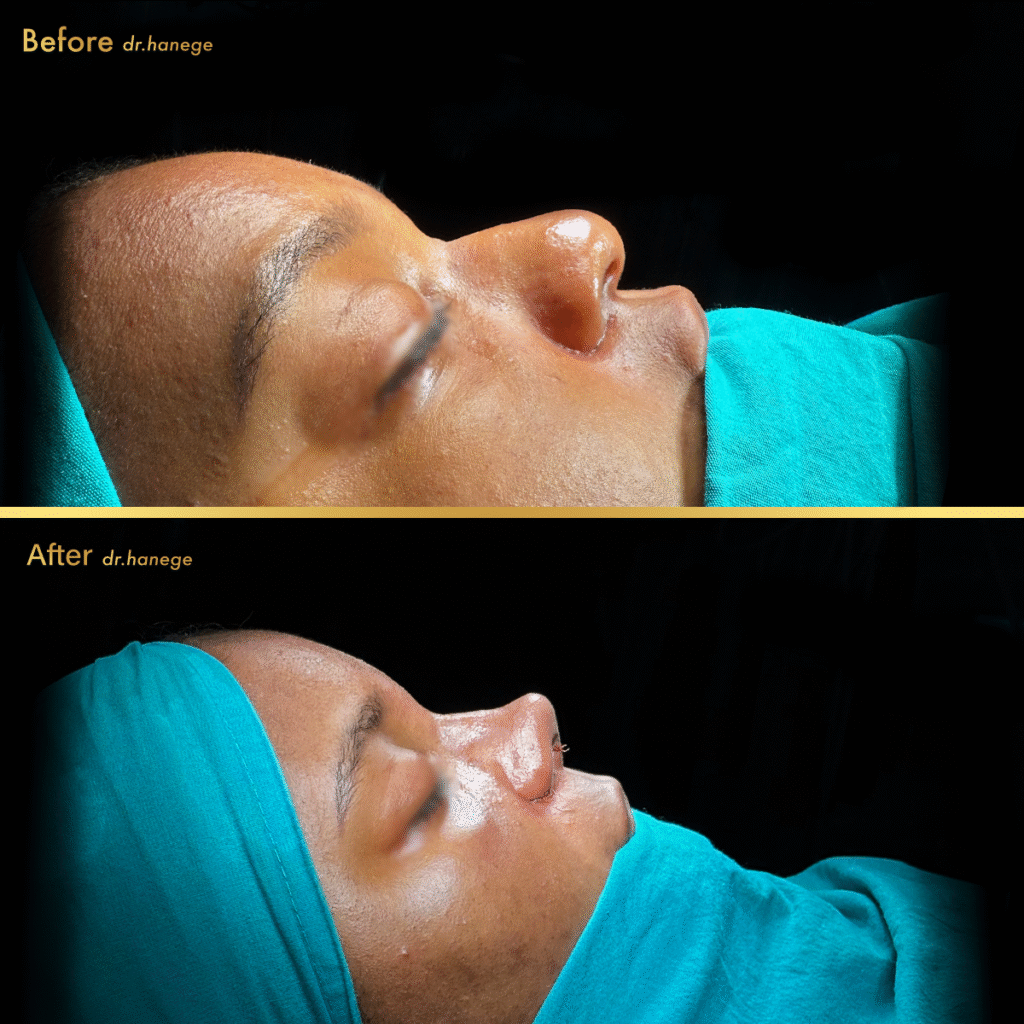
2. Ideal for Complex Anatomies
Ethnic rhinoplasty frequently involves:
- Tip projection enhancement
- Structural grafting
- Revision cases
The open approach allows surgeons to address these complexities with greater control.
3. Better Graft Placement
Cartilage grafts (often from the septum, ear, or rib) are commonly used in ethnic rhinoplasty. The open technique enables:
- Secure graft positioning
- Symmetrical shaping
- Long-term stability
Disadvantages of the Open Technique
- Slightly longer surgery time
- Temporary columellar scar (usually minimal and barely visible)
- Longer initial swelling period
However, in experienced hands, these disadvantages are outweighed by the benefits.
Closed Technique in Ethnic Rhinoplasty
Advantages of the Closed Approach
1. No External Scar
All incisions are internal, making the closed technique appealing for patients concerned about visible scarring.
2. Faster Initial Recovery
Closed rhinoplasty often results in:
- Less immediate swelling
- Shorter operative time
- Faster early healing
3. Suitable for Minor Refinements
The closed technique can be effective for:
- Minor bridge smoothing
- Subtle contour adjustments
- Patients with strong existing nasal structure

Limitations of the Closed Technique in Ethnic Rhinoplasty
Due to limited visibility, the closed approach may not be ideal for:
- Thick skin cases
- Significant tip work
- Structural grafting
- Major reshaping or revisions
In ethnic rhinoplasty, these limitations are more pronounced.
Open vs. Closed: Key Differences at a Glance
| Feature | Open Technique | Closed Technique |
|---|---|---|
| Visibility | Full | Limited |
| External Scar | Minimal (columella) | None |
| Graft Placement | Excellent | Limited |
| Tip Refinement | High precision | Moderate |
| Suitable for Complex Cases | Yes | No |
| Recovery Speed | Slightly longer | Faster initially |
Which Technique Is Better for Ethnic Rhinoplasty?
There is no universal answer. The best technique depends on several factors:
1. Skin Thickness
Patients with thicker skin benefit more from the open approach, as it allows stronger structural support beneath the skin.
2. Degree of Change Needed
If significant projection, narrowing, or reshaping is required, the open technique is usually preferred.
3. Primary vs. Revision Surgery
Revision ethnic rhinoplasty almost always requires an open approach due to scar tissue and altered anatomy.
4. Surgeon Expertise
An experienced ethnic rhinoplasty surgeon may use a hybrid or modified approach tailored to the patient’s needs.
Impact on Before-and-After Results
The chosen technique significantly affects the final aesthetic outcome.
Open Technique Results
- More defined tip
- Better long-term stability
- Greater structural improvement
Closed Technique Results
- Subtle changes
- Natural refinements
- Limited dramatic transformation
For ethnic rhinoplasty, natural-looking enhancement is prioritized over drastic change.
Recovery and Healing: Open vs. Closed
Swelling and Healing Timeline
- Closed technique: Faster early recovery
- Open technique: Longer refinement period, especially in thick skin
Final results for both techniques typically appear within 12–18 months, particularly in ethnic rhinoplasty cases.
Common Myths About Open and Closed Techniques
Myth 1: Closed rhinoplasty is always better
Not true. Limited access can compromise results in complex ethnic cases.
Myth 2: Open rhinoplasty leaves noticeable scars
In most cases, the columellar scar is nearly invisible after healing.
Myth 3: One technique fits all
Ethnic rhinoplasty requires individualized planning, not a one-size-fits-all approach.
The Role of Surgeon Experience
The success of either technique depends more on the surgeon’s expertise than the method itself. A skilled ethnic rhinoplasty surgeon understands:
- Ethnic anatomy variations
- Cultural aesthetics
- Structural reinforcement techniques
- Long-term outcome stability
Reviewing real patient results and surgeon experience is critical.
Why Turkey and Istanbul Lead in Ethnic Rhinoplasty Techniques
Turkey, especially Istanbul, has become a global center for ethnic rhinoplasty due to:
- High surgical volume
- Advanced open-structure techniques
- International patient experience
- Cost-effective yet high-quality care
Surgeons in Turkey are known for selecting the most appropriate technique rather than defaulting to one method.
Open vs. Closed Techniques in Ethnic Rhinoplasty
Choosing between open and closed techniques in ethnic rhinoplasty is a strategic decision that directly impacts results, safety, and patient satisfaction. While closed rhinoplasty may be suitable for minor refinements, the open technique is often preferred for ethnic rhinoplasty due to its precision, versatility, and ability to handle complex anatomical needs.
Ultimately, the best results come from a personalized approach led by an experienced ethnic rhinoplasty specialist who prioritizes identity, balance, and long-term outcomes.