


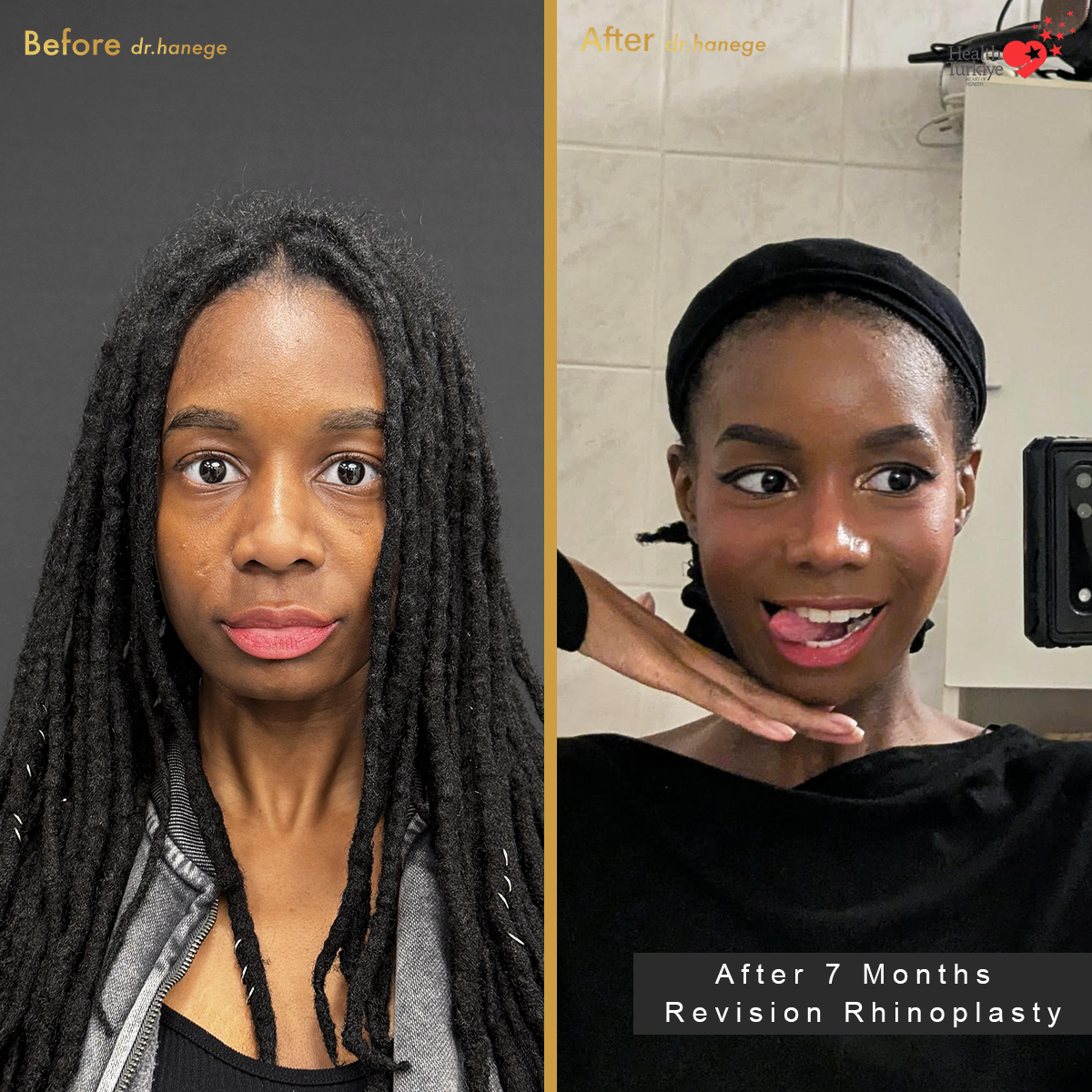
Ethnic rhinoplasty is one of the most complex and nuanced areas of facial plastic surgery. Unlike standard rhinoplasty procedures, ethnic rhinoplasty must balance aesthetic improvement with the preservation of cultural identity. In recent years, 3D imaging and simulation technology has become a powerful tool in ethnic rhinoplasty planning, allowing surgeons and patients to communicate more clearly, plan more accurately, and achieve more predictable results.
This advanced technology plays a critical role in understanding facial harmony, managing expectations, and respecting ethnic characteristics. In this article, we explore how 3D imaging and simulation enhance ethnic rhinoplasty planning, why they are especially important for ethnically diverse patients, and how they contribute to safer and more satisfying outcomes.
Understanding Ethnic Rhinoplasty Planning
Ethnic rhinoplasty refers to nose surgery performed on patients of non-Caucasian backgrounds, including African, Asian, Middle Eastern, Hispanic, and mixed ethnicities. Each ethnic group presents unique nasal features such as skin thickness, cartilage strength, nasal bridge height, nostril width, and tip definition.
Because of these anatomical variations, ethnic rhinoplasty planning requires:
- Individualized analysis
- Cultural awareness
- Precise surgical strategy
This is where 3D imaging and simulation become invaluable.
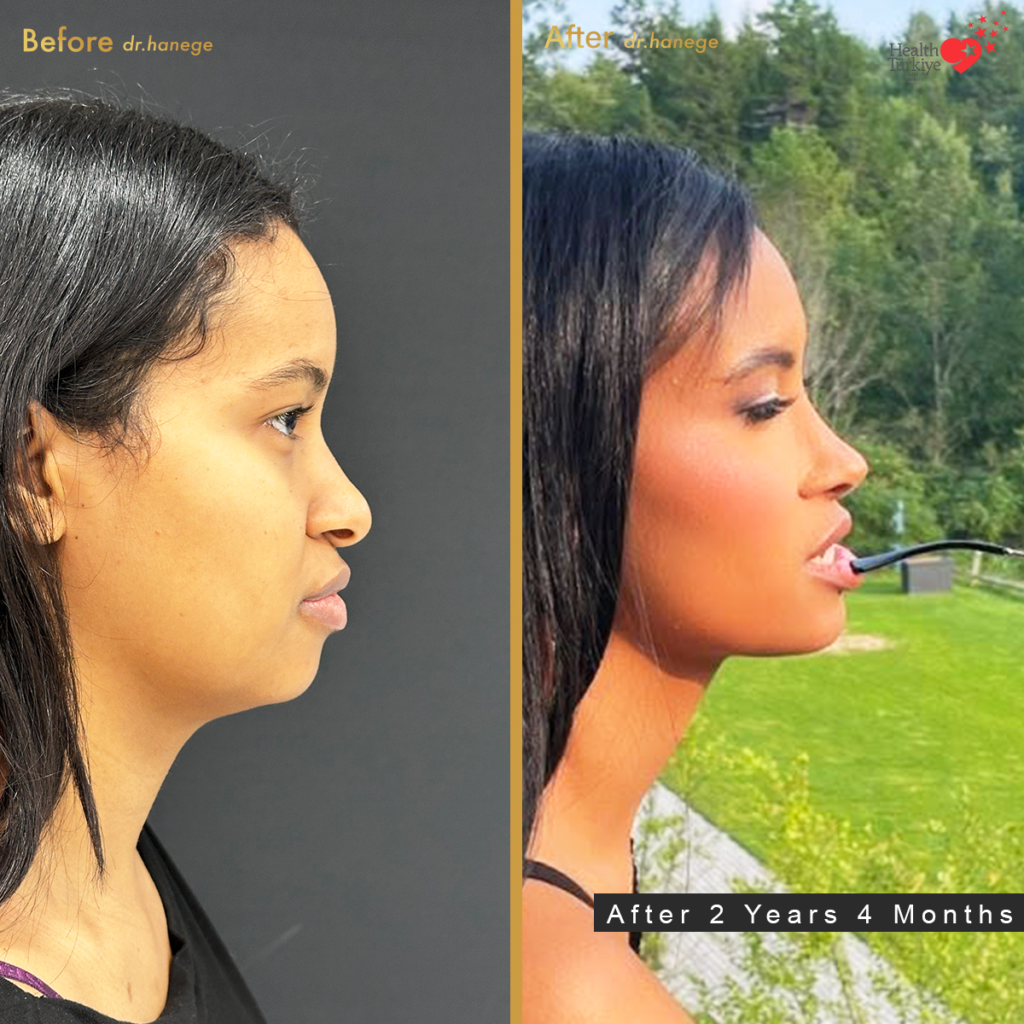
What Is 3D Imaging in Rhinoplasty?
3D imaging uses high-resolution cameras and specialized software to create a three-dimensional digital model of a patient’s face and nose. Unlike traditional two-dimensional photographs, 3D imaging captures depth, contour, and spatial relationships.
In ethnic rhinoplasty, 3D imaging allows surgeons to:
- Analyze facial proportions from every angle
- Evaluate ethnic nasal characteristics accurately
- Assess symmetry and balance
- Design a customized surgical plan
This technology forms the foundation for advanced simulation and patient-centered planning.
What Is 3D Simulation in Ethnic Rhinoplasty?
3D simulation is the process of digitally modifying the 3D facial model to demonstrate potential surgical outcomes. During consultation, surgeons can show patients realistic visual projections of how their nose may look after ethnic rhinoplasty.
Simulation is not about guaranteeing results—it is about visual communication and expectation management.
Why 3D Imaging Is Especially Important in Ethnic Rhinoplasty
Ethnic rhinoplasty demands a higher level of precision because even small changes can significantly impact cultural identity. 3D imaging helps surgeons avoid generic or “Westernized” outcomes by respecting ethnic anatomy.
Key benefits include:
- Preservation of ethnic traits
- Accurate assessment of thick skin behavior
- Proper planning for cartilage grafting
- Better understanding of nasal support structures
This level of detail is difficult to achieve with standard photography alone.
Enhancing Surgeon–Patient Communication
One of the greatest advantages of 3D imaging and simulation is improved communication. Many ethnic rhinoplasty patients worry about losing their identity or ending up with an unnatural nose.
3D simulation helps:
- Clarify patient expectations
- Align aesthetic goals
- Reduce misunderstandings
- Build trust
Patients can actively participate in the planning process, which increases confidence and satisfaction.
Managing Expectations in Ethnic Rhinoplasty
Expectation management is critical in ethnic rhinoplasty. Due to thick skin, cartilage limitations, or anatomical constraints, not every desired outcome is surgically achievable.
3D simulation allows surgeons to:
- Demonstrate realistic possibilities
- Explain surgical limitations
- Avoid overpromising results
- Prevent postoperative disappointment
This transparency is essential for ethical and successful outcomes.

Preserving Cultural Identity Through Digital Planning
Cultural sensitivity is a cornerstone of ethnic rhinoplasty. 3D imaging supports this by enabling surgeons to design noses that harmonize with the patient’s overall facial features and cultural background.
Rather than applying a standard nose shape, surgeons can:
- Maintain ethnic nasal width
- Respect bridge height preferences
- Preserve natural tip characteristics
- Avoid excessive reduction
The result is a refined yet authentic appearance.
Customized Surgical Strategies with 3D Technology
Every ethnic rhinoplasty requires a tailored approach. 3D planning helps surgeons decide on:
- Open vs. closed rhinoplasty techniques
- Cartilage graft placement
- Tip support methods
- Augmentation vs. reduction
This customization improves surgical accuracy and long-term stability.
The Role of 3D Imaging in Revision Ethnic Rhinoplasty
Revision ethnic rhinoplasty is often more challenging than primary surgery. Many revision patients seek correction after losing ethnic balance in a previous operation.
3D imaging helps by:
- Identifying structural deficiencies
- Visualizing asymmetries
- Planning reconstruction
- Communicating realistic revision goals
This is especially valuable in restoring cultural harmony.
Psychological Benefits for Patients
Seeing a realistic preview of potential results can reduce anxiety and uncertainty. For ethnic rhinoplasty patients, this reassurance is particularly important due to emotional connections to identity and heritage.
3D simulation provides:
- Emotional comfort
- Increased confidence
- Better decision-making
- Stronger surgeon–patient trust
Patients feel respected and understood.
Limitations of 3D Simulation
While powerful, 3D imaging and simulation have limitations. Surgeons must clearly explain that:
- Simulations are not guarantees
- Healing varies between individuals
- Skin thickness affects final results
- Swelling can alter early outcomes
Responsible use of 3D technology enhances trust rather than creating unrealistic expectations.
Surgeon Experience Still Matters Most
Technology does not replace expertise. Even with advanced 3D imaging, successful ethnic rhinoplasty depends on:
- Surgeon experience
- Cultural awareness
- Technical skill
- Artistic vision
3D tools are most effective when used by surgeons who specialize in ethnic rhinoplasty.
Global Trends and Medical Tourism
As medical tourism grows, especially in countries like Turkey, clinics increasingly rely on 3D imaging to communicate with international patients before they travel.
This allows:
- Virtual consultations
- Preoperative planning
- Clear visual explanations
- Improved patient confidence
For ethnic rhinoplasty patients traveling abroad, 3D simulation is a major advantage.
The Future of Ethnic Rhinoplasty Planning
The future of ethnic rhinoplasty lies in technology-driven personalization. Advancements such as AI-assisted analysis, improved simulation accuracy, and virtual reality consultations are already shaping the field.
3D imaging will continue to:
- Enhance precision
- Improve outcomes
- Promote cultural respect
- Set new standards in patient care
Technology Supporting Cultural Sensitivity
3D imaging and simulation play a transformative role in ethnic rhinoplasty planning. By improving communication, enhancing precision, and respecting cultural identity, this technology bridges the gap between patient expectations and surgical reality.
When combined with an experienced, culturally sensitive surgeon, 3D imaging helps ensure that ethnic rhinoplasty results are natural, harmonious, and deeply personal—enhancing beauty without compromising identity.