



Rhinoplasty, commonly known as a nose job, is one of the most complex and personalized procedures in aesthetic surgery. However, not all rhinoplasty procedures are the same. Ethnic rhinoplasty and standard nose surgery differ significantly in terms of goals, techniques, and outcomes.
Understanding these differences is essential for patients seeking natural results that align with their facial features and cultural identity. In this article, we explore the 7 key differences between ethnic rhinoplasty and standard rhinoplasty, helping you make a more informed decision about your nose surgery.
What Is Standard Rhinoplasty?
Standard rhinoplasty traditionally refers to nose reshaping procedures performed primarily on patients with Caucasian nasal features. The focus is often on reducing size, refining the nasal bridge, and creating a more “ideal” or symmetrical appearance based on widely accepted aesthetic standards.
Common goals include:
- Removing a dorsal hump
- Narrowing the nasal bridge
- Refining the nasal tip
- Improving overall symmetry
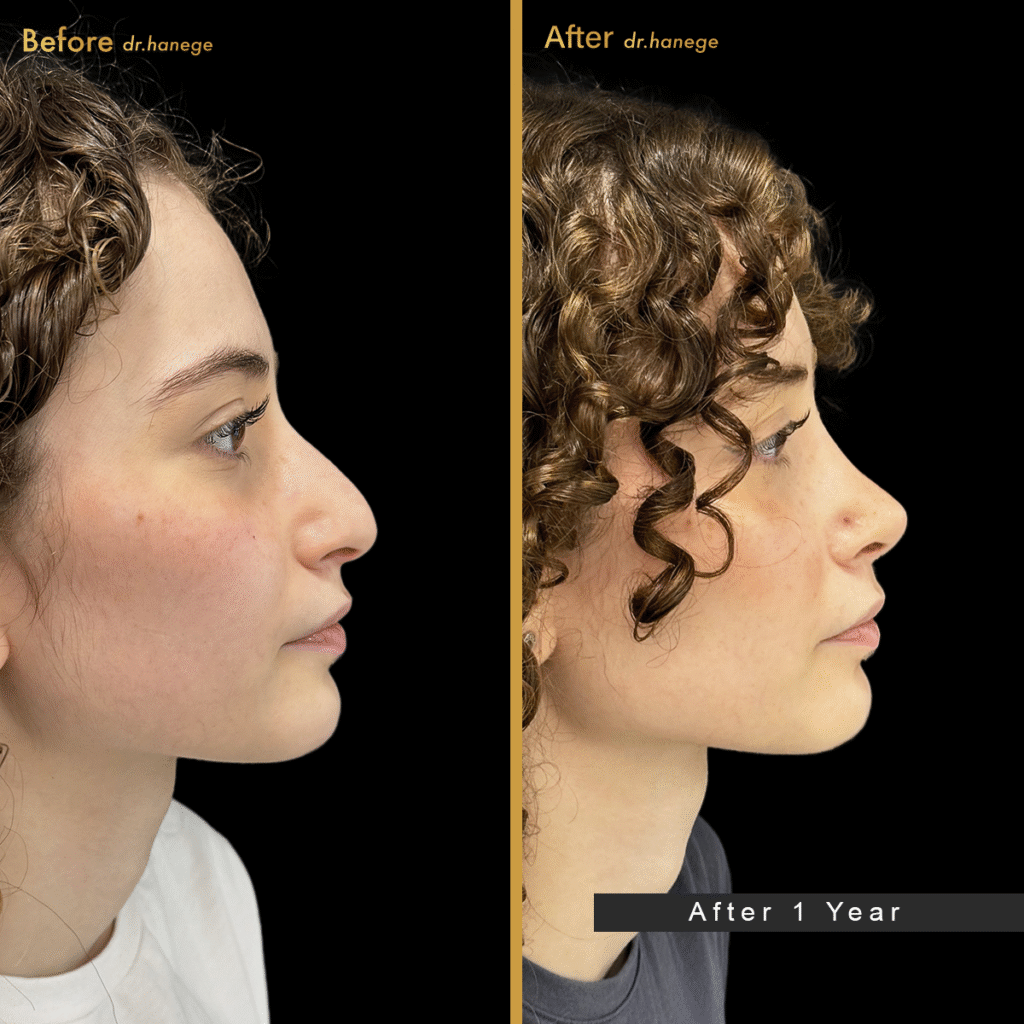
What Is Ethnic Rhinoplasty?
Ethnic rhinoplasty is a specialized approach designed for patients from diverse ethnic backgrounds, including African, Asian, Middle Eastern, and Latin origins. The goal is to enhance the nose while preserving the patient’s ethnic identity and natural characteristics.
Rather than applying universal beauty standards, ethnic rhinoplasty emphasizes personalization, cultural sensitivity, and anatomical diversity.

1. Aesthetic Goals: Enhancement vs. Standardization
The most important difference lies in the aesthetic philosophy.
- Standard rhinoplasty often aims to create a universally “ideal” nose shape.
- Ethnic rhinoplasty focuses on enhancing natural features without erasing identity.
Ethnic rhinoplasty prioritizes facial harmony and cultural authenticity, ensuring that the nose fits the patient’s overall appearance rather than conforming to a generic standard.
2. Approach to Nasal Structure
Nasal anatomy varies significantly across ethnic groups, which directly affects surgical planning.
- Standard rhinoplasty often involves reduction techniques (removing bone and cartilage).
- Ethnic rhinoplasty frequently requires augmentation and structural support.
For example:
- Patients with lower nasal bridges may need augmentation
- Those with weaker cartilage may require grafting
This makes ethnic rhinoplasty more structurally focused.

3. Skin Thickness and Its Impact
Skin thickness plays a crucial role in rhinoplasty outcomes.
- Thinner skin (common in standard rhinoplasty patients) allows for more visible definition.
- Thicker skin (common in ethnic rhinoplasty) requires stronger structural support to achieve shape.
Ethnic rhinoplasty surgeons must carefully plan cartilage grafting and tip support to ensure long-lasting results under thicker skin.
4. Cultural Sensitivity and Personal Identity
Cultural awareness is a defining feature of ethnic rhinoplasty.
- Standard rhinoplasty may follow widely accepted aesthetic norms.
- Ethnic rhinoplasty requires understanding the patient’s cultural background and preferences.
Patients often want subtle refinement rather than dramatic transformation. A culturally sensitive approach ensures that results feel authentic and respectful.
5. Surgical Techniques and Complexity
Ethnic rhinoplasty is often more technically demanding due to anatomical diversity and structural challenges.
Common techniques in ethnic rhinoplasty include:
- Cartilage grafting (septal, ear, or rib)
- Structural reinforcement
- Nasal base modification
Standard rhinoplasty may rely more on reshaping existing structures, while ethnic rhinoplasty often involves building and supporting them.

6. Risk of Overcorrection
One of the biggest risks in rhinoplasty is overcorrection.
- In standard rhinoplasty, over-reduction can lead to an unnatural or collapsed appearance.
- In ethnic rhinoplasty, overcorrection can result in loss of ethnic identity and facial imbalance.
Ethnic rhinoplasty requires a conservative, balanced approach to avoid these outcomes.
7. Expected Results and Patient Satisfaction
Patient expectations differ significantly between the two approaches.
- Standard rhinoplasty patients often seek a more dramatic transformation.
- Ethnic rhinoplasty patients typically prefer natural, subtle improvements.
When performed correctly, ethnic rhinoplasty leads to:
- Preserved identity
- Improved facial harmony
- High long-term satisfaction
Why Choosing the Right Surgeon Matters
Because of these differences, choosing a surgeon experienced in ethnic rhinoplasty is critical. Not all rhinoplasty surgeons have the expertise required to handle diverse nasal anatomies.
An experienced surgeon will:
- Understand ethnic variations
- Use appropriate techniques
- Respect cultural identity
- Deliver natural-looking results
Functional Considerations in Both Procedures
Both ethnic and standard rhinoplasty can address functional issues such as:
- Deviated septum
- Breathing problems
- Nasal obstruction
However, in ethnic rhinoplasty, maintaining structural integrity is especially important to preserve airflow.
Recovery Differences
Recovery timelines are similar for both procedures, but some variations exist.
- Patients with thicker skin may experience longer swelling
- Structural grafting may extend healing time
- Final results in ethnic rhinoplasty may take longer to fully appear
Despite this, pain levels and downtime are generally comparable.
Common Misconceptions
“Ethnic rhinoplasty completely changes your identity”
False. The goal is enhancement, not transformation.
“Standard rhinoplasty works for everyone”
False. Each nose requires a personalized approach.
“Ethnic rhinoplasty is only cosmetic”
False. Functional improvements are often included.
Who Is a Candidate for Ethnic Rhinoplasty?
You may be a good candidate if you:
- Want to refine your nose without losing ethnic features
- Have thick skin or weak cartilage
- Seek both aesthetic and functional improvement
- Prefer natural-looking results
The Role of Modern Technology
Advanced tools such as 3D imaging and simulation help both surgeons and patients visualize outcomes and plan procedures more accurately. This is especially useful in ethnic rhinoplasty, where subtle changes have significant impact.
Understanding the Difference Leads to Better Results
Ethnic rhinoplasty and standard nose surgery are fundamentally different in philosophy, technique, and outcome. While standard rhinoplasty focuses on universal aesthetic ideals, ethnic rhinoplasty emphasizes individuality, cultural identity, and structural balance.
By understanding these 7 key differences, patients can make informed decisions and choose the right approach for their needs. Ultimately, the goal of any rhinoplasty—ethnic or standard—is to create a nose that looks natural, functions properly, and enhances overall facial harmony.