


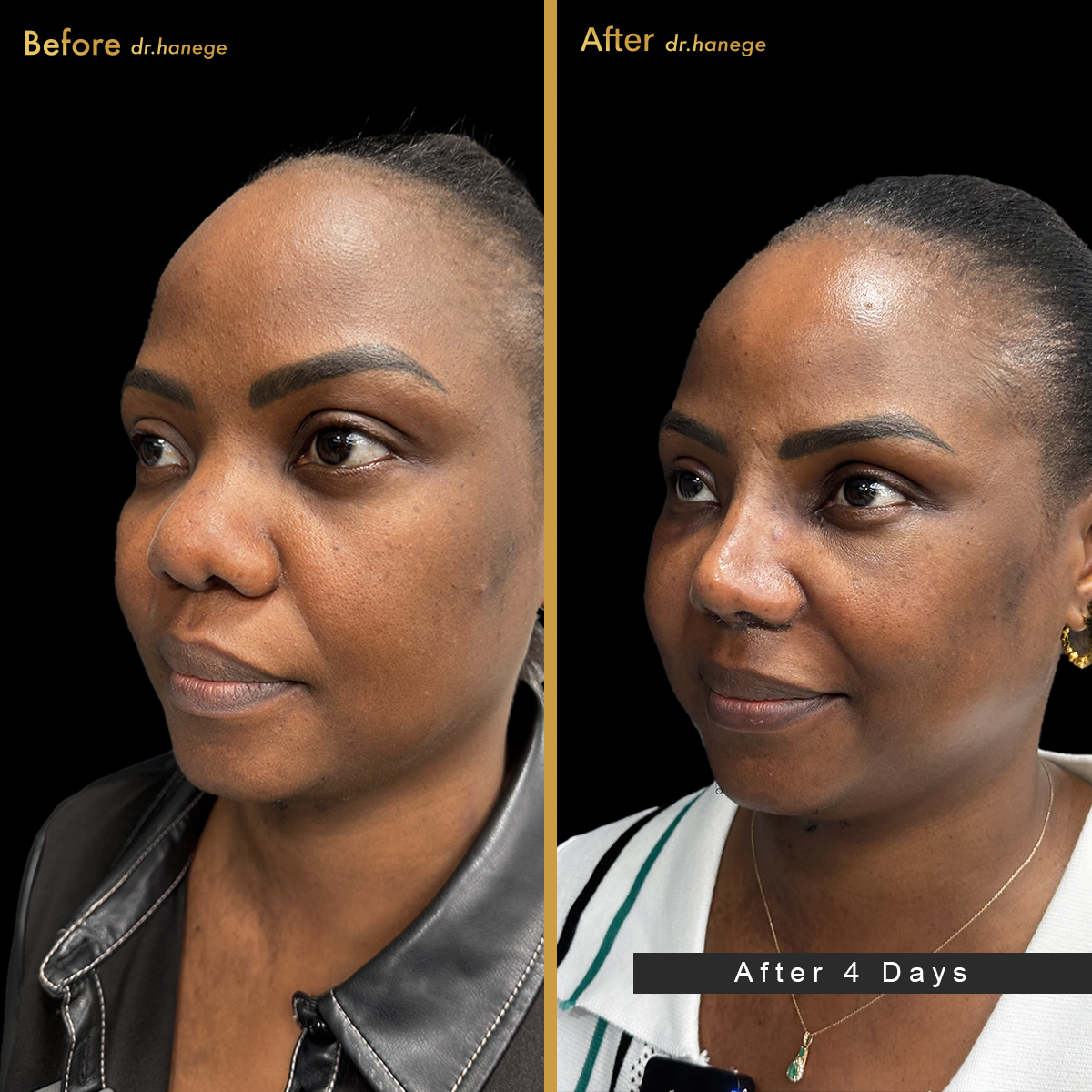
African American ethnic rhinoplasty is a specialized form of nose surgery designed to refine nasal appearance while preserving the unique facial characteristics and cultural identity of African American patients. Unlike traditional rhinoplasty techniques that were historically developed around Caucasian nasal anatomy, African American rhinoplasty requires a customized, structurally focused approach that respects individual anatomy, skin thickness, and aesthetic preferences.
Today, more patients are seeking natural, balanced results that enhance their features without erasing their heritage. With advances in surgical techniques and a deeper understanding of ethnic facial harmony, African American ethnic rhinoplasty has evolved into an art that combines precision, cultural sensitivity, and functional improvement.
This comprehensive guide explores what African American ethnic rhinoplasty involves, common anatomical characteristics, surgical challenges, techniques used by experienced surgeons, recovery expectations, and how to achieve natural, long-lasting results.

What Is African American Ethnic Rhinoplasty?
African American ethnic rhinoplasty is a tailored nose surgery approach for patients of African descent. The primary goal is refinement rather than transformation, focusing on enhancing nasal balance while maintaining ethnic identity.
Unlike standard rhinoplasty, which often emphasizes reduction, African American rhinoplasty typically involves:
- Structural support enhancement
- Tip definition and projection
- Nasal bridge augmentation
- Conservative nostril refinement
- Functional breathing improvement
Each procedure is highly individualized, taking into account the patient’s facial proportions, skin type, and personal aesthetic goals.
Common Nasal Characteristics in African American Patients
Although every patient is unique, certain anatomical features are more commonly seen in African American noses. Understanding these traits is essential for successful surgical planning.
1. Thick Nasal Skin
African American patients often have thicker, more sebaceous skin, especially around the nasal tip. This can:
- Reduce visible definition
- Prolong swelling
- Require stronger structural support
2. Weaker or Softer Cartilage
The cartilage framework may be softer, particularly at the nasal tip, leading to:
- Limited projection
- Rounded tip shape
- Less natural definition without grafting
3. Low or Flat Nasal Bridge
Many African American patients have a lower nasal dorsum, which can:
- Reduce facial balance
- Make the nose appear wider
- Benefit from subtle augmentation
4. Wider Alar Base and Nostrils
A broader nasal base and flared nostrils are common and must be approached conservatively to preserve natural proportions.
Goals of African American Ethnic Rhinoplasty
The goals of African American rhinoplasty differ from those of standard rhinoplasty and focus on harmony rather than conformity.
Key objectives include:
- Enhancing tip definition without over-narrowing
- Improving projection and balance
- Refining the nasal base while maintaining identity
- Preserving ethnic characteristics
- Improving breathing when necessary
The aim is to create a nose that looks natural, elegant, and balanced with the patient’s facial features.

Surgical Challenges in African American Rhinoplasty
African American ethnic rhinoplasty presents unique challenges that require advanced expertise.
1. Managing Thick Skin
Thick skin can mask cartilage shaping, making it difficult to achieve sharp definition.
2. Creating Durable Tip Support
Weak cartilage requires reinforcement to prevent long-term collapse or loss of shape.
3. Avoiding Over-Westernization
Over-narrowing or over-rotating the nose can erase ethnic identity and look unnatural.
4. Maintaining Nasal Function
Structural changes must preserve or improve breathing and airflow.
Only surgeons experienced in ethnic rhinoplasty can effectively address these challenges.
Advanced Techniques Used in African American Ethnic Rhinoplasty
To overcome anatomical challenges, surgeons use specialized methods designed for African American noses.
1. Structural Grafting
Cartilage grafts are essential for long-term stability and definition. Sources include:
- Septal cartilage (preferred)
- Ear cartilage
- Rib cartilage (in complex cases)
2. Tip Projection and Definition
Techniques such as:
- Columellar strut grafts
- Septal extension grafts
- Shield grafts
These methods enhance tip projection and create a refined shape that remains visible beneath thick skin.
3. Nasal Bridge Augmentation
For patients with a low dorsum, surgeons may perform subtle augmentation using:
- Autologous cartilage
- Fascia-wrapped diced cartilage
- Soft-tissue grafts
This improves facial harmony without creating an artificial or overly high bridge.
4. Conservative Alar Base Reduction
Nostril narrowing is performed carefully to:
- Improve balance
- Avoid excessive narrowing
- Hide incisions within natural creases
The goal is refinement, not dramatic reduction.
Functional Considerations: Breathing and Structure
African American rhinoplasty is not only aesthetic. Functional improvement is often part of the procedure.
Functional goals include:
- Strengthening nasal valves
- Supporting airflow
- Preventing collapse
- Correcting septal deviation when present
Surgeons prioritize both beauty and breathing for long-term satisfaction.

Recovery and Healing Expectations
Healing timelines can vary, particularly due to thicker skin.
Typical recovery includes:
- Initial swelling and bruising: 1–2 weeks
- Cast removal: around day 7
- Gradual swelling reduction: 3–6 months
- Final results: 12–18 months
Thick skin patients may notice slower tip definition, which is normal and expected.
Managing Swelling in Thick Skin Patients
To optimize results, surgeons may recommend:
- Extended taping
- Steroid injections for persistent swelling
- Salt reduction
- Skincare routines to reduce oil production
- Regular follow-up visits
These measures help the skin adapt to the new structure.
Setting Realistic Expectations
Patients considering African American ethnic rhinoplasty should understand:
- Results are subtle and natural
- Definition improves gradually
- The goal is harmony, not extreme sharpness
- Ethnic features are preserved
A skilled surgeon will clearly explain what is achievable based on anatomy and skin type.
Choosing the Right Surgeon for African American Rhinoplasty
Choosing an experienced surgeon is the most important decision.
Look for a surgeon who:
- Specializes in ethnic rhinoplasty
- Has extensive experience with African American patients
- Shows before-and-after photos of similar cases
- Uses structural techniques
- Understands cultural aesthetics
- Communicates openly about expectations
Surgeon expertise directly impacts safety, aesthetics, and long-term results.
Why African American Ethnic Rhinoplasty Is Gaining Popularity
With growing appreciation for diversity and natural beauty, more African American patients are choosing rhinoplasty that:
- Enhances confidence
- Maintains cultural identity
- Provides balanced facial harmony
- Offers long-lasting, stable results
Advances in technique and technology have made natural outcomes more achievable than ever.
Conclusion: Celebrating Identity Through African American Ethnic Rhinoplasty
African American ethnic rhinoplasty is a refined, culturally respectful procedure that enhances facial harmony while preserving identity. By addressing thick skin, soft cartilage, and unique anatomical features with specialized techniques, experienced surgeons can achieve natural, beautiful, and functional results.
When performed by a skilled ethnic rhinoplasty specialist, this procedure empowers patients to embrace both self-expression and confidence—without compromising who they are.