

Rib cartilage has become one of the most trusted graft materials in modern rhinoplasty, especially for revision rhinoplasty, ethnic rhinoplasty, and other complex nose surgeries that require significant structural support. However, one concern patients frequently encounter during their research is the possibility of rib cartilage warping.
So, can rib cartilage warp after rhinoplasty? The answer is yes—but with modern surgical techniques and an experienced rhinoplasty surgeon, the risk is relatively low and can often be minimized or prevented.
Understanding why rib cartilage may warp, how surgeons reduce this risk, and what patients should realistically expect can help you make an informed decision about your procedure. In this comprehensive guide, we explain everything you need to know about rib cartilage warping, including its causes, prevention strategies, treatment options, and long-term outcomes.
What Is Rib Cartilage Rhinoplasty?
Rib cartilage rhinoplasty is an advanced surgical technique that uses cartilage harvested from the patient’s own rib to reshape, reinforce, or reconstruct the nose. Because rib cartilage is strong, abundant, and biologically compatible, it is often the preferred choice in procedures requiring significant structural support.
Surgeons commonly recommend rib cartilage for:
- Revision rhinoplasty
- Ethnic rhinoplasty
- Thick skin rhinoplasty
- Saddle nose deformity
- Traumatic nasal injuries
- Major bridge augmentation
- Severe structural collapse
Unlike synthetic implants, rib cartilage integrates naturally into the body and provides durable long-term support.
What Does “Warping” Mean?
Warping refers to a gradual change in the shape or curvature of cartilage after it has been placed in the nose.
Instead of remaining perfectly straight, the graft may slowly bend or twist as it heals.
Warping can range from:
- Very subtle changes visible only to the surgeon
- Mild contour irregularities
- More noticeable nasal asymmetry in rare cases
It is important to understand that not every rib cartilage graft warps, and when it does occur, the degree varies considerably.
Why Does Rib Cartilage Warp?
Cartilage is a living tissue with natural internal stresses.
When surgeons carve cartilage into grafts, these internal forces may become unbalanced, causing the graft to slowly change shape during healing.
Factors influencing warping include:
- Natural cartilage tension
- Carving technique
- Graft thickness
- Cartilage quality
- Healing response
Warping is not caused by anything the patient does after surgery.
Is Rib Cartilage Warping Common?
One of the biggest misconceptions is that rib cartilage always warps.
Fortunately, this is not true.
With modern rhinoplasty techniques, significant warping is relatively uncommon.
Today’s experienced surgeons use specialized harvesting and carving methods specifically designed to reduce the likelihood of graft distortion.
As surgical techniques have evolved, the incidence of clinically significant warping has become much lower than in the past.
Why Surgeons Still Choose Rib Cartilage
If warping is possible, patients often wonder why surgeons continue to use rib cartilage.
The answer is simple.
The advantages usually outweigh the risks.
Rib cartilage offers:
- Excellent structural strength
- Large amounts of available graft material
- Outstanding long-term support
- Natural tissue compatibility
- Superior reconstruction capabilities
For many complex rhinoplasty cases, no other graft material provides the same combination of benefits.
Who Is Most Likely to Need Rib Cartilage?
Rib cartilage is commonly recommended for patients with:
- Previous rhinoplasty
- Severe nasal trauma
- Thick skin
- Weak nasal cartilage
- Ethnic nasal anatomy requiring augmentation
- Saddle nose deformity
- Extensive structural collapse
These patients often require stronger support than septal cartilage alone can provide.
Modern Techniques That Reduce Warping
Advances in structural rhinoplasty have dramatically improved the reliability of rib cartilage grafts.
Experienced surgeons use several methods to minimize the risk.
Balanced Cross-Section Carving
One of the most effective techniques involves carving the graft from the central portion of the rib.
This balanced carving helps distribute internal tension evenly throughout the graft.
As a result, the cartilage is less likely to bend during healing.
Precision Sculpting
Rather than creating one large graft, surgeons often carve multiple smaller grafts that work together.
This approach provides:
- Better control
- Greater stability
- Reduced stress on individual grafts
Customized graft shaping also improves natural contours.
Layered Structural Support
Instead of relying on a single graft, surgeons frequently combine several grafts to build a stable nasal framework.
Examples include:
- Spreader grafts
- Columellar struts
- Shield grafts
- Dorsal grafts
- Alar batten grafts
Distributing structural support across multiple components helps reduce mechanical stress.
Secure Graft Fixation
Modern suturing techniques stabilize cartilage during healing.
Proper fixation minimizes movement and helps maintain the intended position until surrounding tissues heal.
Does Thick Skin Affect Warping?
Patients with thick skin often ask whether their skin increases the risk of cartilage warping.
The answer is generally no.
However, thick skin places greater pressure on the nasal framework.
This makes strong structural support even more important.
Rib cartilage is particularly valuable in thick skin rhinoplasty because it provides the rigidity necessary to maintain long-term shape beneath heavier soft tissue.
Rib Cartilage vs Septal Cartilage
Many patients compare rib cartilage with septal cartilage.
Septal Cartilage
Advantages:
- Easily harvested
- No second surgical site
- Excellent for primary rhinoplasty
Limitations:
- Limited quantity
- Less structural strength
- Often unavailable in revision surgery
Rib Cartilage
Advantages:
- Greater strength
- Larger graft volume
- Superior reconstruction ability
- Better long-term support
Limitations:
- Additional donor site
- Slightly longer surgery
- Small possibility of warping
For complex rhinoplasty, the benefits of rib cartilage frequently outweigh its disadvantages.
Can Warping Be Corrected?
If noticeable warping occurs, it can often be corrected.
Treatment depends on severity.
Options include:
- Observation for minor irregularities
- Injectable fillers for small contour defects in selected cases
- Minor revision procedures
- Cartilage reshaping
- Additional structural grafting when necessary
Fortunately, severe postoperative warping requiring revision is relatively uncommon when surgery is performed by experienced specialists.
Recovery After Rib Cartilage Rhinoplasty
Healing occurs in two areas:
- The nose
- The rib donor site
Typical recovery includes:
Week One
- Swelling
- Bruising
- Mild chest soreness
Weeks Two to Four
- Improved breathing
- Reduced swelling
- Return to work for many patients
Six Months
- Significant refinement
- Better contour definition
Twelve to Eighteen Months
- Final results
- Complete tissue adaptation
- Stable cartilage support
Patients should avoid judging their final appearance too early because swelling continues to improve for many months.
Can Patients Prevent Warping?
Patients cannot directly prevent biological warping, but they can protect their surgical results by carefully following postoperative instructions.
Important recommendations include:
- Avoid nasal trauma
- Sleep on your back initially
- Do not wear heavy glasses if instructed
- Attend all follow-up appointments
- Avoid smoking
- Maintain good nutrition
- Follow activity restrictions
These measures promote healthy healing and reduce the risk of complications.
The Importance of Choosing the Right Surgeon
The surgeon’s experience is one of the most important factors influencing rib cartilage outcomes.
An experienced rhinoplasty specialist understands:
- Cartilage harvesting techniques
- Balanced carving methods
- Structural rhinoplasty principles
- Ethnic nasal anatomy
- Functional nasal reconstruction
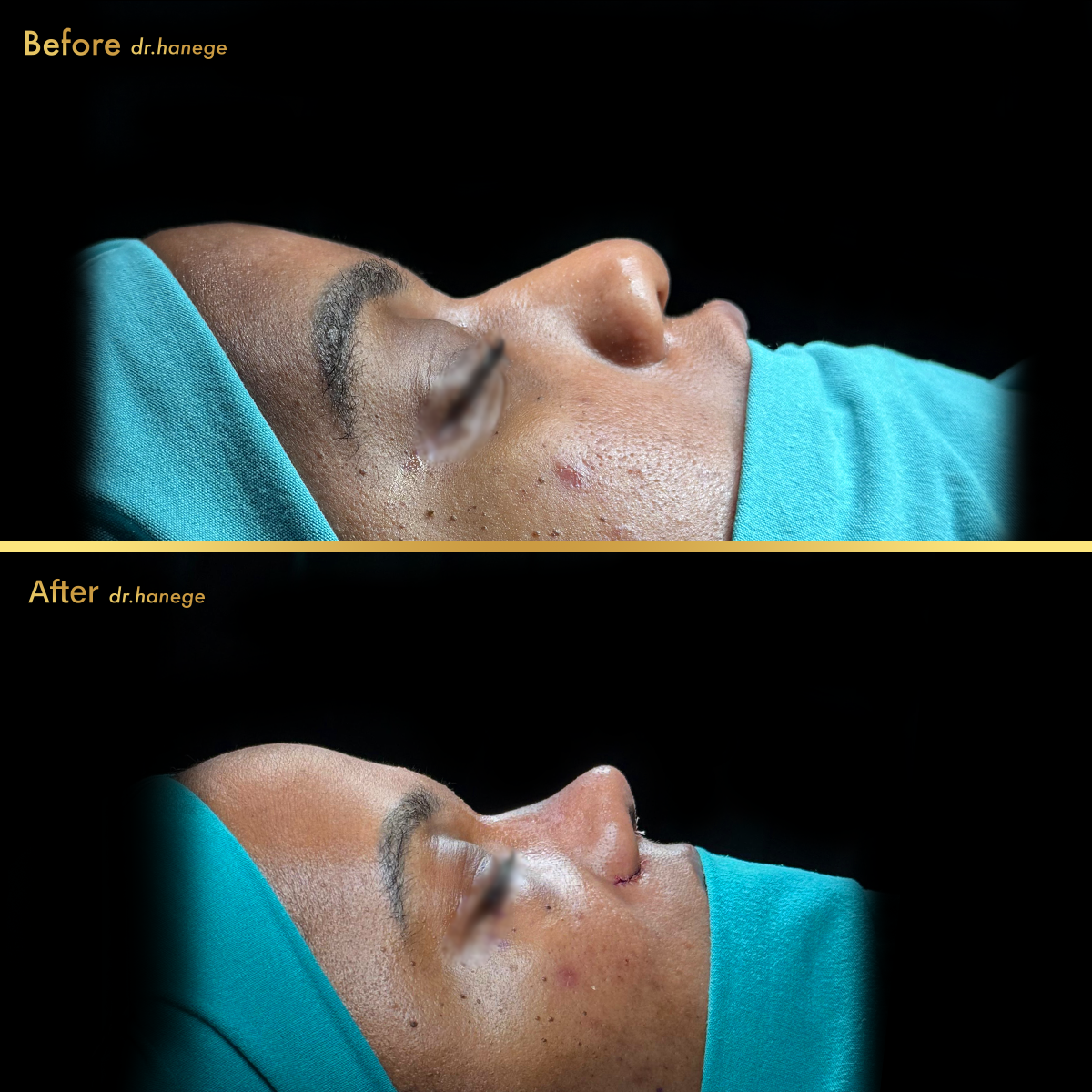
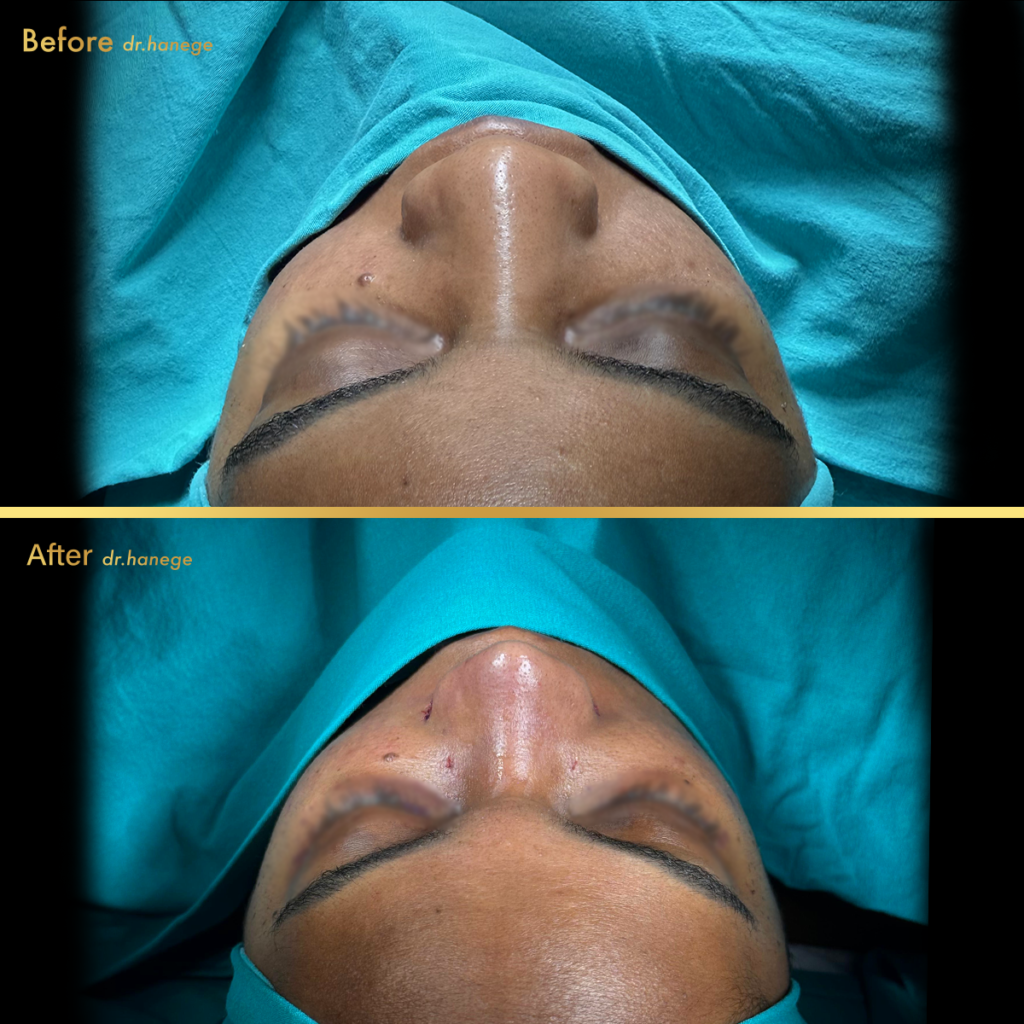
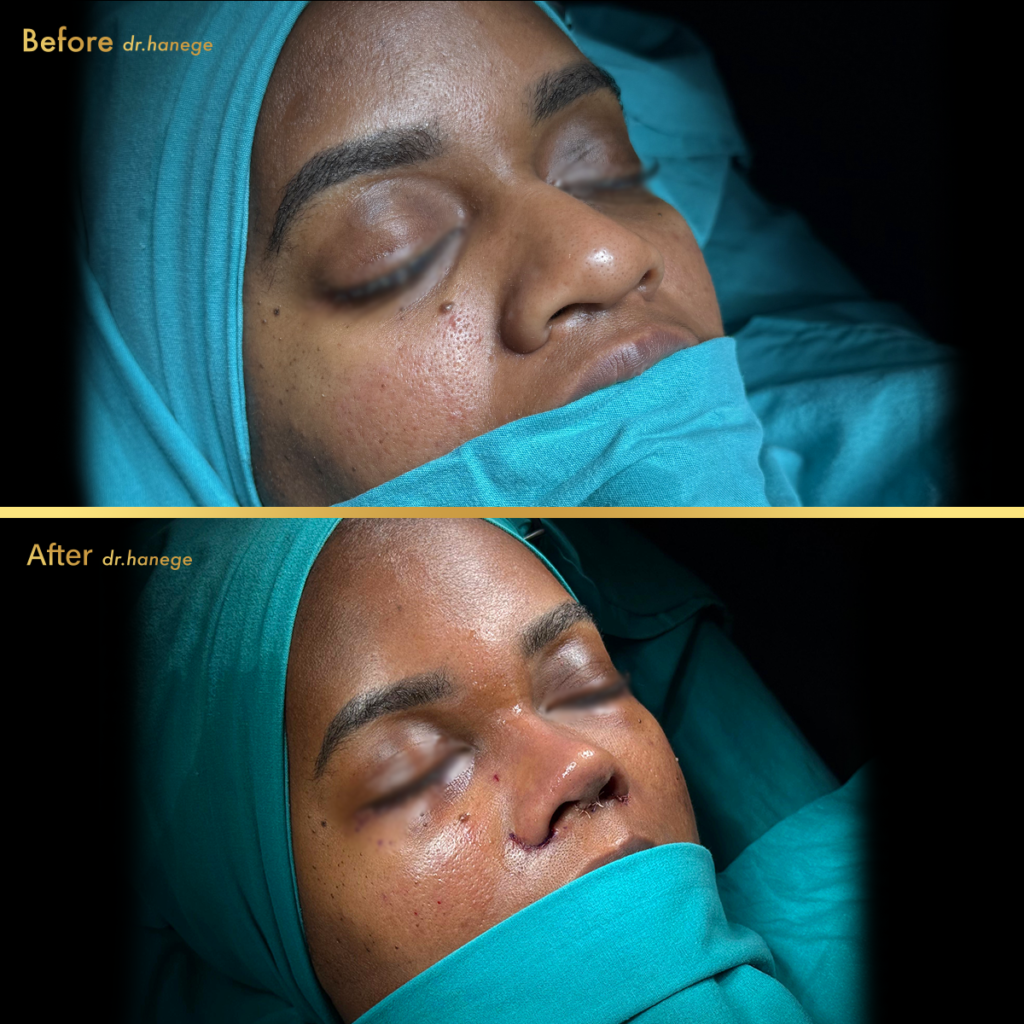
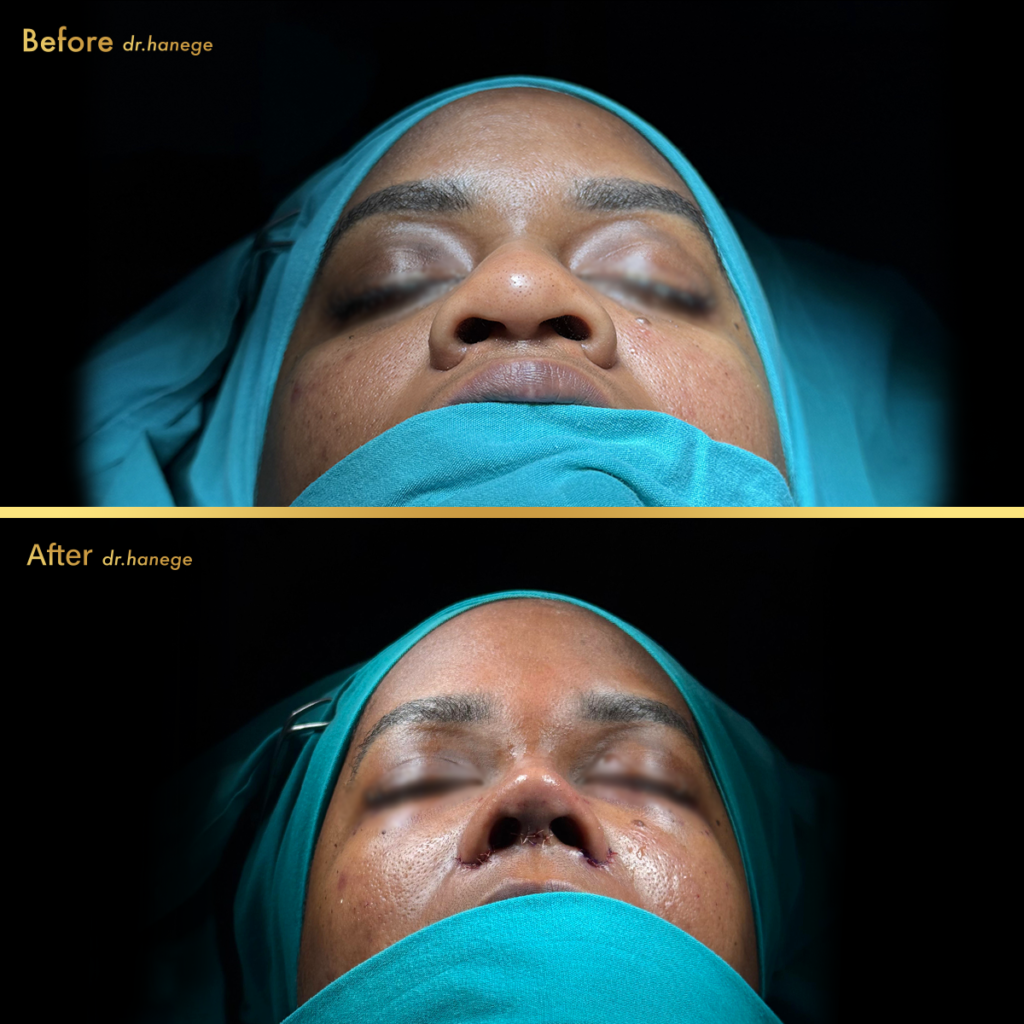
Patients should review before-and-after photographs and choose a surgeon with extensive experience using rib cartilage grafts.
Common Myths About Rib Cartilage Warping
Myth 1: Every Rib Cartilage Graft Warps
False.
Modern surgical methods have significantly reduced the incidence of clinically important warping.
Myth 2: Warping Happens Immediately
False.
If warping occurs, it usually develops gradually during healing rather than immediately after surgery.
Myth 3: Rib Cartilage Is Unsafe
False.
Autologous rib cartilage remains one of the safest graft materials available because it comes from the patient’s own body.
Myth 4: Synthetic Implants Never Change Shape
False.
Synthetic implants carry their own potential risks, including shifting, infection, extrusion, and long-term complications.
Why Rib Cartilage Remains the Gold Standard for Complex Rhinoplasty
Despite the small possibility of warping, rib cartilage continues to be widely regarded as the gold standard for challenging rhinoplasty procedures because it offers:
- Excellent strength
- Large graft availability
- Outstanding structural support
- Long-term durability
- Natural tissue integration
- Reliable functional improvement
For many patients, no other graft material can provide comparable benefits.
Frequently Asked Questions
How often does rib cartilage warp?
Minor changes may occur occasionally, but significant warping is relatively uncommon when modern techniques are used.
Does everyone need rib cartilage?
No.
Many primary rhinoplasty patients achieve excellent outcomes using septal cartilage alone.
Is rib cartilage stronger than septal cartilage?
Yes.
Rib cartilage provides substantially greater structural strength and is especially useful in revision, ethnic, and reconstructive rhinoplasty.
Can warped cartilage be repaired?
Yes.
If necessary, revision rhinoplasty can correct significant graft distortion.
Rib cartilage warping is a recognized but manageable consideration in modern rhinoplasty—not a reason to avoid this highly effective graft material. While cartilage naturally contains internal tension that can occasionally lead to shape changes during healing, today’s advanced harvesting, carving, and stabilization techniques have dramatically reduced the likelihood of clinically significant warping.
For patients undergoing revision rhinoplasty, ethnic rhinoplasty, thick skin rhinoplasty, or major nasal reconstruction, rib cartilage remains one of the safest and most reliable options available. Its unmatched strength, abundant volume, and long-term stability make it an invaluable resource for creating natural-looking, functional, and durable results.
Ultimately, the best way to minimize the risk of warping is to choose an experienced rhinoplasty surgeon who specializes in structural grafting techniques and develops a personalized surgical plan based on your anatomy and aesthetic goals.