


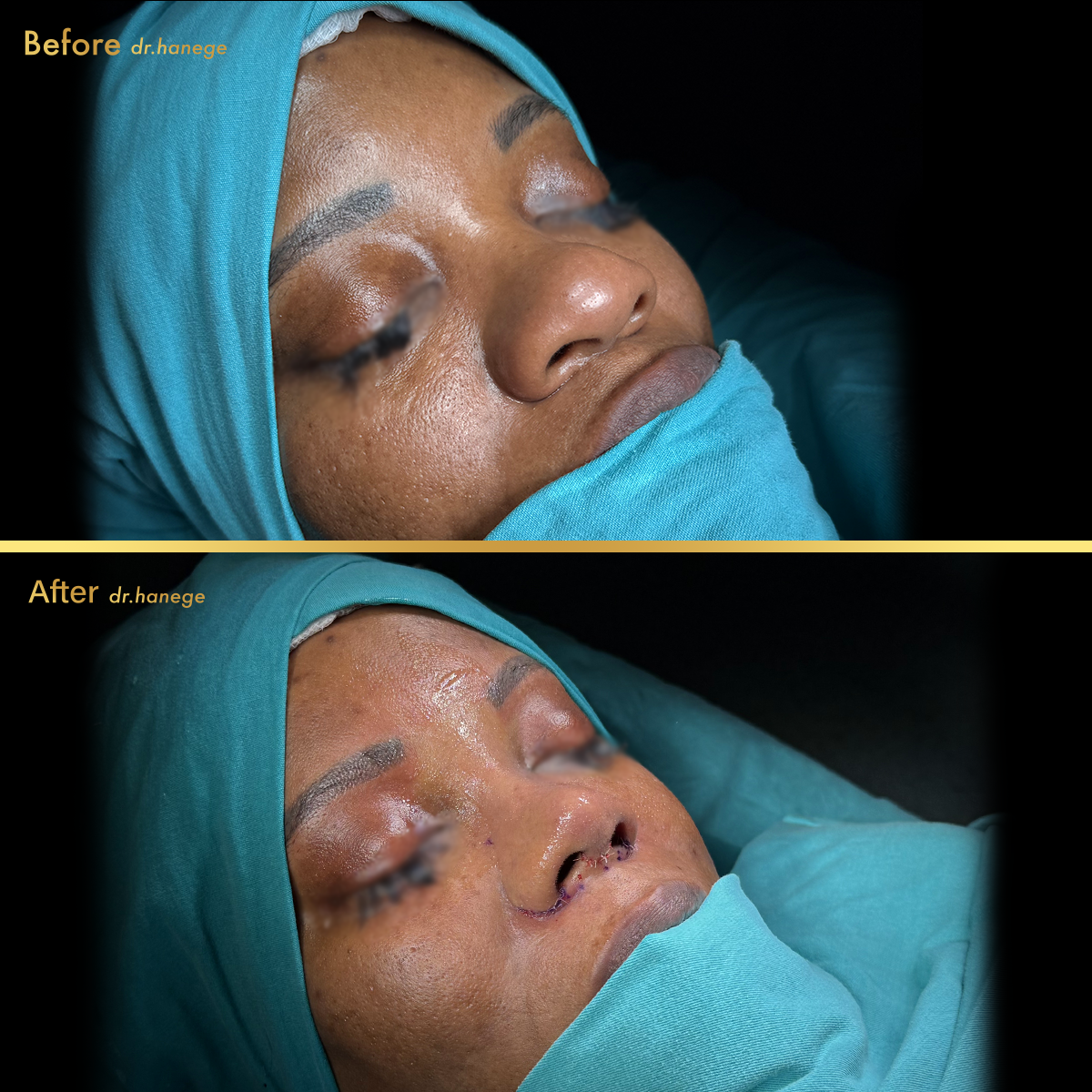
Wide nostrils are one of the most common concerns among patients seeking ethnic rhinoplasty. Many individuals feel that their nostrils appear too broad in proportion to the rest of their facial features, which may affect overall facial harmony. However, narrowing wide nostrils in ethnic rhinoplasty is not as simple as removing tissue or making the nose smaller.
Unlike traditional rhinoplasty procedures, ethnic rhinoplasty requires specialized techniques to maintain natural structure, support, and cultural identity while achieving a refined nasal appearance.
In this article, we will explore how ethnic rhinoplasty addresses wide nostrils and discuss the most effective techniques surgeons use for natural-looking results.
Why Wide Nostrils Are Common in Ethnic Nasal Anatomy
Patients of African, Asian, Middle Eastern, and Hispanic descent often have:
- A wider alar base
- Thicker nasal skin
- Weaker lower lateral cartilage
- A flatter nasal bridge
These anatomical features can create nostrils that appear wider when viewed from the front or below. In many cases, the width of the nostrils exceeds the distance between the inner corners of the eyes — a key aesthetic reference point in facial balance.
Ethnic rhinoplasty focuses on reshaping these structures carefully without compromising breathing function or creating an unnatural appearance.
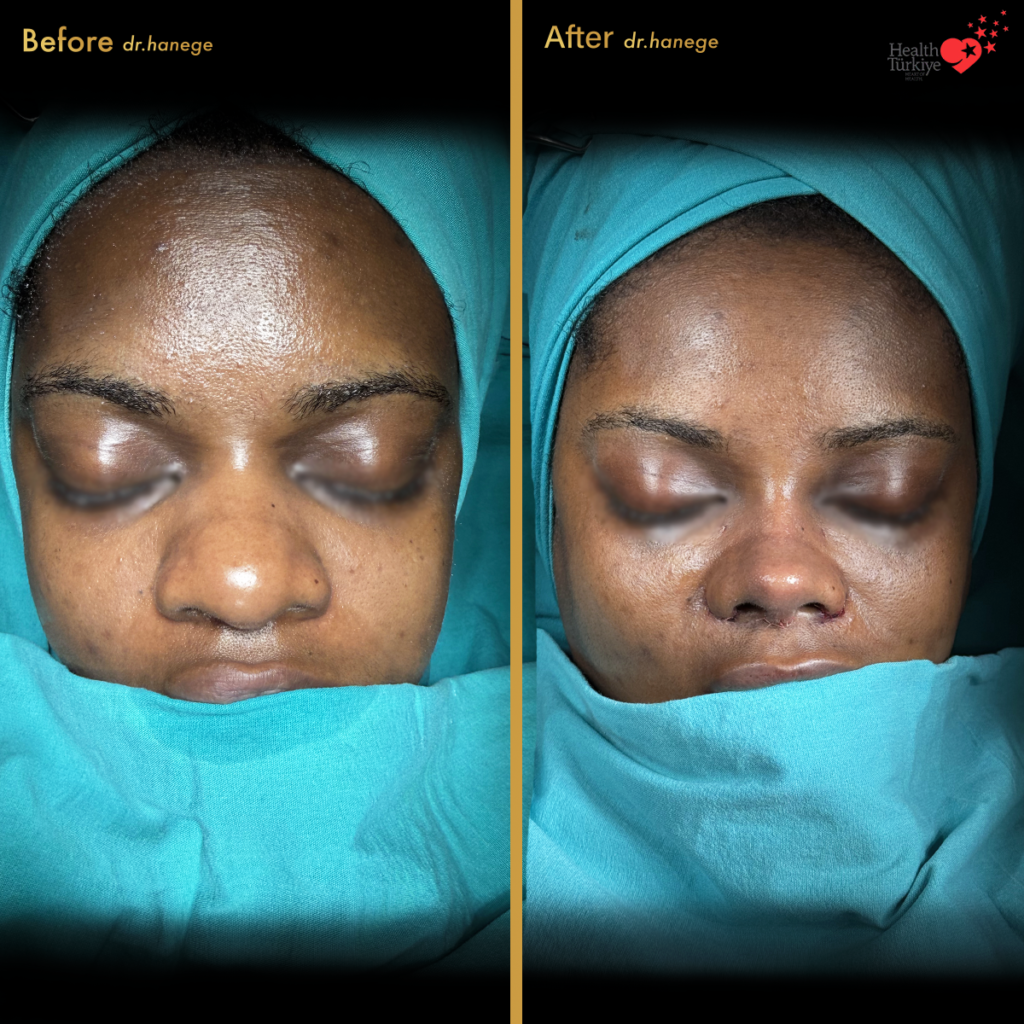
Understanding the Importance of Natural Narrowing
One of the biggest mistakes in nostril reduction surgery is over-narrowing the nostrils. Excessive reduction can lead to:
- Breathing difficulties
- Visible scarring
- Pinched nasal appearance
- Loss of ethnic characteristics
The goal of ethnic rhinoplasty is not to create a small nose, but to achieve proportion and symmetry while preserving identity.
Technique #1: Alar Base Reduction
Alar base reduction is one of the most commonly used techniques to narrow wide nostrils.
How It Works:
This technique involves removing a small wedge of tissue where the nostril meets the cheek. By carefully repositioning the alar base, surgeons can reduce nostril width while maintaining natural curvature.
Benefits:
- Improved nasal proportion
- Subtle narrowing effect
- Minimal visible scarring when performed correctly
Precise incision placement is essential to ensure scars remain hidden within the natural crease.
Technique #2: Weir Excision
Weir excision is a refined method of nostril narrowing often used in ethnic rhinoplasty.
How It Works:
A small portion of tissue is removed from the outer nostril rim to reduce flare. The nostril is then reshaped to appear more proportionate to the nasal tip and bridge.
Ideal For:
- Patients with excessive nostril flare
- Wide nasal base
- Asymmetrical nostrils
This technique must be customized to avoid disrupting nasal support.
Technique #3: Sill Excision
Sill excision targets the base of the nostrils, particularly when width is caused by the area beneath the nostril opening.
Benefits:
- Reduces nostril width
- Maintains nostril shape
- Preserves natural appearance
This method is especially useful when patients want narrowing without changing tip projection.
Technique #4: Alar Cinching Sutures
In some cases, nostril width can be improved without removing tissue.
How It Works:
Internal sutures are used to gently bring the nostrils closer together. This technique is often combined with other procedures for enhanced results.
Advantages:
- No external scars
- Controlled narrowing
- Maintains structural support
Alar cinching is ideal for patients seeking subtle refinement.
Technique #5: Cartilage Grafting for Structural Support
Ethnic rhinoplasty often involves strengthening the nasal tip with cartilage grafts.
Why It Matters:
Weak cartilage can cause nostrils to spread outward. By reinforcing the nasal framework, grafts help:
- Improve tip definition
- Reduce nostril flare
- Enhance long-term stability
Common graft sources include septal, ear, or rib cartilage.
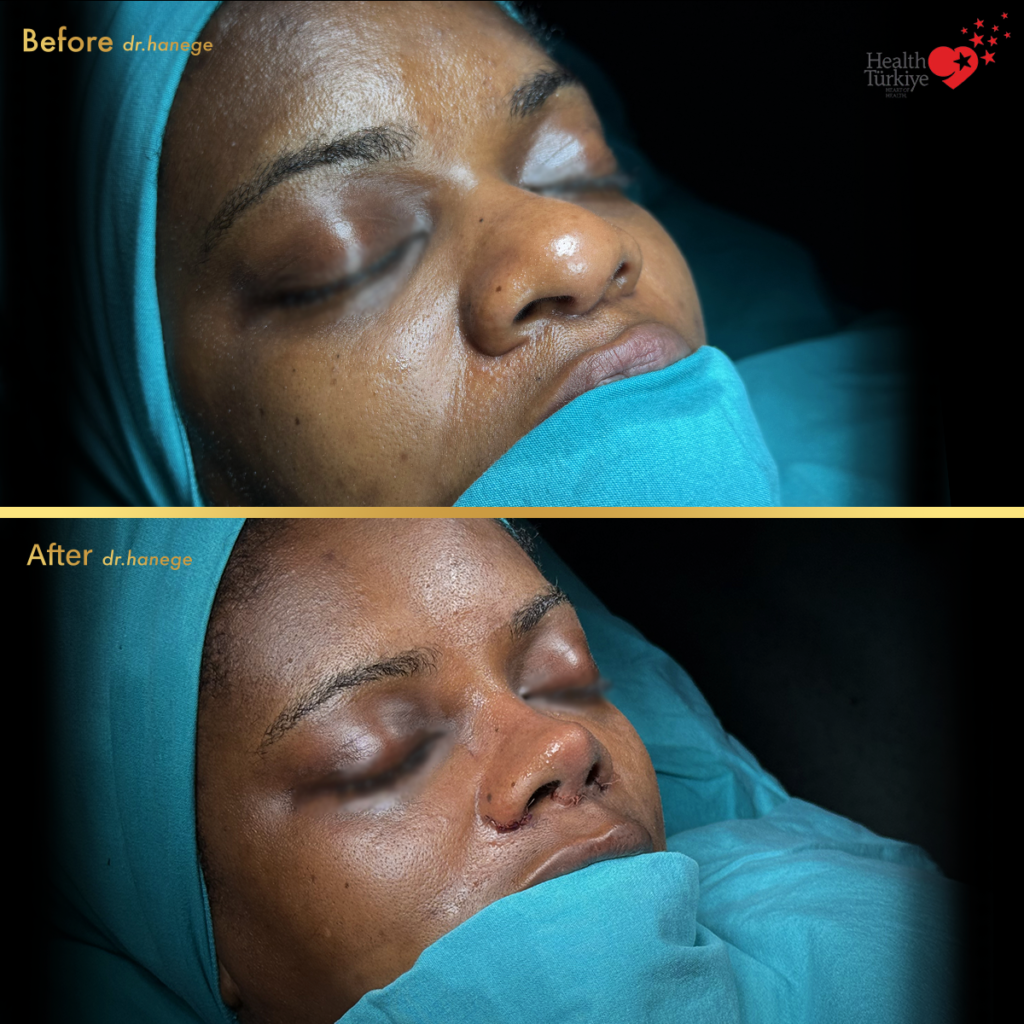
Technique #6: Nasal Tip Refinement
Sometimes wide nostrils are not caused by the alar base but by poor tip projection.
Refining the nasal tip can:
- Create the illusion of narrower nostrils
- Improve facial harmony
- Reduce the need for aggressive tissue removal
Tip refinement is a key component of ethnic rhinoplasty planning.
Technique #7: Combined Approach
Most patients benefit from a combination of:
- Alar base reduction
- Tip refinement
- Structural grafting
A comprehensive approach allows surgeons to achieve balanced results without compromising function or identity.
What Makes Ethnic Rhinoplasty Different?
Ethnic rhinoplasty prioritizes:
- Preservation of natural features
- Structural integrity
- Cultural harmony
Each procedure is tailored to the patient’s unique anatomy and aesthetic goals.
Recovery After Nostril Narrowing Surgery
Recovery varies depending on the techniques used.
Typical Timeline:
- Week 1: Swelling and mild bruising
- Week 2–4: Initial healing
- Month 3–6: Continued refinement
- Month 12: Final results
Patients with thicker skin may experience longer swelling duration.
Potential Risks and How to Avoid Them
Possible risks include:
- Over-narrowing
- Asymmetry
- Visible scarring
- Breathing issues
Choosing an experienced ethnic rhinoplasty surgeon significantly reduces these risks.
Who Is a Good Candidate?
You may be a suitable candidate if you:
- Feel your nostrils appear too wide
- Desire improved facial balance
- Have realistic expectations
- Are in good overall health
A consultation is necessary to determine the best approach.
Final Thoughts
Ethnic rhinoplasty for wide nostrils is a highly specialized procedure that combines aesthetic refinement with structural support. With the right techniques and surgical expertise, patients can achieve a more balanced nasal appearance without losing their natural identity.
Natural-looking results depend on careful planning, advanced methods, and a deep understanding of ethnic anatomy.