


In today’s globalized world, beauty standards are becoming more inclusive — and so is the field of cosmetic surgery. One of the most significant advancements in this field is ethnic rhinoplasty, a highly specialized form of nose reshaping surgery designed for individuals from diverse ethnic backgrounds. The goal? To refine the appearance of the nose without erasing the patient’s natural heritage.
In this article, we will explore what ethnic rhinoplasty is, how it differs from traditional techniques, and why Turkey — especially Istanbul — has become a top destination for this sophisticated procedure.

What Is Ethnic Rhinoplasty?
Ethnic rhinoplasty is a customized surgical approach that addresses the anatomical characteristics of non-Caucasian noses. This includes patients of:
- Middle Eastern descent
- African or Afro-Caribbean heritage
- East or Southeast Asian background
- Hispanic and Latin American ethnicities
- South Asian or Indian origin
The aim is not to “Westernize” the nose, but rather to enhance facial harmony while respecting the patient’s ethnic features. It’s a balance of art, science, and cultural sensitivity.
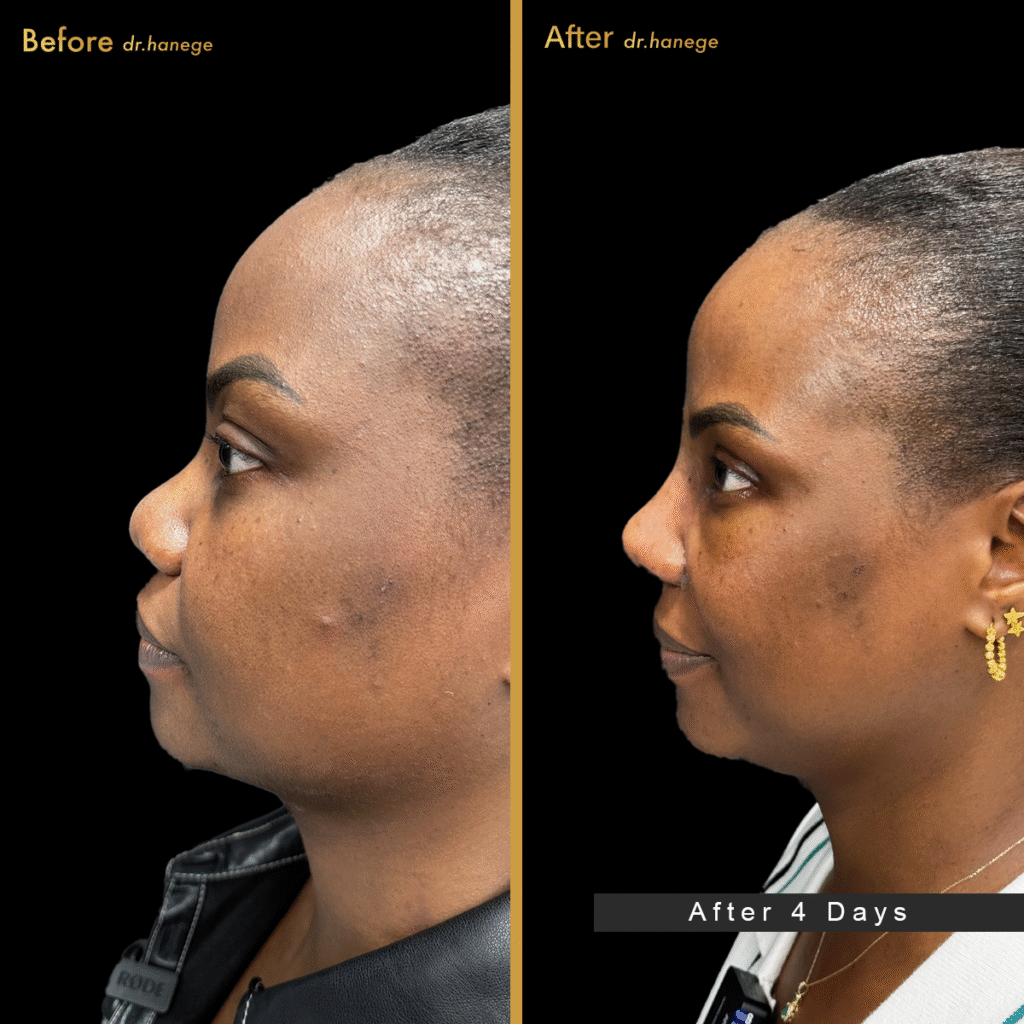
Common Features in Ethnic Noses
Each ethnic group presents unique nasal characteristics. Here are some examples:
- Middle Eastern noses: Often feature a prominent dorsal hump and a drooping nasal tip
- African noses: Tend to have wide nostrils, low nasal bridges, and thick skin
- Asian noses: Often have flatter bridges and weaker cartilage support
- Hispanic noses: May exhibit bulbous tips or a combination of thick skin and wide bridges
A successful ethnic rhinoplasty addresses these differences with precision and cultural awareness.
How Ethnic Rhinoplasty Differs from Traditional Rhinoplasty
Ethnic rhinoplasty is not a “one-size-fits-all” procedure. It requires a deep understanding of nasal anatomy, skin thickness, cartilage strength, and cultural aesthetics.
Here are some key differences:
| Aspect | Traditional Rhinoplasty | Ethnic Rhinoplasty |
| Surgical Goal | Balance and refinement | Harmony while preserving ethnicity |
| Cartilage Work | Reduction-focused | Often includes grafting or structural enhancement |
| Skin Type | Usually thin to medium | Often thick or oily, affecting healing |
| Nasal Base | Narrowed if needed | Carefully refined to avoid over-reduction |
A well-performed ethnic rhinoplasty should result in a natural-looking nose that doesn’t look “operated” and still feels authentic to the patient’s roots.
Why Turkey Is a Leading Destination for Ethnic Rhinoplasty
Turkey, and particularly Istanbul, has emerged as a global hub for advanced rhinoplasty techniques — especially for ethnic noses. Here’s why:
1. Experienced Surgeons
Top Turkish surgeons, like Assoc. Prof. Dr. Fatih Mehmet Hanege, are renowned for their expertise in handling complex ethnic cases, including revision rhinoplasty and ultrasonic techniques. Their experience spans thousands of surgeries with patients from the Middle East, Europe, the U.S., and beyond.
2. Tailored Surgical Approach
Ethnic rhinoplasty in Turkey is deeply personalized. Surgeons take into account each patient’s:
- Cultural background
- Facial proportions
- Skin thickness
- Breathing functionality
This holistic approach ensures both aesthetic and functional outcomes.
3. Affordable, All-Inclusive Packages
Compared to the U.S., UK, or Europe, the cost of ethnic rhinoplasty in Turkey is 50–70% lower — without compromising on quality. Many clinics offer packages that include:
- Pre- and post-op consultations
- Hotel accommodation
- VIP transfers
- Personal assistants and translators
What to Expect During the Procedure
Pre-Surgery
Your journey begins with an online consultation, followed by an in-person examination upon arrival in Istanbul. 3D simulations may be used to visualize your results and help you make an informed decision.
Surgical Technique
Depending on your nose structure, your surgeon may use:
- Open rhinoplasty: Ideal for maximum visibility and precision
- Closed rhinoplasty: No external scars, less swelling
- Cartilage grafting: To build up the nasal bridge or support weak tips
- Alar base reduction: To refine wide nostrils without over-narrowing
Recovery Timeline
- First 1–2 weeks: Swelling and bruising subside
- 1–3 months: Shape becomes more defined
- 6–12 months: Final result visible, especially in thick-skinned patients
The Role of Skin Thickness and Healing
One of the main challenges in ethnic rhinoplasty is thick skin, especially in Middle Eastern, African, or South Asian patients. Thick skin tends to mask underlying structural changes, which:
- Requires a more aggressive cartilage framework
- Demands longer healing time
- May lead to delayed visibility of final results
Your surgeon must use strategic grafts and subtle contouring to deliver a result that’s both stable and aesthetically pleasing.
Natural-Looking Results: What Patients Really Want
The biggest fear among ethnic rhinoplasty patients is losing their cultural identity. At drhanege.com, our philosophy is clear:
“We enhance your features, not erase them.”
Patients often request:
- A straighter profile without an overly narrow nose
- A lifted but not pinched tip
- Defined nostrils without distortion
- Improved breathing function along with cosmetic refinement
When done correctly, ethnic rhinoplasty offers transformative results that celebrate individuality rather than conform to a narrow ideal.
Before & After: Realistic Expectations
Setting realistic goals is crucial. Your final result will depend on:
- Initial nose structure
- Skin type and thickness
- Healing response
- Surgical technique used
Our gallery features before-and-after cases of ethnic rhinoplasty from patients across the globe — from the Middle East to Latin America — so you can see what’s achievable.
Patient Testimonial: Sara from Dubai
“I had always felt self-conscious about the bump on my nose, but I didn’t want to look like someone else. Dr. Hanege understood exactly what I needed — he kept the essence of my features while softening them. I couldn’t be happier with the outcome!”
Ready for Your Ethnic Rhinoplasty in Turkey?
Ethnic rhinoplasty is more than a cosmetic procedure — it’s a journey of self-confidence and self-acceptance. If you’re looking for a surgeon who respects your cultural identity while helping you achieve refined, natural beauty, look no further.
At drhanege.com, Assoc. Prof. Dr. Fatih Mehmet Hanege has extensive experience with diverse ethnic profiles, ensuring results that are both beautiful and authentic.
👉 Book your online consultation today and take the first step toward a more confident you.