


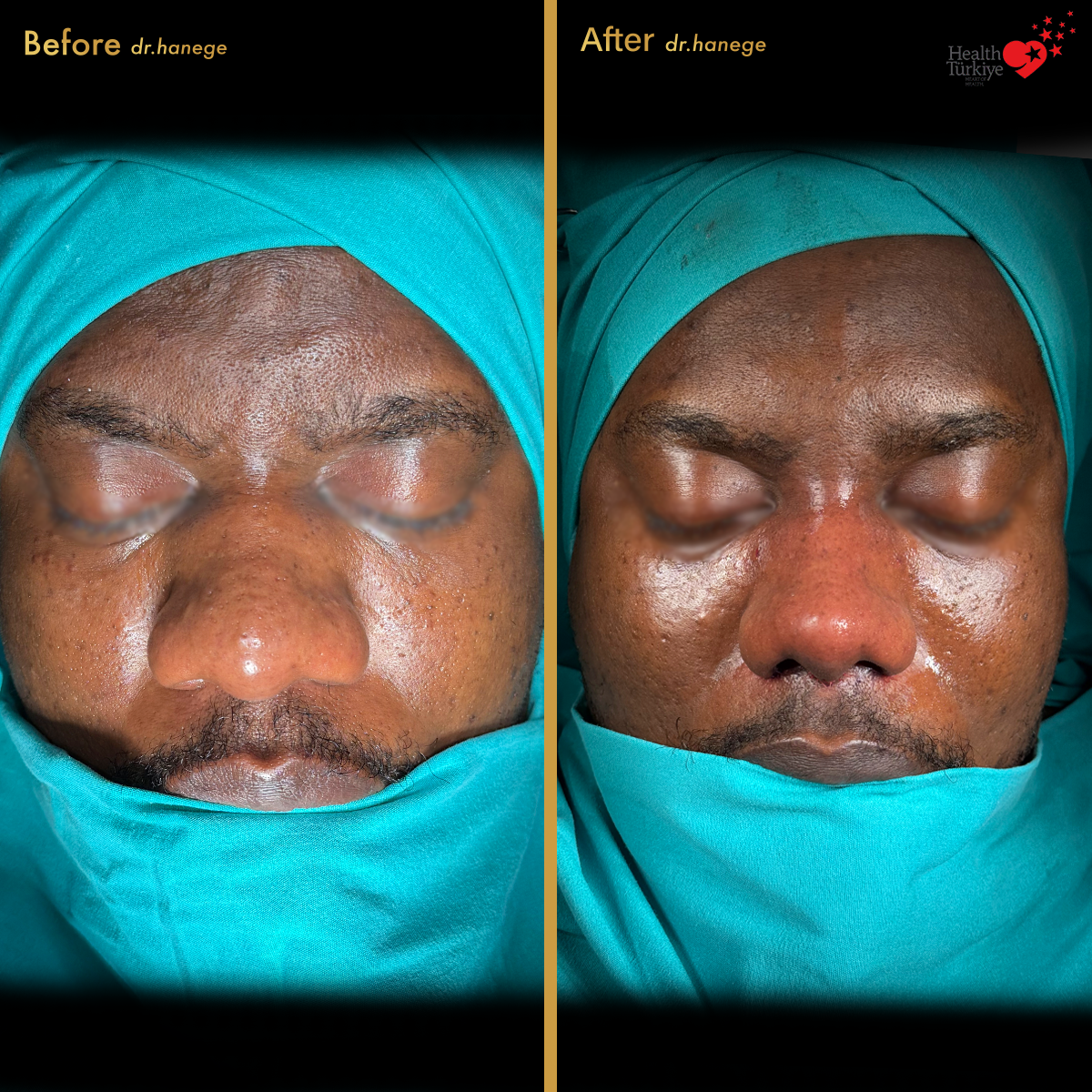
Ethnic rhinoplasty has become one of the fastest-growing subspecialties in facial plastic surgery. Unlike traditional rhinoplasty, which often focuses on reducing the size of the nose, ethnic rhinoplasty frequently requires structural enhancement, improved projection, and preservation of unique ethnic characteristics. One of the most important factors in achieving these goals is creating a stable nasal framework. This is why many experienced surgeons choose rib cartilage when additional support is needed.
For patients with thicker skin, weaker nasal cartilage, previous nose surgeries, or significant structural deficiencies, rib cartilage offers unmatched strength and long-term stability. In this comprehensive guide, you’ll learn how rib cartilage provides stronger support in ethnic rhinoplasty, when it is recommended, and why it has become the preferred graft material in many complex nose surgeries.
Understanding Ethnic Rhinoplasty
Ethnic rhinoplasty is a highly specialized nose surgery designed for patients from diverse ethnic backgrounds, including:
- African
- Asian
- Middle Eastern
- Hispanic and Latin
- Mixed ethnic heritage
The purpose of ethnic rhinoplasty is to improve the appearance and function of the nose while maintaining the patient’s cultural identity. Rather than creating a standardized nose, surgeons aim to enhance facial harmony through subtle, personalized refinements.
Unlike conventional rhinoplasty, ethnic rhinoplasty often emphasizes augmentation and structural reinforcement instead of aggressive reduction.
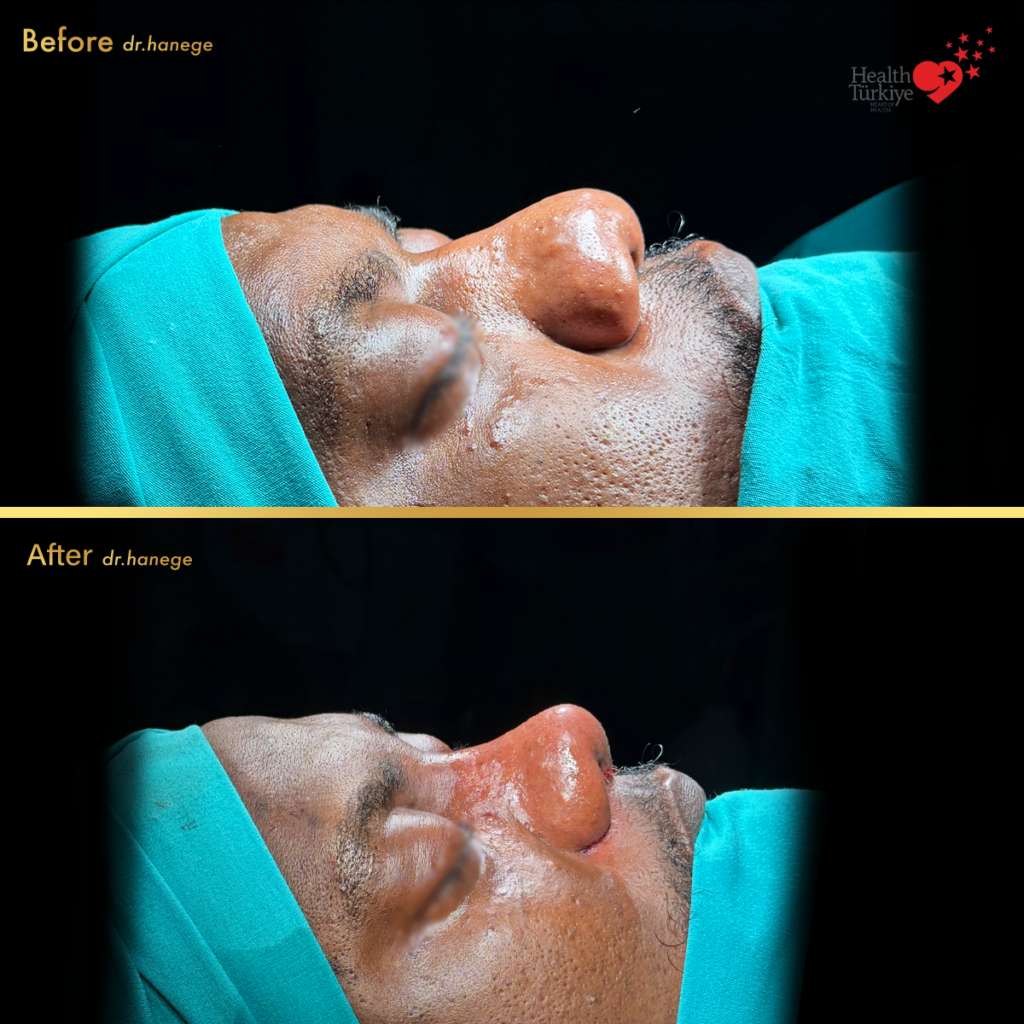
Why Structural Support Matters in Ethnic Rhinoplasty
A successful rhinoplasty depends on more than simply changing the shape of the nose. The internal framework must be strong enough to support the skin, maintain the desired shape, and preserve proper breathing function for years to come.
Without adequate support, patients may develop:
- Tip drooping
- Nasal asymmetry
- Bridge collapse
- Breathing difficulties
- Loss of definition over time
This is especially important in ethnic rhinoplasty because many patients naturally have softer cartilage and thicker skin.
Why Many Ethnic Noses Need Additional Support
Although every patient is unique, certain anatomical characteristics are more commonly found in ethnic noses.
These may include:
- Thick skin envelope
- Lower nasal bridge
- Softer cartilage
- Wider nostrils
- Reduced tip projection
- Less structural rigidity
These features create beautiful natural diversity, but they can also present unique surgical challenges. Simply reshaping existing cartilage is often not enough to produce stable, long-lasting results.
What Is Rib Cartilage in Rhinoplasty?
Rib cartilage rhinoplasty involves harvesting cartilage from one of the patient’s lower ribs and using it as graft material during surgery.
Unlike synthetic implants, rib cartilage is the patient’s own tissue (autologous cartilage), making it:
- Biocompatible
- Durable
- Strong
- Highly versatile
The harvested cartilage is carefully carved into customized grafts that support different parts of the nose.
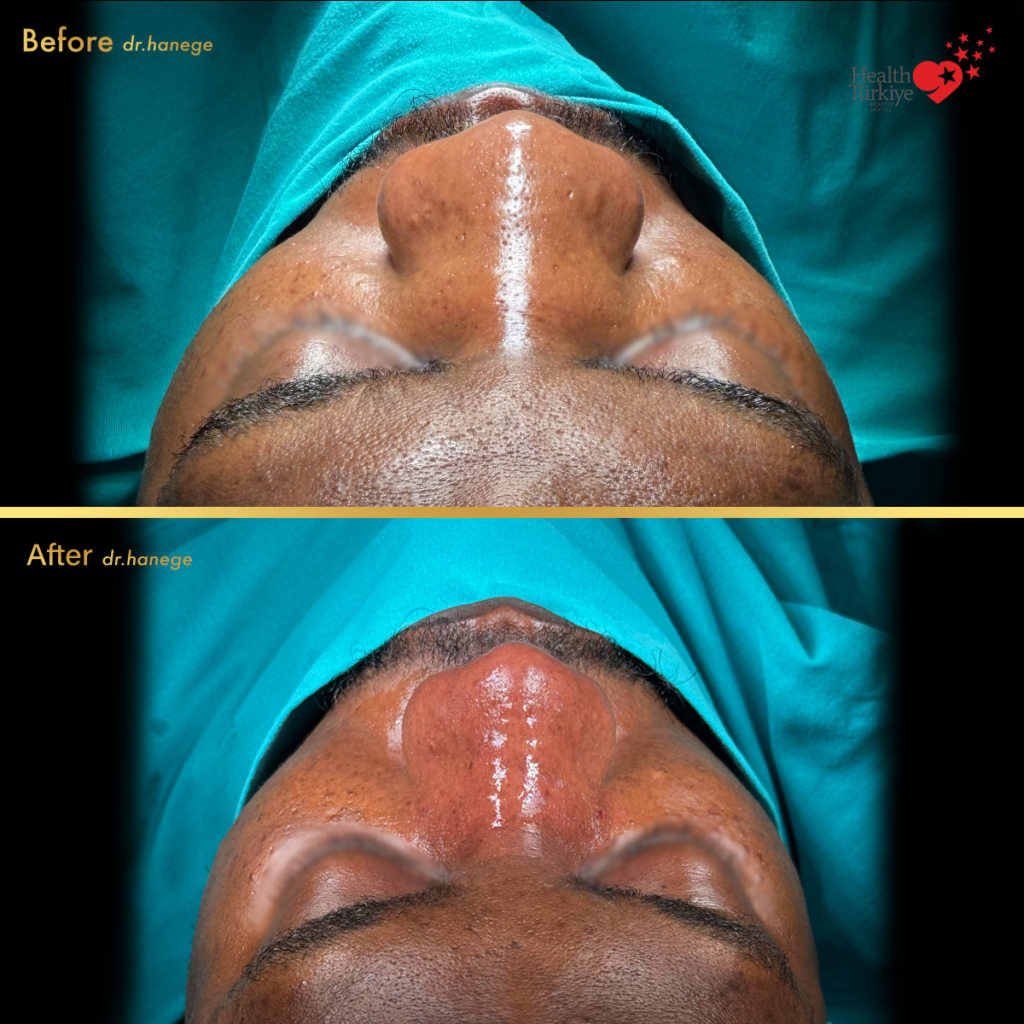
Why Rib Cartilage Is Stronger Than Other Cartilage Sources
Surgeons may obtain cartilage from three primary sources:
- Nasal septum
- Ear cartilage
- Rib cartilage
Among these options, rib cartilage provides the greatest strength and volume.
Septal Cartilage
Septal cartilage is ideal for primary rhinoplasty but has limitations:
- Limited quantity
- Moderate strength
- Often unavailable in revision surgery
Ear Cartilage
Ear cartilage is flexible but relatively soft.
It works well for:
- Small contour corrections
- Minor tip refinement
However, it usually lacks the rigidity required for major structural reconstruction.
Rib Cartilage
Rib cartilage offers:
- Exceptional strength
- Large graft volume
- Long-term stability
- Excellent structural support
These characteristics make it the preferred option for complex ethnic rhinoplasty.
Stronger Tip Support
One of the most common concerns among ethnic rhinoplasty patients is inadequate nasal tip projection.
A weak nasal tip may:
- Appear flat
- Rotate downward over time
- Lose definition beneath thick skin
Rib cartilage provides a strong internal framework capable of supporting the nasal tip for many years.
Surgeons often use rib grafts to:
- Increase projection
- Improve symmetry
- Enhance tip definition
- Prevent postoperative drooping
Better Support for Thick Skin
Thick skin is common among many ethnic rhinoplasty patients.
While thick skin creates smooth contours, it also places greater weight on the nasal framework.
If the supporting cartilage is weak:
- Definition becomes less visible
- The tip may gradually descend
- Long-term results may deteriorate
Rib cartilage is strong enough to support thicker skin without collapsing, allowing surgeons to create refined yet natural-looking results.
Improved Nasal Bridge Augmentation
Many ethnic rhinoplasty patients seek a slightly higher and more defined nasal bridge rather than reduction.
Creating bridge augmentation requires a graft that can:
- Maintain its shape
- Resist pressure
- Integrate naturally
Rib cartilage provides sufficient volume and stability for dorsal augmentation while preserving natural facial proportions.
Enhanced Long-Term Stability
One of the greatest advantages of rib cartilage is its durability.
Unlike weaker cartilage grafts that may gradually bend or collapse, rib cartilage maintains structural integrity over time.
Long-term benefits include:
- Stable bridge height
- Lasting tip projection
- Better facial harmony
- Reduced risk of revision surgery
This stability is especially important for younger patients who expect lifelong results.
Ideal for Revision Ethnic Rhinoplasty
Revision rhinoplasty is significantly more challenging than primary surgery.
Patients often present with:
- Scar tissue
- Missing cartilage
- Structural collapse
- Breathing problems
Because septal cartilage is frequently unavailable after previous surgery, rib cartilage becomes the best source for reconstruction.
Its abundant quantity allows surgeons to rebuild the nose from the foundation upward.
Improved Breathing Function
Ethnic rhinoplasty is not only about aesthetics.
A stable nasal framework is essential for maintaining healthy airflow.
Weak cartilage may contribute to:
- Nasal valve collapse
- Airway obstruction
- Difficulty breathing
Rib cartilage can reinforce the internal nasal valves and strengthen weakened structures, improving both appearance and function.
Patients often notice:
- Easier breathing
- Better sleep
- Improved physical activity
- Increased overall comfort
Customizable for Every Patient
One reason rib cartilage is highly valued is its versatility.
Experienced surgeons can sculpt it into different graft types, including:
- Spreader grafts
- Columellar struts
- Shield grafts
- Alar batten grafts
- Dorsal onlay grafts
Each graft is individually customized according to the patient’s anatomy and surgical goals.
Natural Results with Rib Cartilage
Some patients worry that stronger support will make the nose appear artificial.
In reality, when rib cartilage is expertly carved and positioned, it produces:
- Smooth contours
- Natural proportions
- Balanced projection
- Preserved ethnic identity
Modern structural rhinoplasty focuses on creating a nose that complements the entire face rather than drawing attention to itself.
Rib Cartilage vs Synthetic Implants
Some clinics offer silicone or other synthetic implants instead of cartilage grafts.
Although implants may provide immediate augmentation, they also carry potential risks, including:
- Infection
- Extrusion
- Shifting
- Visibility beneath thin skin
Autologous rib cartilage offers several advantages:
- Natural integration
- Lower infection risk
- Better long-term compatibility
- More predictable healing
For this reason, many experienced rhinoplasty surgeons prefer rib cartilage for complex ethnic cases.
Recovery After Rib Cartilage Ethnic Rhinoplasty
Recovery involves healing in two areas:
- The nose
- The rib donor site
Most patients experience:
First Week
- Nasal swelling
- Mild bruising
- Chest soreness
- Temporary congestion
Weeks Two to Four
- Reduced swelling
- Improved breathing
- Return to normal daily activities
Six to Twelve Months
- Continued refinement
- Better tip definition
- Progressive improvement in contour
Twelve to Eighteen Months
Final results become fully visible as swelling resolves completely.
Is Rib Cartilage Harvesting Painful?
Patients are often surprised that rib cartilage harvesting is less uncomfortable than expected.
Most describe the sensation as:
- Mild soreness
- Temporary tightness
- Slight discomfort when coughing or stretching
Modern anesthesia techniques and post-operative pain management make recovery very manageable.
Choosing an Experienced Ethnic Rhinoplasty Surgeon
Rib cartilage rhinoplasty is one of the most technically demanding procedures in facial plastic surgery.
A qualified surgeon should have expertise in:
- Structural rhinoplasty
- Ethnic nasal anatomy
- Cartilage carving techniques
- Revision rhinoplasty
- Functional nasal reconstruction
The surgeon’s experience has a greater impact on the final outcome than the graft material itself.
Common Misconceptions About Rib Cartilage
“Rib cartilage makes the nose look fake.”
False. Properly sculpted rib cartilage creates natural-looking contours.
“Everyone needs rib cartilage.”
False. Many primary rhinoplasty patients achieve excellent results using septal cartilage alone.
“Recovery is extremely painful.”
Most patients report mild to moderate discomfort that improves significantly within the first week.
“Rib cartilage is only for revision surgery.”
Although commonly used in revisions, rib cartilage is also beneficial for many primary ethnic rhinoplasty procedures requiring significant structural support.
Who Is a Good Candidate for Rib Cartilage in Ethnic Rhinoplasty?
You may benefit from rib cartilage if you have:
- Thick nasal skin
- Weak cartilage
- Low bridge projection
- Previous rhinoplasty
- Significant nasal asymmetry
- Structural collapse
- Functional breathing problems
- Major augmentation goals
Your surgeon will determine whether rib cartilage is necessary based on your anatomy and desired outcome.
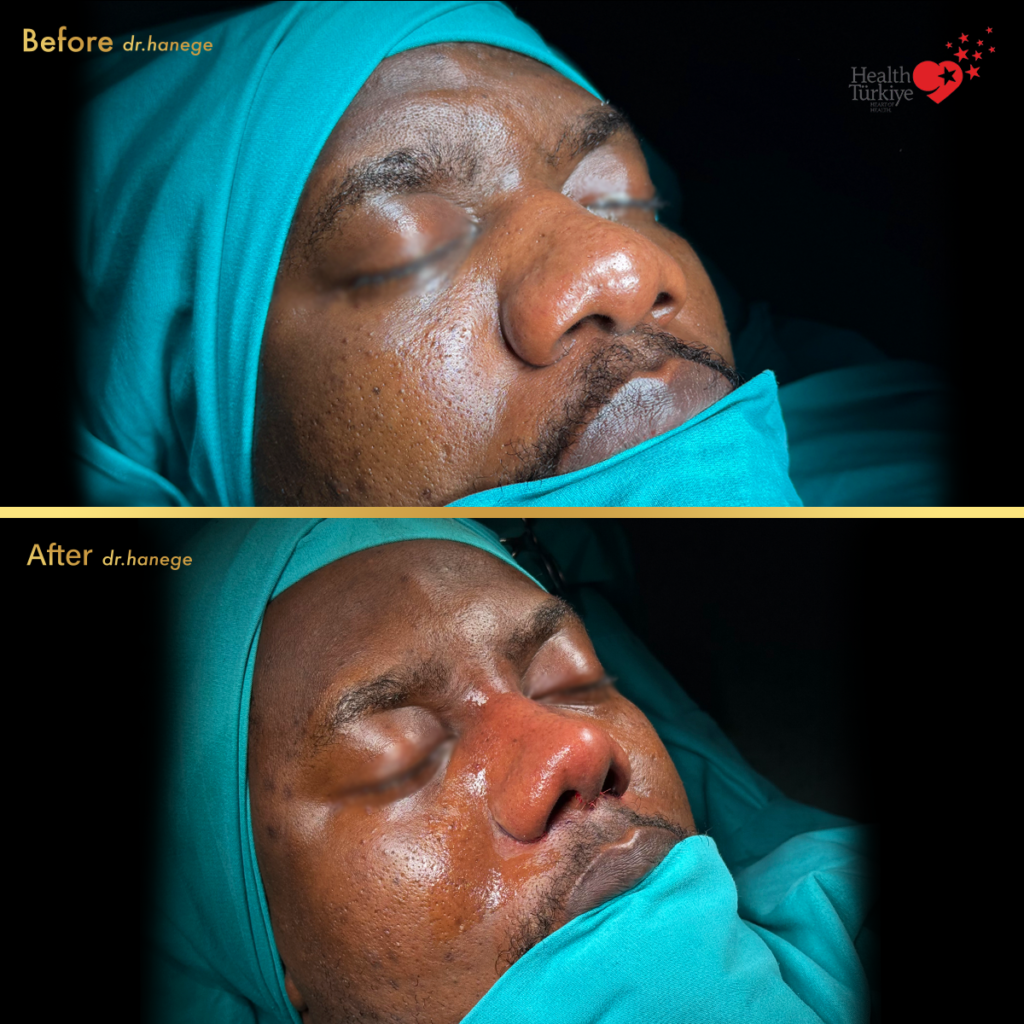
Rib cartilage has transformed modern ethnic rhinoplasty by providing the strength, stability, and versatility needed for complex nasal reconstruction. Unlike smaller cartilage sources, rib grafts allow surgeons to create a durable structural framework that supports both aesthetic refinement and healthy nasal function.
For patients with thick skin, weak cartilage, revision surgeries, or significant augmentation needs, rib cartilage often provides the best opportunity to achieve natural, balanced, and long-lasting results. When combined with meticulous surgical planning and extensive experience in ethnic rhinoplasty, rib cartilage can help preserve ethnic identity while enhancing facial harmony and improving breathing.