


In the world of cosmetic surgery, ethnic rhinoplasty has become one of the most discussed and sought-after procedures — especially among patients from diverse backgrounds who want to enhance their appearance while preserving their cultural identity.
However, despite its growing popularity, many misconceptions still surround this specialized surgery. From fears about losing one’s ethnic features to confusion about results, myths about ethnic rhinoplasty often discourage people from exploring this transformative yet subtle procedure.
In reality, ethnic rhinoplasty is about refinement, not transformation. It’s a highly individualized operation that requires a deep understanding of both anatomy and ethnicity.
In this article, we’ll uncover the top 7 myths about ethnic rhinoplasty — and reveal the truth behind each one, helping you make a confident, informed decision about your aesthetic journey.

1. Myth: Ethnic Rhinoplasty Erases Your Ethnic Identity
This is perhaps the most common and harmful myth about ethnic rhinoplasty.
Many people believe that undergoing nose surgery means “westernizing” their face or erasing their cultural identity. In truth, modern ethnic rhinoplasty is designed to celebrate your ethnicity — not eliminate it.
A skilled ethnic rhinoplasty surgeon focuses on subtle refinement: improving balance, proportion, and harmony while maintaining the unique features that make your face authentically yours.
For example:
- A Middle Eastern patient may wish to soften a dorsal hump while keeping the strong, elegant nose profile typical of their ethnicity.
- An African patient may prefer slight nostril refinement without losing the natural alar flare.
- An Asian patient might want enhanced bridge projection that complements their overall facial structure.
Ethnic rhinoplasty is not about changing who you are — it’s about helping you feel more confident in your natural beauty.
2. Myth: All Rhinoplasty Procedures Are the Same
Another common misconception is that all rhinoplasties follow a “one-size-fits-all” approach.
In reality, ethnic rhinoplasty differs significantly from standard rhinoplasty in both goals and techniques. Every ethnicity — African, Asian, Middle Eastern, Latin, or Mediterranean — has distinct nasal anatomy, including variations in skin thickness, cartilage strength, bone structure, and soft tissue.
For instance:
- African and Afro-Caribbean noses tend to have thicker skin and weaker cartilage.
- Asian noses often have lower bridges and require augmentation rather than reduction.
- Middle Eastern noses may have prominent dorsal humps and strong cartilage structures.
Because of these anatomical differences, ethnic rhinoplasty requires a customized surgical plan that addresses individual needs without compromising cultural identity.
The best ethnic rhinoplasty surgeons spend time analyzing your facial harmony, ethnicity, and aesthetic goals before recommending a tailored approach.
3. Myth: Ethnic Rhinoplasty Always Makes the Nose Smaller
Many assume that rhinoplasty always aims to “make the nose smaller.” While this may apply to certain cosmetic goals, it’s not true for everyone — especially in ethnic rhinoplasty.
In some cases, the procedure involves augmentation rather than reduction. For instance, patients of Asian or African descent may have low nasal bridges or less projection and might seek enhancement for better facial balance.
Ethnic rhinoplasty focuses on proportion rather than size. The goal is to create a nose that fits harmoniously with your other features — not simply to shrink it.
A well-done ethnic rhinoplasty enhances your overall appearance while maintaining a natural, balanced look that reflects strength, symmetry, and character.
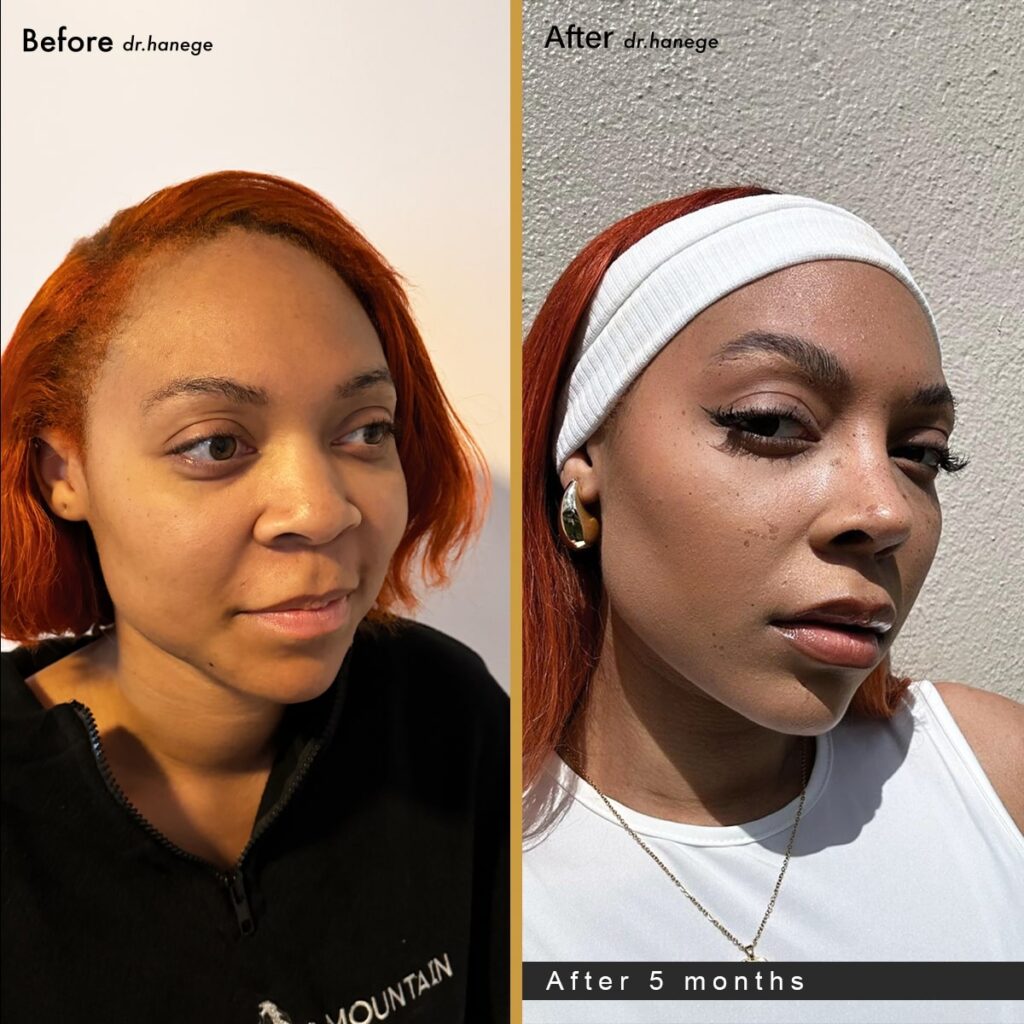
4. Myth: Ethnic Rhinoplasty Results Look “Fake” or Unnatural
Another persistent myth is that ethnic rhinoplasty produces artificial results or makes everyone look the same.
In reality, the opposite is true. The modern approach to ethnic rhinoplasty is rooted in individualized design and natural results. Surgeons use advanced 3D imaging and precise sculpting techniques to achieve outcomes that complement your face — not alter it drastically.
Top ethnic rhinoplasty surgeons in Turkey, for example, are internationally recognized for their ability to deliver refined yet authentic results. They focus on enhancing existing features rather than replacing them.
When performed correctly, ethnic rhinoplasty leaves you looking like the best version of yourself — not like someone else.
5. Myth: Ethnic Rhinoplasty Is Only for Women
Although many rhinoplasty advertisements feature female patients, ethnic rhinoplasty is increasingly popular among men as well.
Men from diverse ethnic backgrounds seek nasal refinement to enhance their facial harmony while preserving their masculine identity. However, male rhinoplasty requires a very different approach from female rhinoplasty.
A professional surgeon ensures that masculine features — such as a straighter bridge, stronger tip, and defined nasal contours — are maintained. The goal is refinement, not feminization.
With growing social acceptance and more natural surgical techniques, ethnic rhinoplasty for men has become a way to achieve balance and confidence without compromising masculinity or ethnic heritage.
6. Myth: Recovery from Ethnic Rhinoplasty Is Long and Complicated
Many potential patients worry that ethnic rhinoplasty involves a painful or lengthy recovery period. Thankfully, that’s another myth.
While recovery experiences vary depending on the complexity of the surgery and individual healing, most patients resume normal activities within 7 to 10 days.
Modern surgical techniques — including minimally invasive approaches, internal incisions, and refined suturing — have significantly reduced swelling and bruising.
In fact, the first week is usually the most critical, during which patients wear a nasal splint. After removal, mild swelling may persist for several weeks, but it gradually resolves over time.
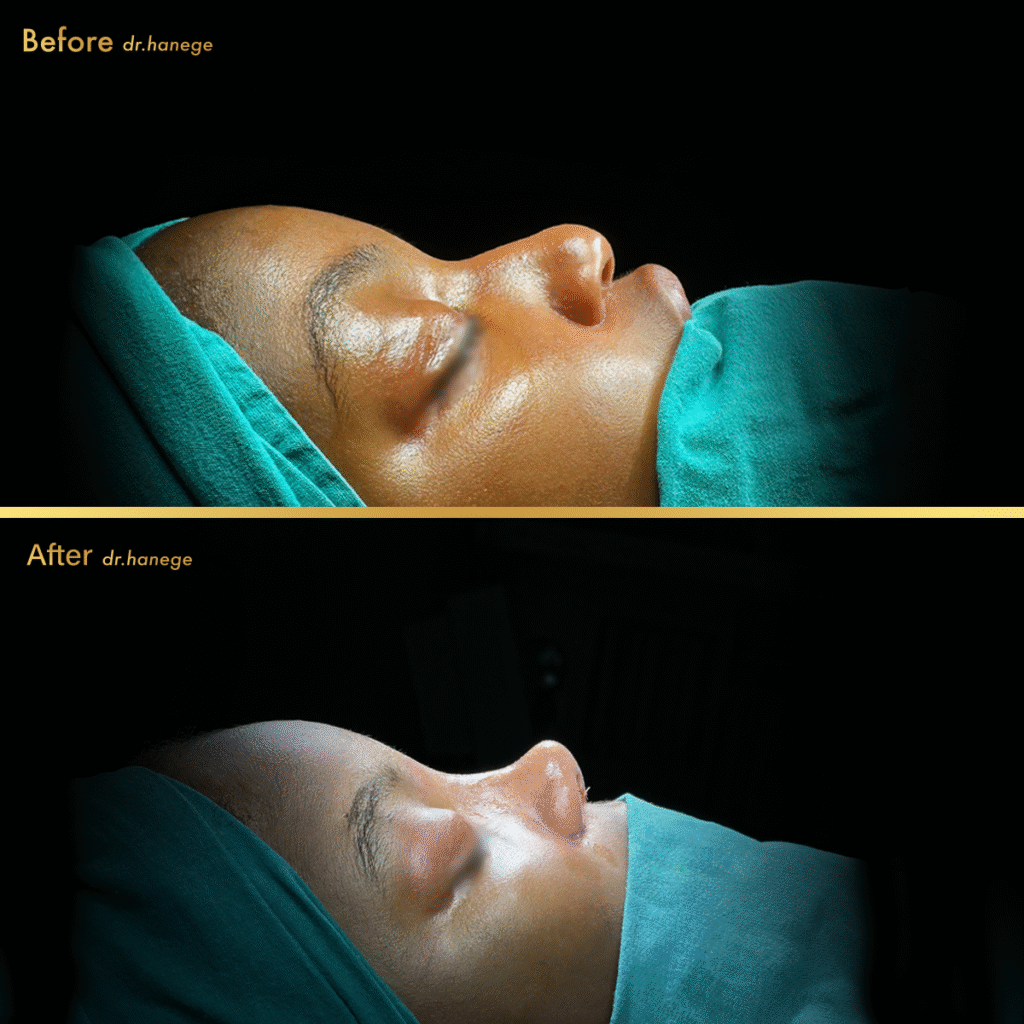
Full healing and definition appear over several months, revealing a natural, well-balanced nose that perfectly fits your facial features.
7. Myth: Ethnic Rhinoplasty Is Too Expensive or Not Worth It
While cost is always an important factor, the belief that ethnic rhinoplasty is “too expensive” or “not worth it” is often based on misunderstanding.
In countries like the USA or Western Europe, rhinoplasty can indeed be costly — often ranging between $8,000 and $15,000 USD. However, Turkey has emerged as a global leader in ethnic rhinoplasty by offering the same world-class results at significantly lower costs — typically between $3,000 and $6,000, including hospital care, accommodation, and transfers.
This affordability, combined with Turkey’s reputation for experienced surgeons and advanced medical tourism infrastructure, makes it a top choice for international patients seeking high-quality, affordable ethnic rhinoplasty.
Investing in a qualified, experienced surgeon ensures not only aesthetic satisfaction but also long-term functional benefits, such as improved breathing and nasal balance.
The Truth About Ethnic Rhinoplasty
The truth is simple: ethnic rhinoplasty is an art form that celebrates individuality and diversity. It’s not about changing who you are — it’s about enhancing your natural beauty in a way that aligns with your personality, heritage, and confidence.
Here’s what defines successful ethnic rhinoplasty:
- Preservation of ethnic identity
- Natural, personalized results
- Balanced proportions with facial harmony
- Long-lasting functional improvement
Choosing the right surgeon is key. Look for one who specializes in ethnic rhinoplasty, understands diverse nasal anatomies, and respects cultural aesthetics.
Why Turkey Is the Global Hub for Ethnic Rhinoplasty
Turkey — particularly Istanbul — has become one of the most trusted destinations for ethnic rhinoplasty worldwide. Patients from the USA, Europe, the Middle East, and Africa travel to Turkey each year to undergo surgery by leading experts who combine medical excellence with artistic vision.
What sets Turkish surgeons apart:
- Expertise in ethnic nasal anatomy
- Use of advanced 3D imaging and simulation
- Proven success with international patients
- Affordable, all-inclusive medical packages
- Multilingual staff and 24/7 patient support
With its combination of quality, affordability, and cultural sensitivity, Turkey continues to redefine the standards of global rhinoplasty care.

Conclusion
Ethnic rhinoplasty is surrounded by myths — but understanding the truth helps patients make confident, informed decisions. Whether your goal is to refine your nose shape, improve breathing, or enhance your self-image, this procedure offers a personalized path to balance and harmony.
Remember: ethnic rhinoplasty is not about changing your identity; it’s about refining it.
When performed by an experienced, culturally sensitive surgeon, the results can be truly transformative — natural, elegant, and uniquely yours.