

Recovering from rhinoplasty is an important part of achieving a successful outcome, but recovery after rib cartilage rhinoplasty involves unique considerations. Because this advanced procedure includes both nasal surgery and cartilage harvesting from the chest, patients often wonder what the healing process will be like and how long it will take before they see their final results.
The good news is that although recovery after rib cartilage rhinoplasty may be slightly more involved than a standard nose job, most patients heal well and return to their normal routines within a few weeks. The key is understanding what to expect during each stage of recovery and carefully following your surgeon’s post-operative instructions.
In this comprehensive guide, we explain the complete rib cartilage rhinoplasty recovery timeline, common symptoms, aftercare recommendations, and expert tips for achieving the best possible outcome.
What Is Rib Cartilage Rhinoplasty?
Rib cartilage rhinoplasty is a specialized nose surgery that uses cartilage harvested from the patient’s own rib to reshape, reinforce, or reconstruct the nose. It is commonly recommended for:
- Revision rhinoplasty
- Ethnic rhinoplasty
- Severe nasal trauma
- Saddle nose deformity
- Complex structural reconstruction
- Patients with insufficient septal cartilage
Rib cartilage is valued for its exceptional strength, large volume, and long-term stability. These qualities make it one of the most reliable graft materials in advanced rhinoplasty.
Why Recovery Differs from Standard Rhinoplasty
Recovery after rib cartilage rhinoplasty involves healing in two surgical areas:
- The nose
- The rib donor site
Although this may sound intimidating, most patients report that chest discomfort is milder than expected and gradually improves during the first few weeks.
The healing process depends on several factors, including:
- Surgical complexity
- Skin thickness
- Patient’s overall health
- Smoking status
- Compliance with aftercare instructions
Every patient heals differently, but understanding the general timeline helps set realistic expectations.
The First 24 Hours After Surgery
Immediately after surgery, patients are monitored until the effects of anesthesia wear off.
During the first day, it is normal to experience:
- Mild bleeding from the nose
- Nasal congestion
- Swelling around the eyes
- Facial tightness
- Mild chest soreness
- Fatigue
Most patients return home the same day or after one night in the hospital, depending on the extent of the procedure.
Keeping your head elevated helps reduce swelling and improves comfort.
Days 1–3: The Initial Recovery Phase
The first few days are usually the most uncomfortable, but symptoms are generally manageable with prescribed medication.
Common symptoms include:
Nasal Symptoms
- Swelling
- Bruising
- Congestion
- Pressure
- Temporary breathing difficulty
Chest Symptoms
- Mild soreness
- Tightness when moving
- Slight discomfort while coughing or laughing
Walking around the house is encouraged to promote healthy circulation, but strenuous activity should be avoided.
Week 1: Early Healing
By the end of the first week, many patients begin feeling significantly better.
During this period:
- Bruising starts fading
- Swelling begins decreasing
- Chest discomfort improves
- Energy levels increase
Your surgeon typically removes:
- Nasal splint
- External dressings
- Sutures if necessary
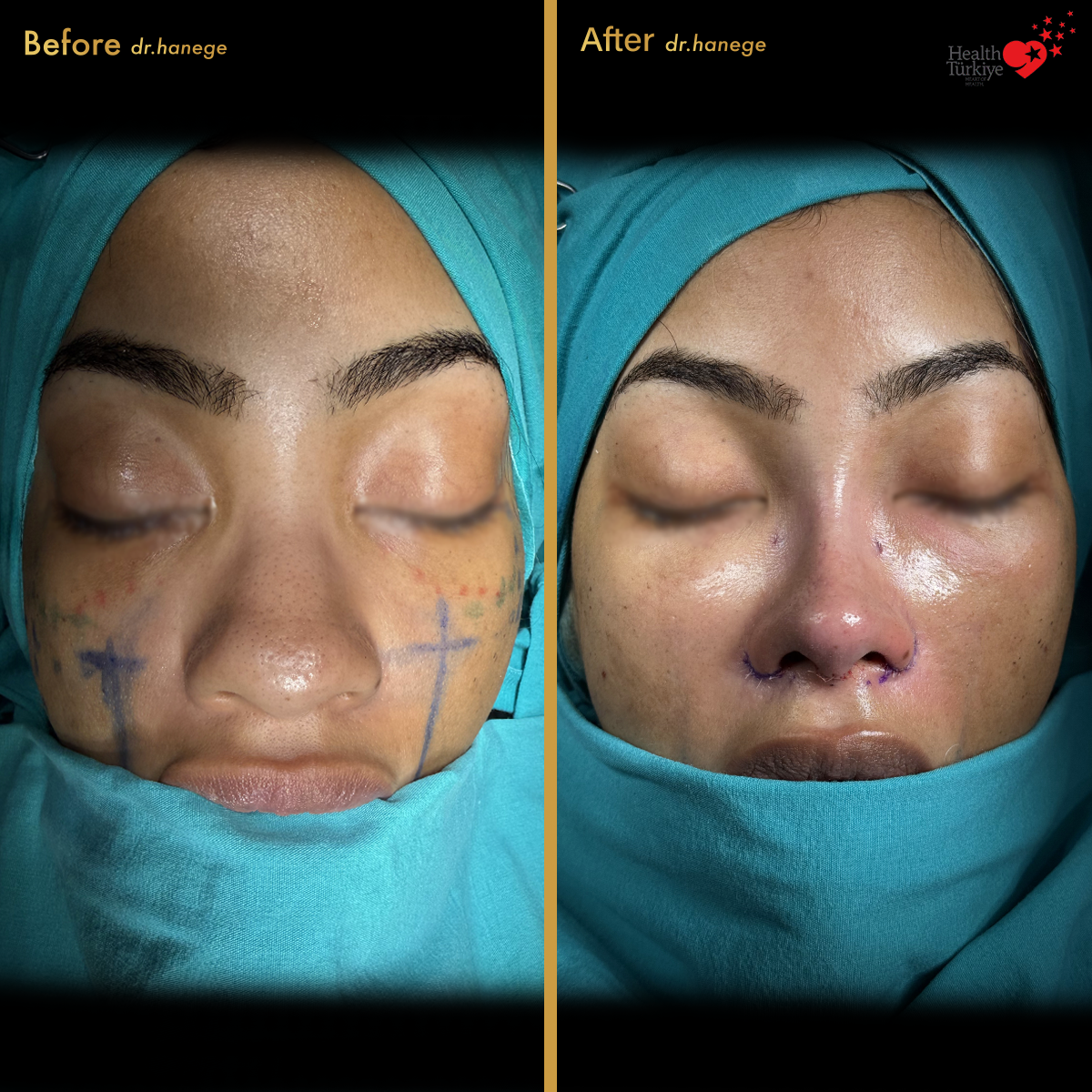
Although the nose already appears improved, significant swelling remains beneath the skin.
Weeks 2–4: Returning to Daily Life
Most patients can resume work and light daily activities within two weeks.
During this stage:
- Bruising has mostly resolved
- Swelling continues improving
- Breathing becomes easier
- Chest incision heals well
Patients often feel comfortable returning to:
- Office work
- Social activities
- Light walking
- Gentle household tasks
However, heavy lifting, contact sports, and intense exercise should still be postponed.
One to Three Months: Visible Improvements
This period brings noticeable changes.
Patients usually observe:
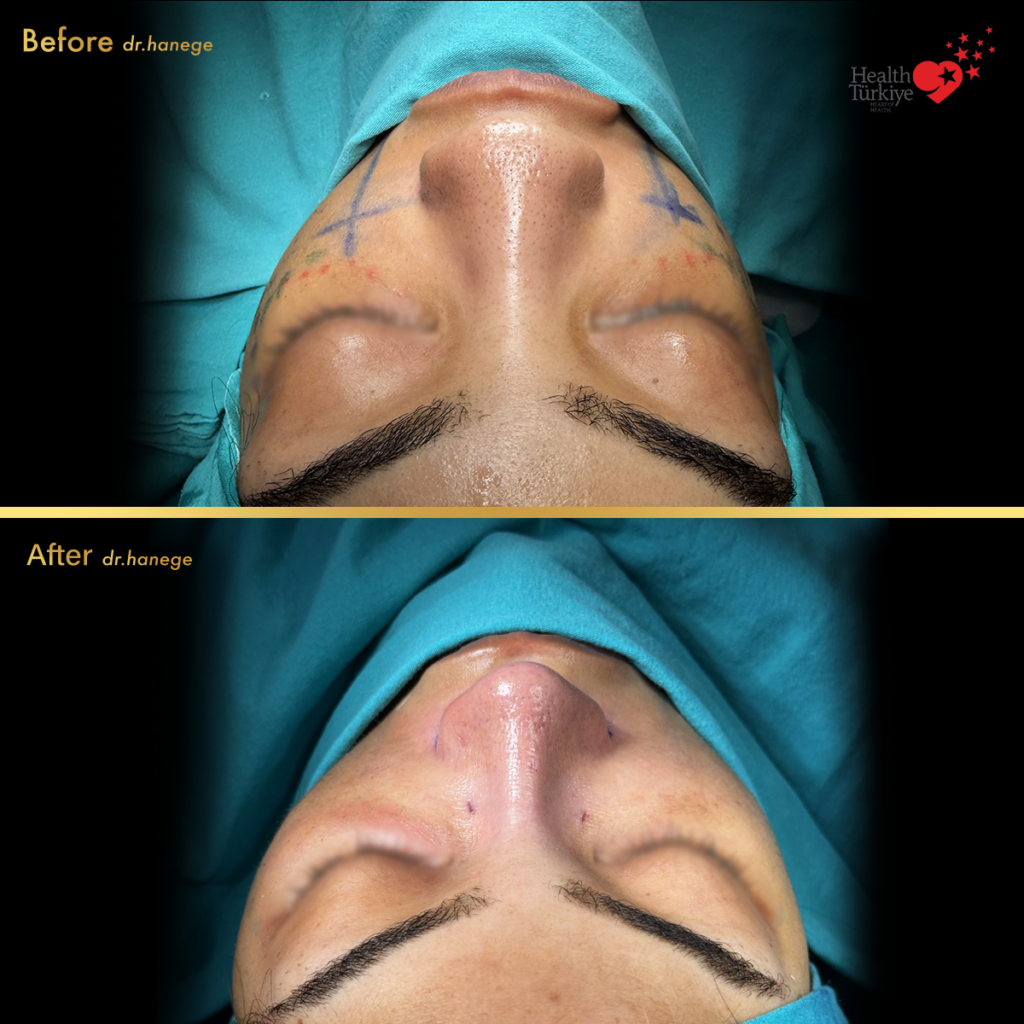
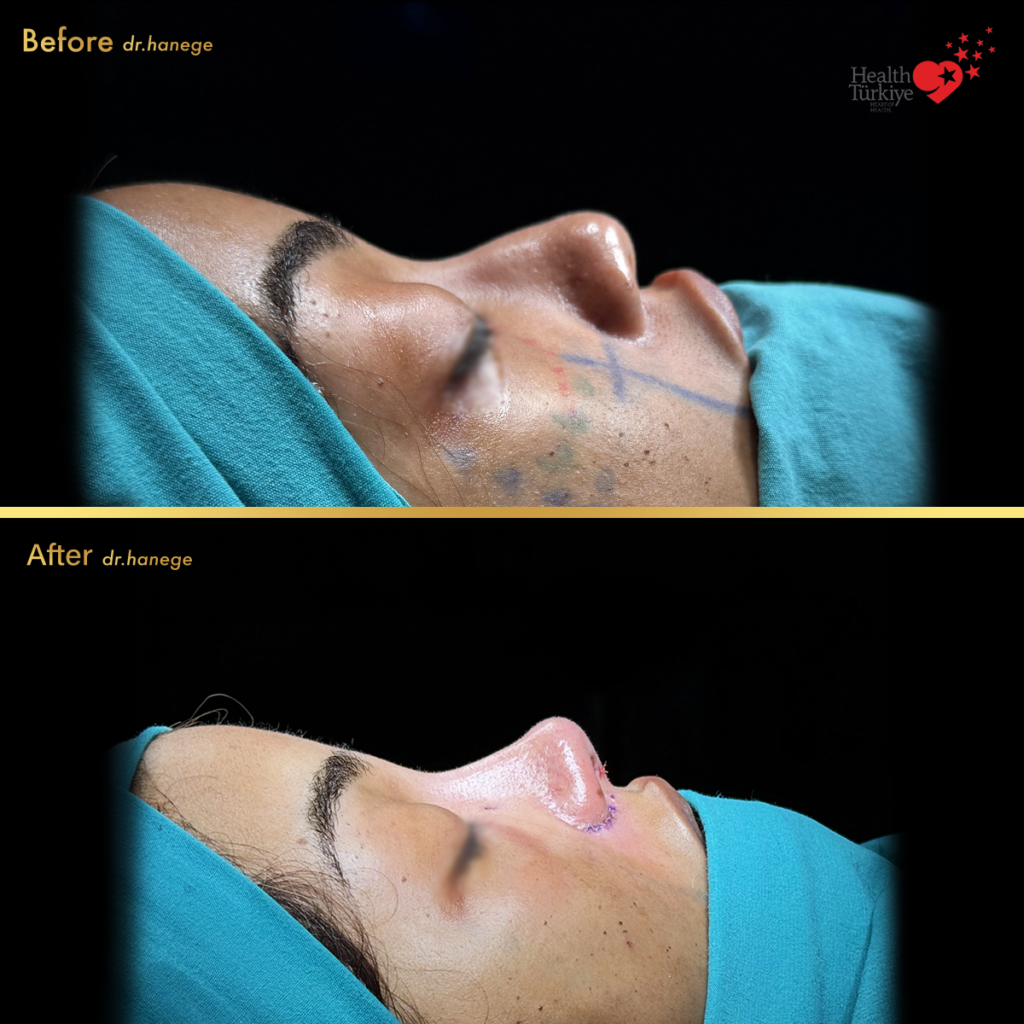
- Better tip definition
- Reduced swelling
- Improved facial balance
- More refined nasal contour
Internal healing continues even though the nose already looks much better.
Many patients mistakenly believe they have reached the final result, but subtle improvements continue for several more months.
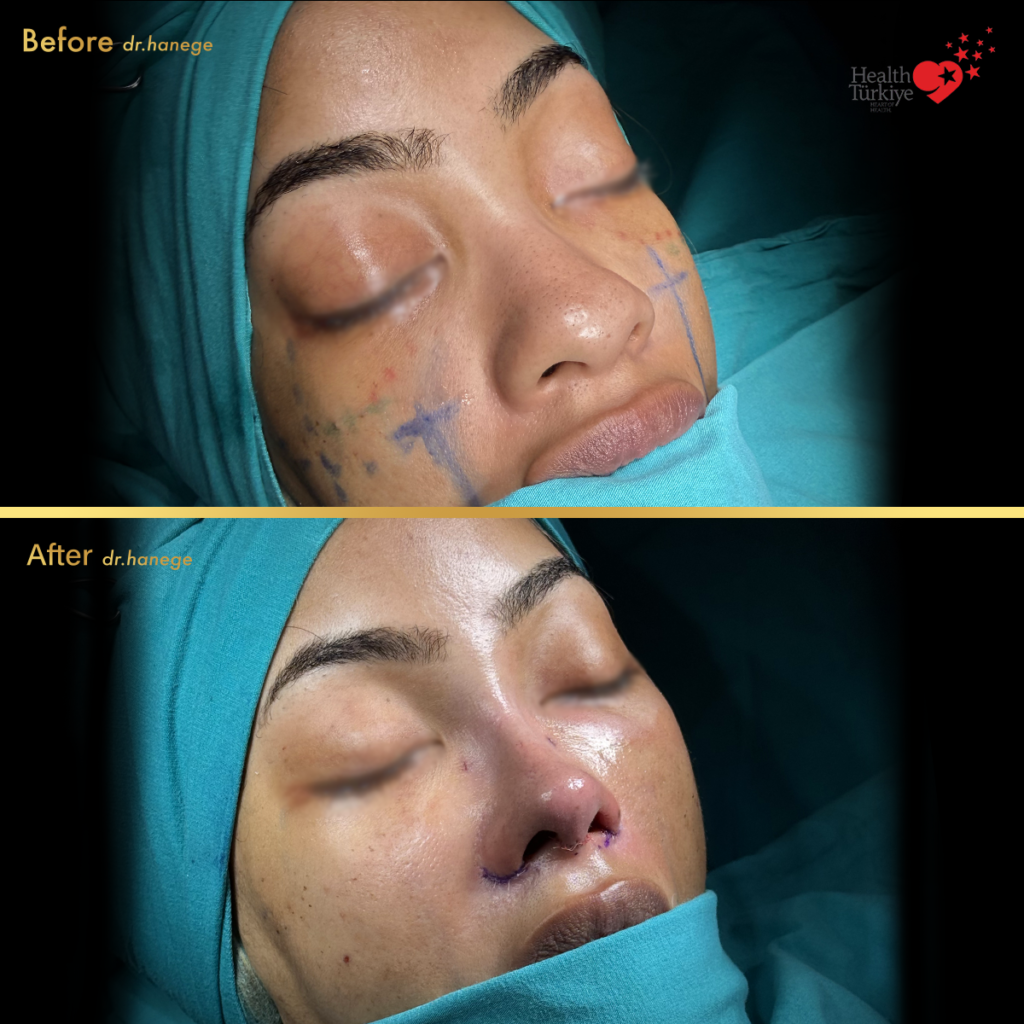
Six Months After Surgery
Around six months after rib cartilage rhinoplasty:
- Most swelling has disappeared
- Nasal contours become more defined
- Breathing continues improving
- The chest scar softens
Patients begin appreciating the long-term structural improvements created by rib cartilage grafts.
Twelve to Eighteen Months: Final Results
Complete healing following rib cartilage rhinoplasty may take between 12 and 18 months.
By this stage:
- Residual swelling resolves
- Cartilage fully stabilizes
- Skin adapts to the new framework
- Final tip definition appears
Patients with thicker skin may require the full 18 months before seeing their ultimate results.
Patience is essential because rhinoplasty healing is gradual.
Recovery at the Rib Donor Site
Many patients worry more about the rib incision than the nose itself.
Fortunately, donor-site recovery is usually straightforward.
Typical symptoms include:
- Mild soreness
- Tightness
- Temporary tenderness
- Slight discomfort with twisting movements
Most patients describe the discomfort as similar to a pulled muscle.
The incision is generally small and placed where it can be concealed beneath clothing.
Managing Swelling After Rib Cartilage Rhinoplasty
Swelling is a normal part of healing and varies depending on:
- Skin thickness
- Surgical complexity
- Individual healing response
Strategies to reduce swelling include:
- Sleeping with your head elevated
- Applying cold compresses around (not directly on) the nose during the first 48 hours
- Staying well hydrated
- Reducing dietary sodium
- Avoiding alcohol during early recovery
- Taking medications exactly as prescribed
Your surgeon may also recommend nasal taping or steroid injections in selected patients.
Pain Management
One of the biggest misconceptions about rib cartilage rhinoplasty is that recovery is extremely painful.
In reality, most patients report:
- Mild to moderate nasal discomfort
- Mild chest soreness
- Tightness rather than severe pain
Pain is usually well controlled with prescribed medications during the first few days.
As healing progresses, most patients switch to over-the-counter pain relief if needed.
Breathing During Recovery
It is completely normal to experience temporary nasal obstruction.
This occurs because of:
- Internal swelling
- Dried blood
- Healing tissues
Patients should avoid blowing their nose until cleared by their surgeon.
Breathing typically improves gradually over the first several weeks.
If functional corrections were performed, breathing often becomes significantly better than before surgery once healing is complete.
Activity Restrictions
Proper activity modification helps protect the healing nose.
During the First Two Weeks
Avoid:
- Heavy lifting
- Running
- Bending forward
- Swimming
- Contact sports
After Two to Four Weeks
Patients may gradually resume:
- Walking
- Stationary cycling
- Light exercise
More vigorous activities should only be restarted after surgeon approval.
Nutrition for Faster Healing
A balanced diet supports recovery.
Recommended foods include:
- Lean protein
- Eggs
- Fish
- Fresh fruits
- Vegetables
- Whole grains
- Nuts
- Healthy fats
Vitamin C, zinc, and adequate hydration contribute to healthy wound healing.
Patients should avoid smoking because nicotine significantly delays recovery and increases the risk of complications.
Scar Healing at the Rib Site
The chest incision typically heals very well.
Scar care may include:
- Silicone gel sheets
- Silicone scar gel
- Sun protection
- Gentle massage after healing
Most scars fade considerably within one year.
Possible Recovery Challenges
Although complications are uncommon, patients should be aware of warning signs such as:
- Persistent fever
- Increasing redness
- Severe swelling
- Heavy bleeding
- Difficulty breathing
- Significant chest pain
Any unusual symptoms should be reported to your surgeon immediately.
Tips for a Smooth Recovery
To optimize healing:
- Follow all post-operative instructions carefully.
- Attend every follow-up appointment.
- Avoid smoking and nicotine products.
- Sleep on your back with your head elevated.
- Protect your nose from accidental trauma.
- Stay hydrated.
- Eat nutritious meals.
- Avoid wearing heavy glasses if advised.
- Be patient with the healing process.
Recovery is a partnership between the surgeon and the patient.
Emotional Recovery
Many patients experience temporary emotional ups and downs after rhinoplasty.
It is normal to feel:
- Impatient
- Concerned about swelling
- Unsure about early appearance
Remember that the nose changes continuously during the first year.
Avoid judging your results too early, as swelling often hides the final outcome.
Why Rib Cartilage Provides Long-Term Benefits
Although recovery requires patience, rib cartilage offers several long-term advantages:
- Excellent structural support
- Stable tip projection
- Durable bridge augmentation
- Improved breathing function
- Reduced likelihood of structural collapse
- Lower revision rates in complex cases
These benefits often outweigh the slightly longer recovery compared with standard rhinoplasty.
Frequently Asked Questions
How long does rib cartilage rhinoplasty recovery take?
Most patients return to work within 10–14 days, while complete healing typically takes 12–18 months.
Is chest pain worse than nose pain?
Most patients report mild chest soreness rather than severe pain. It generally improves significantly during the first week.
When can I exercise again?
Light walking is encouraged early, but strenuous exercise should be postponed for several weeks or until your surgeon approves.
When will swelling disappear completely?
Most swelling resolves within six months, while subtle refinement continues for up to 18 months, especially in patients with thick skin.
Will the rib scar be noticeable?
The incision is usually small and strategically placed. With proper scar care, it typically becomes much less visible over time.
Rib cartilage rhinoplasty recovery requires patience, but the healing process is predictable and manageable for most patients. While recovery involves both the nose and the rib donor site, modern surgical techniques, improved pain management, and detailed aftercare protocols have made healing more comfortable than many people expect.
The first few weeks focus on reducing swelling and protecting the newly reconstructed nose, while the following months allow the nasal tissues to gradually settle into their final shape. Although complete healing may take up to 18 months, the long-term benefits—including stronger structural support, improved breathing, enhanced facial harmony, and durable results—make rib cartilage rhinoplasty an excellent option for patients undergoing complex, revision, or ethnic rhinoplasty procedures.
Choosing an experienced rhinoplasty surgeon and following all recovery instructions carefully are the most important steps toward achieving safe healing and beautiful, natural-looking results.