

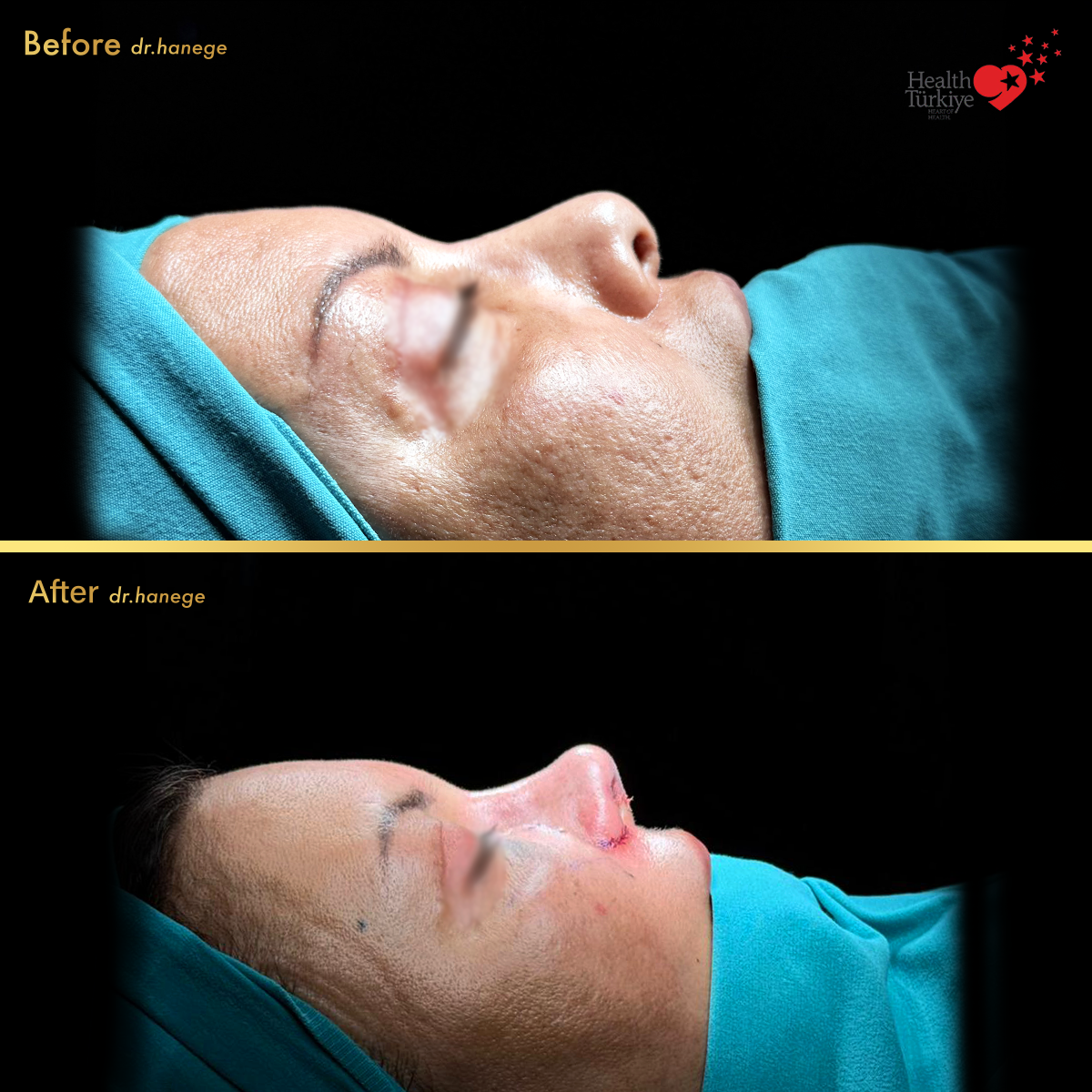
Revision rhinoplasty is considered one of the most challenging procedures in facial plastic surgery. Unlike primary rhinoplasty, revision cases involve altered anatomy, scar tissue, weakened structures, and limited remaining cartilage. In these complex situations, surgeons often rely on rib cartilage grafts to rebuild and strengthen the nose.
Over the years, rib cartilage in revision rhinoplasty has become one of the most trusted and effective solutions for achieving long-lasting, natural-looking results. Its strength, versatility, and availability make it ideal for patients who require significant structural reconstruction after a previous nose surgery.
In this comprehensive guide, we explore the major advantages of rib cartilage in revision rhinoplasty, why surgeons prefer it in difficult cases, and what patients should expect during the process.
What Is Revision Rhinoplasty?
Revision rhinoplasty is a secondary or corrective nose surgery performed after a previous rhinoplasty. Patients seek revision surgery for various reasons, including:
- Unsatisfactory cosmetic results
- Breathing problems
- Nasal asymmetry
- Structural collapse
- Over-reduction of cartilage
- Scar tissue deformities
Revision procedures are more complex because the natural nasal anatomy has already been altered.
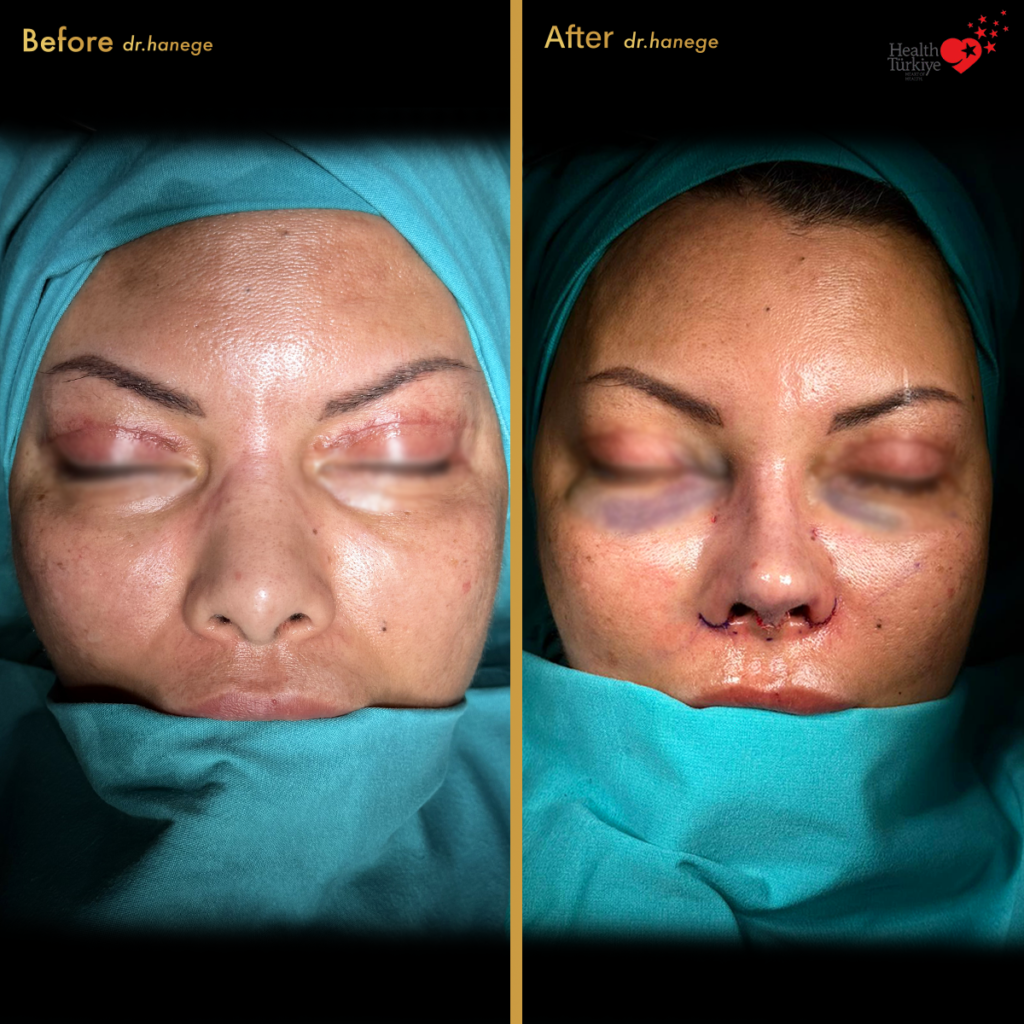
Why Revision Rhinoplasty Is More Difficult Than Primary Rhinoplasty
Primary rhinoplasty works with untouched anatomy, but revision surgery involves:
- Scar tissue
- Weak cartilage support
- Reduced available tissue
- Distorted anatomy
- Healing irregularities
As a result, surgeons often need additional cartilage to rebuild the nose properly. This is where rib cartilage becomes extremely valuable.
What Is Rib Cartilage in Rhinoplasty?
Rib cartilage rhinoplasty involves harvesting cartilage from the patient’s rib cage and using it as graft material during nose surgery.
The cartilage is typically used to:
- Reconstruct collapsed areas
- Improve nasal projection
- Reinforce structural support
- Correct breathing problems
- Restore facial harmony
Because rib cartilage is taken from the patient’s own body, it integrates naturally and safely.
1. Rib Cartilage Provides Large Amounts of Graft Material
One of the biggest advantages of rib cartilage is the abundant quantity available.
In revision rhinoplasty, septal cartilage is often:
- Already removed during previous surgery
- Too weak for reconstruction
- Insufficient in volume
Rib cartilage provides enough material for:
- Major reconstruction
- Multiple grafts
- Structural reinforcement
This makes it ideal for complicated revision cases.
2. Superior Structural Strength
Revision rhinoplasty often requires rebuilding the nose from the inside out. Weak cartilage cannot provide the support necessary for long-term stability.
Rib cartilage offers:
- Exceptional strength
- Long-lasting durability
- Resistance to collapse
This is especially important in patients who experienced:
- Pinched nose deformity
- Saddle nose collapse
- Drooping nasal tip
Strong support helps maintain results over time.
3. Excellent for Severe Nasal Collapse
Some revision patients suffer from severe structural collapse caused by:
- Over-aggressive previous surgery
- Trauma
- Infection
- Excessive cartilage removal
In these situations, rib cartilage can reconstruct:
- The nasal bridge
- Tip support structures
- Internal nasal valves
Without strong graft material, restoring the nose may not be possible.
4. Improved Breathing Function
Revision rhinoplasty is not only cosmetic. Many patients experience breathing difficulties after prior surgery.
Common functional problems include:
- Nasal valve collapse
- Septal instability
- Airway obstruction
Rib cartilage allows surgeons to rebuild internal support mechanisms, improving airflow and nasal function.
Patients often report:
- Easier breathing
- Better sleep quality
- Improved exercise tolerance
5. Long-Term Stability and Durability
One major concern in revision rhinoplasty is maintaining results over time. Weak grafts may bend, collapse, or fail under scar tissue pressure.
Rib cartilage provides:
- Strong structural integrity
- Better resistance against scar contracture
- Stable long-term support
This durability is one reason many surgeons consider rib cartilage the gold standard for complex revision cases.
6. Ideal for Ethnic Revision Rhinoplasty
Patients undergoing ethnic revision rhinoplasty often require augmentation and structural reinforcement rather than reduction.
Characteristics such as:
- Thick skin
- Softer cartilage
- Low nasal bridge
make rib cartilage particularly beneficial.
It helps achieve:
- Better tip definition
- Enhanced bridge projection
- Stronger support under thick skin
while preserving ethnic identity.
7. Natural Integration with the Body
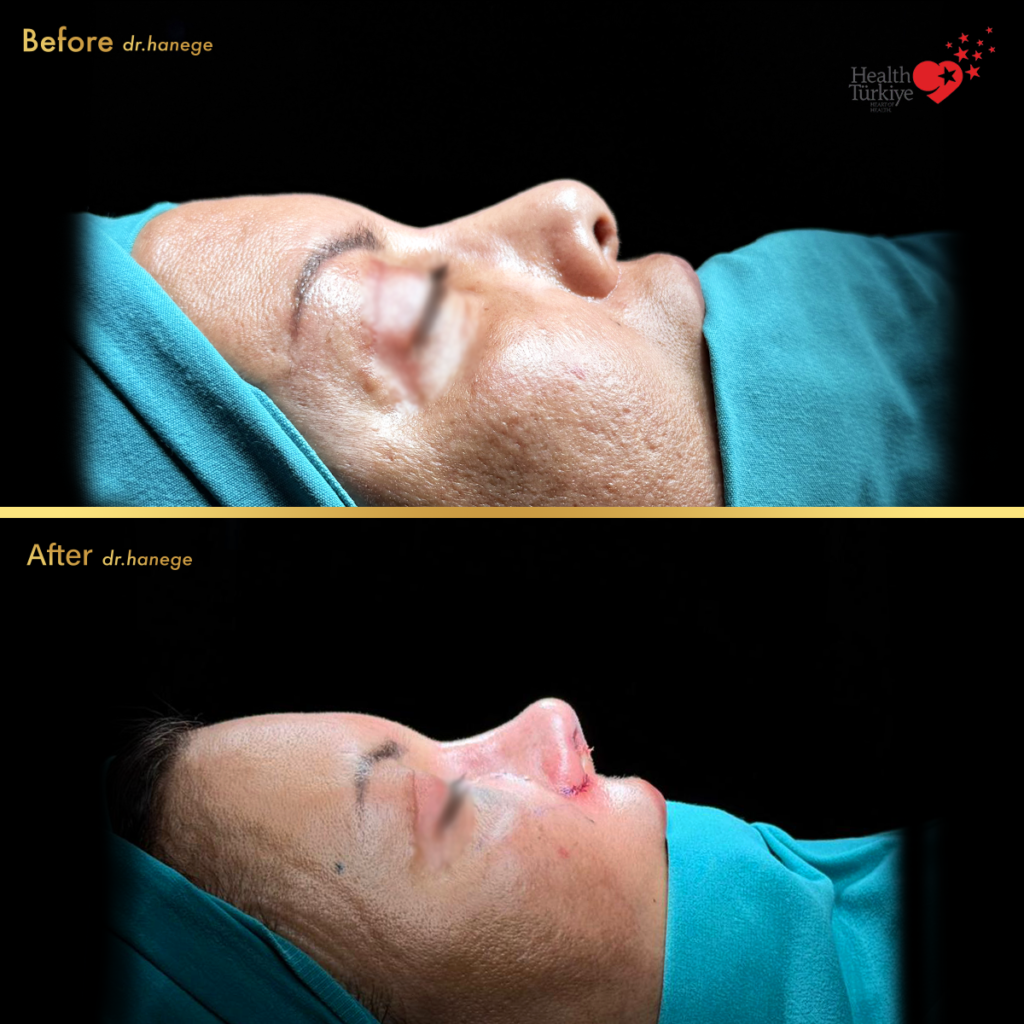
Because rib cartilage comes from the patient’s own body (autologous cartilage), it integrates naturally into the nose.
Advantages include:
- Low rejection risk
- Reduced infection risk
- Natural feel and appearance
- Better tissue compatibility
This makes rib cartilage safer than many synthetic implants.
8. More Versatile Than Other Cartilage Sources
Compared to septal or ear cartilage, rib cartilage offers greater versatility.
Surgeons can carve it into:
- Spreader grafts
- Tip grafts
- Dorsal augmentation grafts
- Structural support grafts
Its flexibility allows for highly customized reconstruction.
9. Better for Major Augmentation
Many revision patients require restoration of volume and projection lost during earlier surgeries.
Rib cartilage is ideal for:
- Building higher nasal bridges
- Increasing projection
- Reconstructing flattened noses
Smaller cartilage sources may not provide enough material for these changes.
10. Reduced Risk of Future Revision
One of the goals of revision rhinoplasty is avoiding additional surgeries. Because rib cartilage offers strong and stable support, it may reduce the likelihood of future structural failure.
This contributes to:
- Better long-term satisfaction
- More predictable outcomes
- Lower revision rates
Rib Cartilage vs Septal Cartilage in Revision Rhinoplasty
Septal Cartilage
- Limited quantity in revision cases
- Often already depleted
- Less structural strength
Rib Cartilage
- Large volume available
- Strong and durable
- Better for extensive reconstruction
For complex revisions, rib cartilage is frequently the superior option.
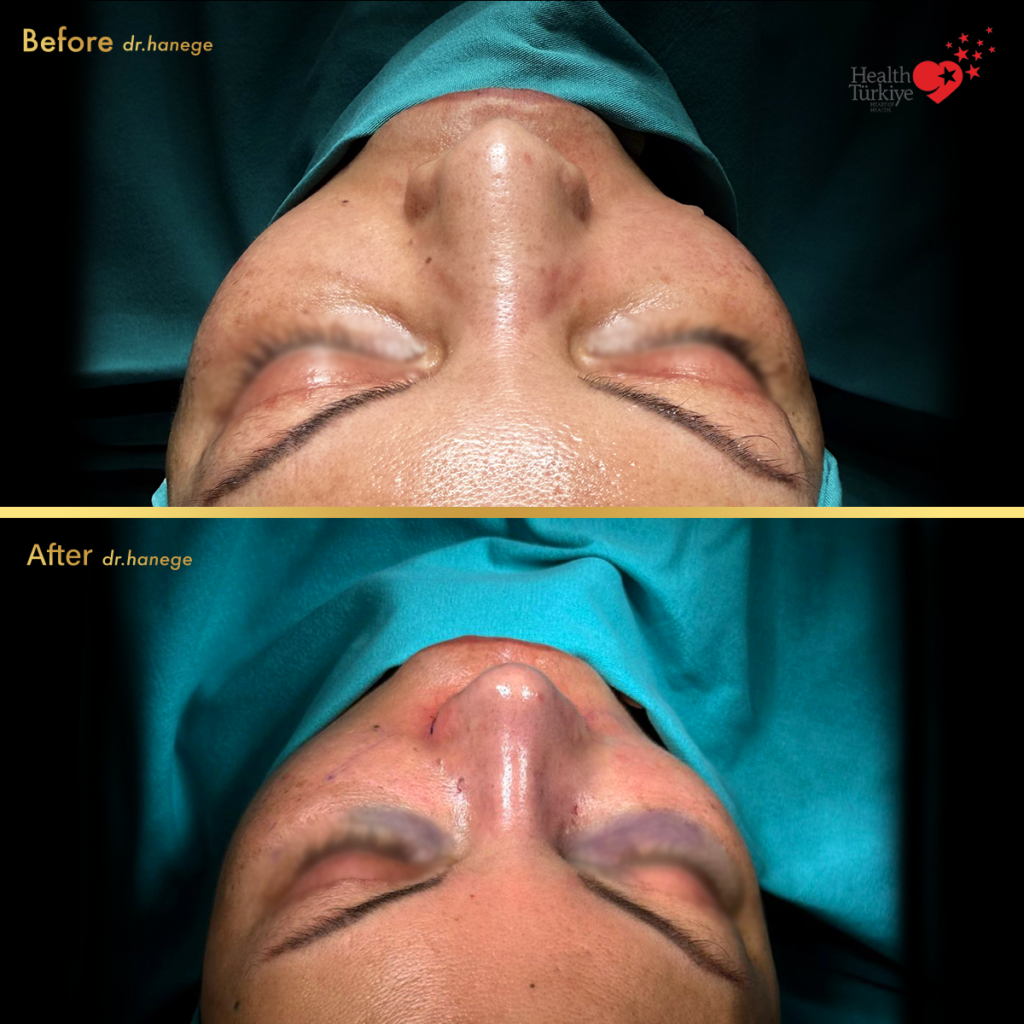
Does Rib Cartilage Rhinoplasty Leave a Scar?
Yes, a small incision is made near the chest to harvest cartilage. However:
- The scar is usually discreet
- It fades significantly over time
- It is hidden under clothing
Most patients feel the benefits outweigh the minimal scarring.
Recovery After Rib Cartilage Revision Rhinoplasty
Recovery includes healing at both:
- The nose
- The donor site
Common Recovery Symptoms
- Swelling and bruising
- Mild chest discomfort
- Nasal congestion
- Temporary tightness
Most patients return to light activities within 1–2 weeks.
Is Rib Cartilage Rhinoplasty Painful?
Many patients fear rib cartilage harvesting, but discomfort is typically manageable.
Patients usually describe:
- Mild soreness
- Temporary tightness
- Minor discomfort when moving
Modern pain management significantly improves recovery comfort.
Potential Risks and Challenges
Although highly effective, rib cartilage rhinoplasty does involve potential challenges:
- Cartilage warping
- Longer surgical time
- Additional healing site
However, experienced surgeons use advanced techniques to minimize these risks.
Choosing the Right Revision Rhinoplasty Surgeon
Revision rhinoplasty with rib cartilage is highly specialized. The surgeon should have expertise in:
- Structural rhinoplasty
- Rib graft carving
- Scar tissue management
- Ethnic rhinoplasty techniques
Surgeon experience is one of the most important factors influencing success.
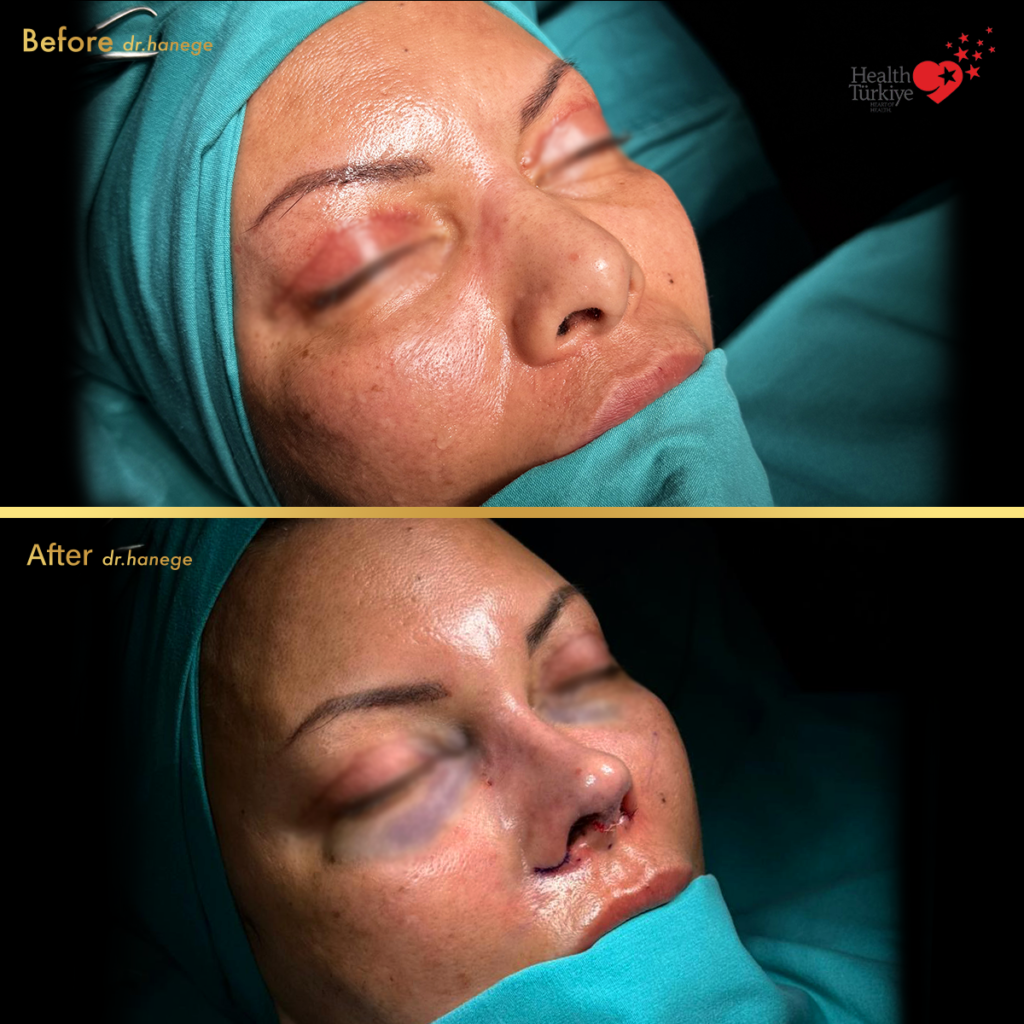
Psychological Benefits of Successful Revision Surgery
Patients seeking revision rhinoplasty often experience emotional stress from previous unsuccessful surgeries.
Successful reconstruction can improve:
- Self-confidence
- Social comfort
- Emotional well-being
- Quality of life
Natural, balanced results often restore both appearance and confidence.
Why Rib Cartilage Is a Game-Changer in Revision Rhinoplasty
The advantages of rib cartilage in revision rhinoplasty make it one of the most valuable tools in complex nose surgery. Its strength, versatility, abundance, and long-term stability allow surgeons to rebuild noses that were previously difficult to correct.
Whether addressing structural collapse, breathing problems, or failed cosmetic outcomes, rib cartilage offers reliable support and natural-looking results. Although the procedure is more advanced than standard rhinoplasty, experienced surgeons can achieve transformative improvements that restore both function and facial harmony.
For many revision rhinoplasty patients, rib cartilage is not simply an option—it is the foundation for a successful reconstruction.