


Ethnic rhinoplasty is a specialized form of nose surgery that focuses on enhancing nasal appearance while preserving a patient’s ethnic identity and facial harmony. One of the most critical elements that determines the success of ethnic rhinoplasty is cartilage grafting. Unlike standard rhinoplasty, ethnic rhinoplasty often requires structural reinforcement to support thicker skin, weaker cartilage, and unique nasal anatomy.
In this article, we explore the role of cartilage grafting in ethnic rhinoplasty, why it is essential, the types of grafts used, and how it influences both aesthetic and functional outcomes.
Why Cartilage Grafting Is Essential in Ethnic Rhinoplasty
Many patients seeking ethnic rhinoplasty have nasal features that differ from those typically seen in Caucasian rhinoplasty cases. These may include:
- Thicker nasal skin
- Weaker cartilage framework
- Low nasal bridge
- Under-projected nasal tip
- Wide nostrils or nasal base
Cartilage grafting allows surgeons to build and support the nose rather than simply reduce it. This structural approach is key to achieving long-lasting, natural results.

What Is Cartilage Grafting?
Cartilage grafting involves using cartilage tissue to reshape, reinforce, or augment the nasal structure. The grafts act as internal support beams, helping define the nose and maintain its shape over time.
In ethnic rhinoplasty, grafts are often used to:
- Improve nasal projection
- Strengthen the nasal tip
- Support thick skin
- Prevent collapse of nasal structures
- Enhance breathing
Sources of Cartilage Used in Ethnic Rhinoplasty
Septal Cartilage
The nasal septum is the most commonly used source of cartilage.
Advantages:
- Located within the same surgical field
- Strong and straight
- Ideal for structural support
Septal cartilage is often used for tip support, spreader grafts, and septal extension grafts.
Ear (Auricular) Cartilage
When septal cartilage is insufficient, cartilage may be harvested from the ear.
Advantages:
- Naturally curved shape
- Minimal visible scarring
- Useful for tip refinement
Ear cartilage is softer than septal cartilage and is often used in combination with other grafts.
Rib (Costal) Cartilage
In complex or revision cases, rib cartilage may be required.
Advantages:
- Abundant supply
- Strong structural support
- Suitable for major augmentation
Rib cartilage is typically reserved for severe deformities or revision ethnic rhinoplasty.
Types of Cartilage Grafts Used in Ethnic Rhinoplasty
Septal Extension Grafts
These grafts extend the nasal septum and provide strong tip support.
Benefits:
- Improves tip projection
- Prevents tip drooping
- Provides long-term stability
They are particularly important in patients with thick skin.
Spreader Grafts
Spreader grafts are placed along the nasal septum to widen the internal nasal valve.
Benefits:
- Improves breathing
- Straightens the nasal dorsum
- Enhances symmetry
These grafts play both functional and aesthetic roles.
Alar Batten Grafts
Used to support the nasal sidewalls and prevent collapse.
Benefits:
- Strengthens weak nostrils
- Improves airflow
- Maintains natural nostril shape
They are especially useful in ethnic noses with weaker cartilage.
Tip Grafts
Tip grafts help refine and support the nasal tip.
Benefits:
- Enhances definition
- Improves projection
- Supports thick skin
Tip grafting must be performed carefully to avoid over-projection.

Cartilage Grafting and Thick Skin
Thick skin is common in ethnic rhinoplasty and can mask underlying refinements. Cartilage grafts provide a strong framework that allows the skin to drape naturally over the nose.
Why Strong Support Is Crucial
- Prevents loss of definition over time
- Supports nasal tip against gravity
- Improves long-term results
Without grafting, thick skin can cause the nose to appear flat or droopy after healing.
Functional Benefits of Cartilage Grafting
Cartilage grafting is not only aesthetic—it is also essential for nasal function.
Functional Improvements Include
- Better airflow
- Reduced nasal obstruction
- Stabilized nasal valves
- Improved breathing during exercise and sleep
This is why cartilage grafting is often a key component of functional and ethnic rhinoplasty.
Cartilage Grafting in Revision Ethnic Rhinoplasty
Revision cases often involve weakened or over-resected cartilage from previous surgeries. Cartilage grafting becomes even more important in these situations.
Common Revision Challenges
- Collapsed nasal bridge
- Poor tip support
- Breathing difficulties
Grafts restore both structure and function, making revision ethnic rhinoplasty possible.
Does Cartilage Grafting Increase Recovery Time?
Cartilage grafting may slightly extend recovery, especially if cartilage is harvested from the ear or rib.
What Patients Can Expect
- Mild soreness at the donor site
- Slightly longer swelling duration
- Gradual refinement over months
Despite this, the long-term benefits far outweigh the short-term recovery considerations.
Risks and Safety of Cartilage Grafting
When performed by an experienced surgeon, cartilage grafting is safe and reliable.
Potential Risks
- Graft warping (rare with proper technique)
- Resorption (minimal with autologous cartilage)
- Infection (very rare)
Using the patient’s own cartilage significantly reduces the risk of complications.
Cartilage Grafting vs. Implants in Ethnic Rhinoplasty
Some patients ask about synthetic implants. While implants may offer quick augmentation, cartilage grafts are preferred.
Why Cartilage Is Better
- Lower risk of infection
- Natural integration with tissue
- Long-lasting results
- Better adaptability
Most experienced surgeons avoid implants in favor of cartilage grafting.
How Surgeons Plan Cartilage Grafting
Proper planning is critical. Surgeons assess:
- Skin thickness
- Cartilage strength
- Facial proportions
- Functional needs
This customized approach ensures natural, stable outcomes.
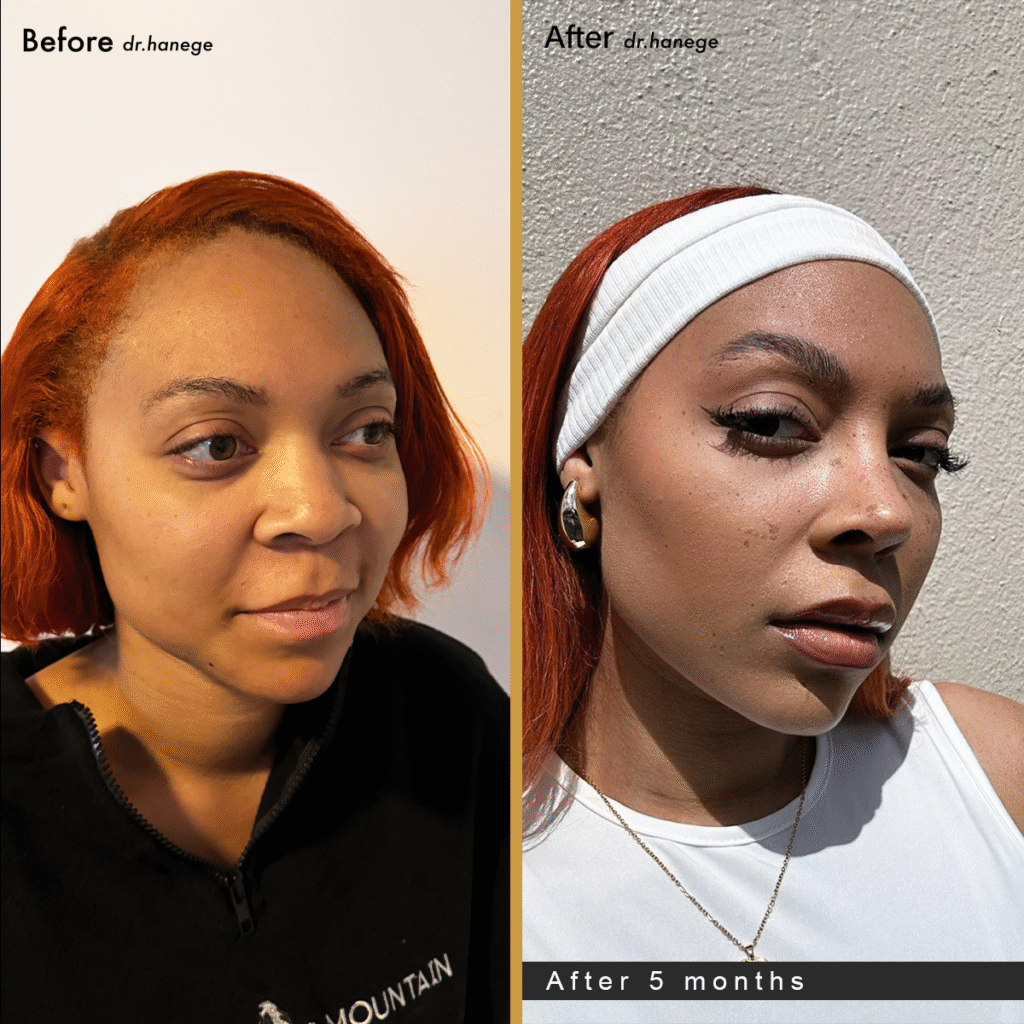
Choosing the Right Surgeon for Cartilage Grafting
Not all surgeons are equally skilled in cartilage grafting.
What to Look For
- Experience in ethnic rhinoplasty
- Structural rhinoplasty expertise
- Consistent before-and-after results
- Knowledge of functional anatomy
Surgeon expertise is the most important factor in successful grafting.
Cartilage Grafting Is the Foundation of Successful Ethnic Rhinoplasty
Cartilage grafting plays a central role in ethnic rhinoplasty by providing the structural support needed to achieve natural, stable, and long-lasting results. It allows surgeons to enhance the nose without compromising ethnic identity or function.
When performed by an experienced specialist, cartilage grafting ensures that ethnic rhinoplasty is not just about appearance—but about balance, strength, and harmony.