


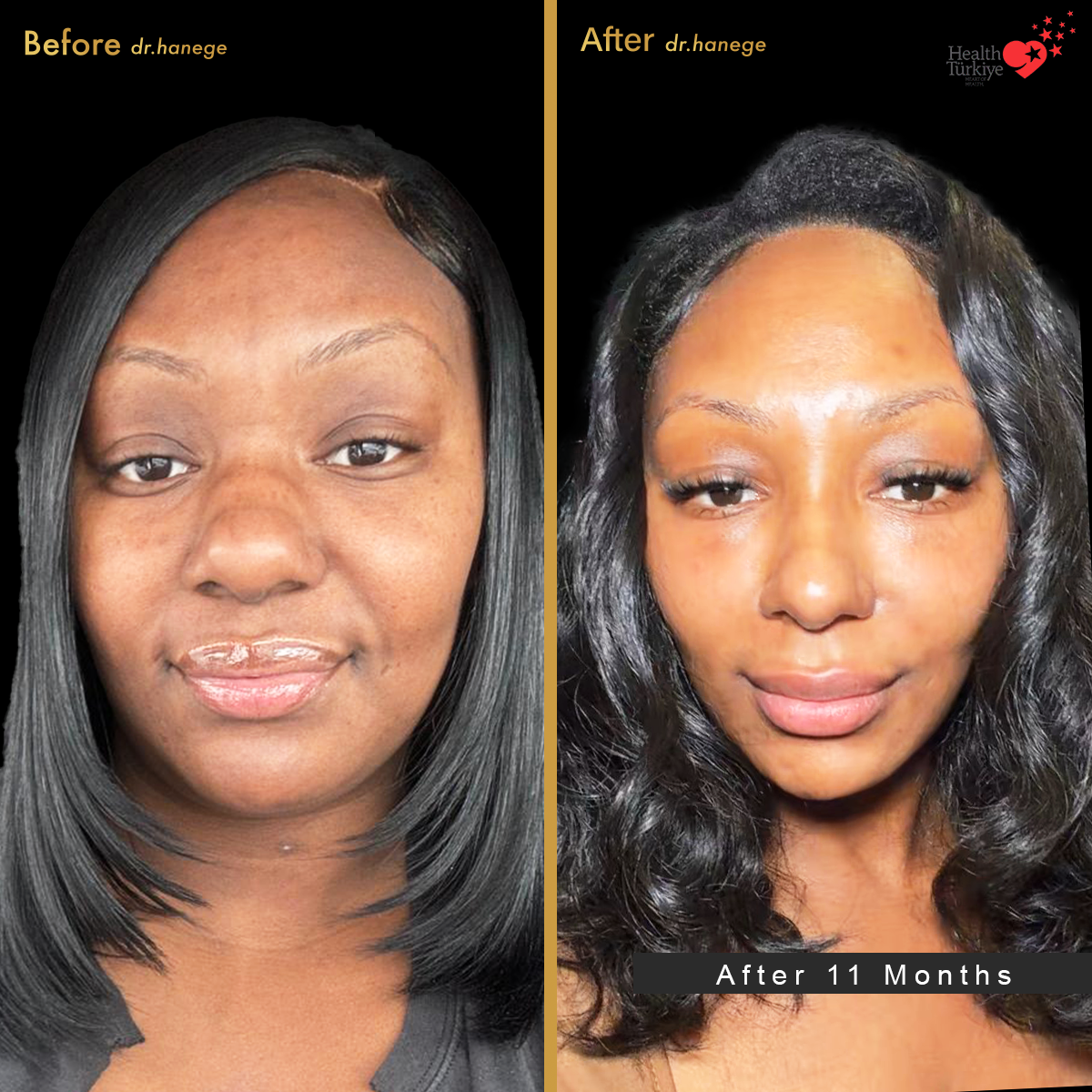
Ethnic rhinoplasty is more than a cosmetic procedure—it is a highly specialized surgical approach that balances aesthetic enhancement with cultural identity. Unlike traditional rhinoplasty, which often follows standardized beauty norms, ethnic rhinoplasty demands cultural sensitivity, deep anatomical knowledge, and a personalized surgical vision. Understanding why cultural awareness is essential in ethnic rhinoplasty helps both patients and surgeons achieve results that are natural, respectful, and harmonious.
Understanding Ethnic Rhinoplasty
Ethnic rhinoplasty refers to nose surgery performed on patients from diverse ethnic backgrounds, including African, Asian, Middle Eastern, Hispanic, and mixed heritage individuals. The primary goal is not to erase ethnic characteristics but to refine the nose while preserving the patient’s cultural and ethnic identity.
Each ethnic group has distinct nasal features such as:
- Skin thickness
- Cartilage strength
- Nasal bridge height
- Tip projection
- Nostril shape and width
Because of these variations, ethnic rhinoplasty cannot follow a one-size-fits-all approach.

The Importance of Cultural Sensitivity in Aesthetic Surgery
Cultural sensitivity in ethnic rhinoplasty means understanding and respecting how beauty is perceived differently across cultures. What is considered aesthetically pleasing in one culture may not align with another’s ideals.
For example:
- A high, narrow nasal bridge may suit Caucasian standards but may appear unnatural on an Asian or African face.
- Over-reduction of the nose can erase ethnic traits and cause loss of facial harmony.
- Some patients prioritize subtle refinement rather than dramatic change.
A culturally sensitive surgeon listens carefully to the patient’s expectations and avoids imposing Western beauty standards.
Preserving Identity While Enhancing Appearance
One of the biggest concerns among ethnic rhinoplasty patients is losing their unique identity. The nose plays a central role in defining facial character and cultural heritage.
Cultural sensitivity ensures:
- Ethnic features are refined, not eliminated
- The nose remains proportional to the face
- Results look natural and authentic
- Patients feel represented and respected
Ethnic rhinoplasty aims to enhance confidence without compromising individuality.
Anatomical Differences Require Specialized Expertise
Ethnic rhinoplasty requires a deep understanding of ethnic nasal anatomy. Surgeons must adapt techniques based on structural differences, such as:
Thicker Skin
Common in African and Middle Eastern noses, thick skin requires careful tip support and cartilage grafting to achieve definition.
Weaker Cartilage
Some ethnic noses have softer cartilage, making augmentation and structural reinforcement essential.
Lower Nasal Bridge
Often seen in Asian patients, requiring augmentation rather than reduction.
Without cultural and anatomical awareness, surgeons risk under- or over-correction.
Communication and Cultural Awareness in Consultation
A culturally sensitive approach starts with effective communication. During consultation, the surgeon must:
- Ask open-ended questions
- Understand cultural beauty ideals
- Use simulations responsibly
- Explain limitations realistically
Patients should feel heard, not pressured into a specific aesthetic outcome.
Language, cultural norms, and even non-verbal communication play a role in building trust.
Avoiding “Westernization” of the Nose
One of the most common mistakes in ethnic rhinoplasty is attempting to “Westernize” the nose. This can result in:
- Over-narrowing
- Excessive tip rotation
- Loss of ethnic harmony
- Unnatural appearance
Cultural sensitivity ensures that the final result complements the patient’s facial features rather than conforming to generic ideals.
Psychological Impact of Culturally Insensitive Surgery
A poorly executed ethnic rhinoplasty can have emotional consequences, including:
- Regret or dissatisfaction
- Identity conflict
- Reduced self-esteem
- Desire for revision surgery
When patients feel their cultural identity has been altered or erased, the psychological impact can be significant. Culturally sensitive care helps prevent these outcomes.
The Role of Surgeon Experience in Ethnic Rhinoplasty
Not all rhinoplasty surgeons are trained in ethnic rhinoplasty. Experience matters because:
- Techniques differ significantly
- Grafting is often required
- Skin behavior varies
- Healing patterns differ
Choosing a surgeon experienced in ethnic rhinoplasty increases the likelihood of safe, balanced, and satisfying results.
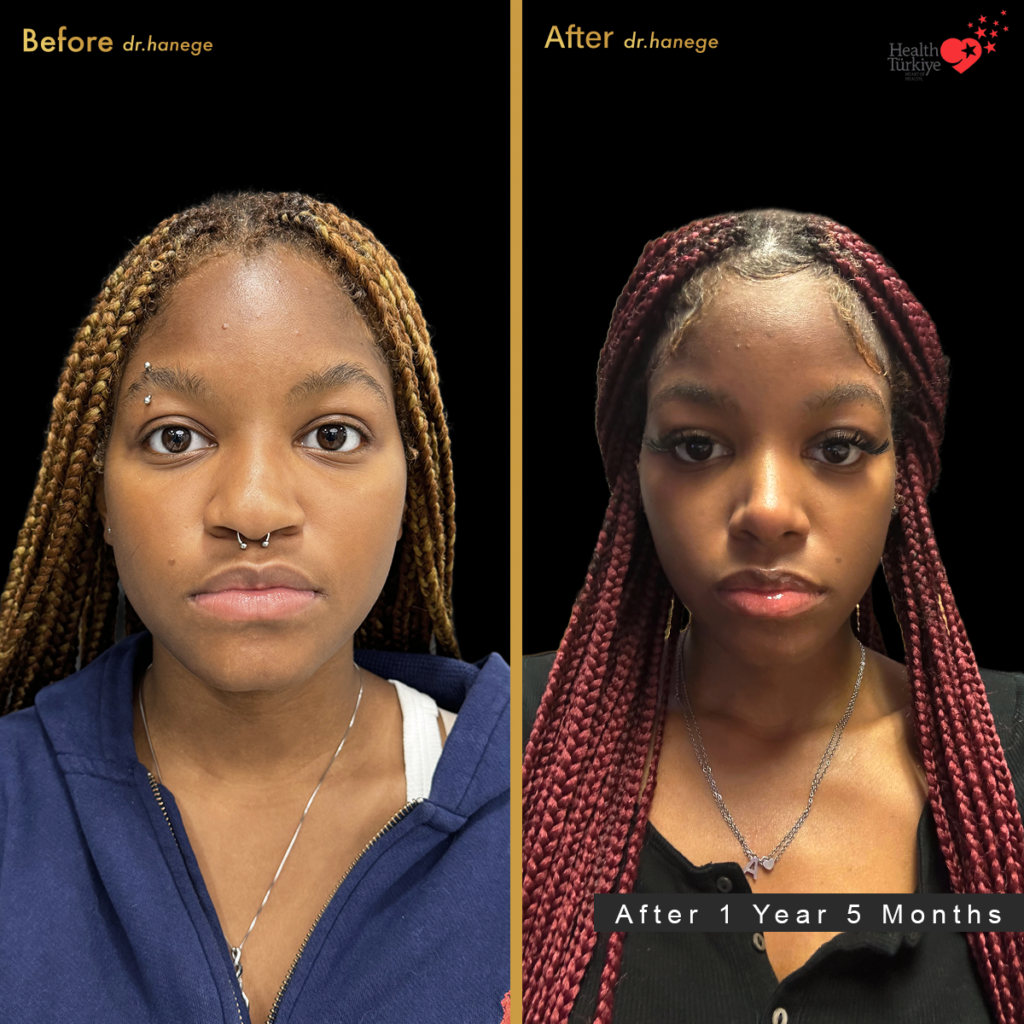
Customization Is Key in Ethnic Rhinoplasty
Cultural sensitivity encourages a customized surgical plan rather than a template-based approach. Each procedure should be tailored to:
- Facial proportions
- Gender
- Ethnic background
- Patient preferences
Customization respects diversity and individuality, which are at the heart of ethnic rhinoplasty.
Globalization and Diverse Patient Expectations
With medical tourism on the rise, especially in countries like Turkey, surgeons now treat patients from all over the world. This global diversity makes cultural sensitivity even more critical.
Surgeons must adapt to:
- Different beauty standards
- Varied communication styles
- Cultural expectations of care
Ethnic rhinoplasty performed without cultural awareness can lead to misunderstandings and dissatisfaction.
Ethical Responsibility in Ethnic Rhinoplasty
Cultural sensitivity is also an ethical responsibility. Surgeons should:
- Avoid pushing trends
- Respect patient identity
- Provide honest guidance
- Prioritize patient well-being
Ethical practice builds long-term trust and professional credibility.
Revision Ethnic Rhinoplasty and Cultural Awareness
Many revision rhinoplasty cases involve patients who feel their ethnicity was not respected in the initial surgery. Revision procedures are often more complex and emotionally charged.
A culturally sensitive surgeon can:
- Restore ethnic balance
- Correct over-reduction
- Rebuild structure
- Re-align results with patient identity
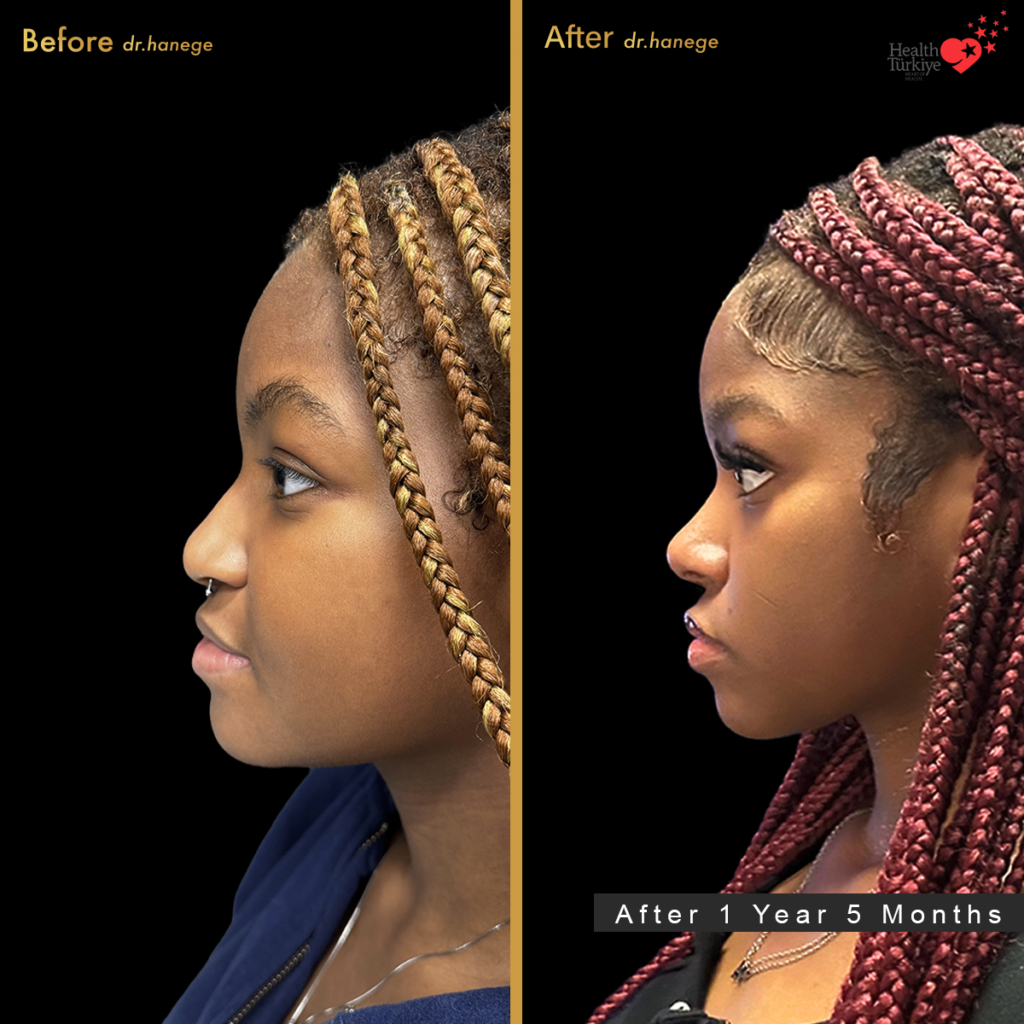
Patient Education and Informed Decisions
Educating patients about ethnic rhinoplasty helps them:
- Set realistic expectations
- Understand surgical limitations
- Appreciate cultural preservation
- Make confident decisions
Well-informed patients are more satisfied with their outcomes.
Cultural Sensitivity Is Not Optional
Ethnic rhinoplasty requires cultural sensitivity because beauty is deeply personal and culturally defined. Successful outcomes depend on respecting ethnic identity, understanding anatomical differences, and building trust through communication.
A culturally sensitive approach ensures that ethnic rhinoplasty enhances natural beauty while preserving what makes each patient unique. For both patients and surgeons, cultural awareness is not an option—it is a necessity.