


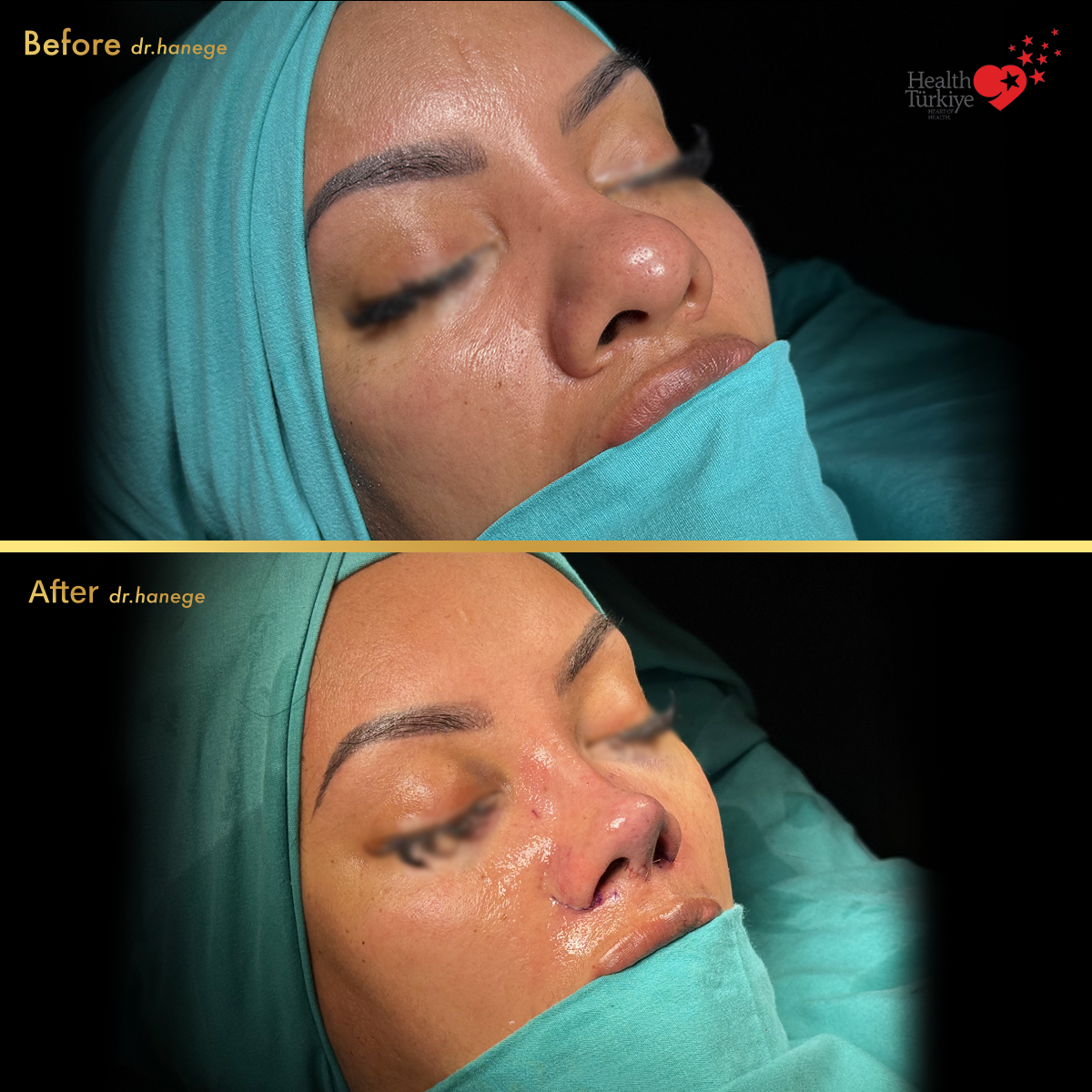
Thick skin rhinoplasty is one of the most challenging areas of facial plastic surgery. While patients with thick nasal skin often benefit from smoother contours and better camouflage of minor irregularities, they also present unique surgical challenges that require advanced planning and specialized techniques. One of the most effective solutions in these cases is the use of rib cartilage grafts.
Today, rib cartilage in thick skin rhinoplasty has become a preferred option for many experienced rhinoplasty surgeons because it provides exceptional structural support, long-term stability, and predictable results. Unlike weaker cartilage sources, rib cartilage offers the strength needed to support thicker soft tissues while maintaining natural-looking contours over time.
In this comprehensive guide, we’ll explain why rib cartilage is commonly used in thick skin rhinoplasty, who may benefit from this approach, how the procedure works, and what patients can expect during recovery.
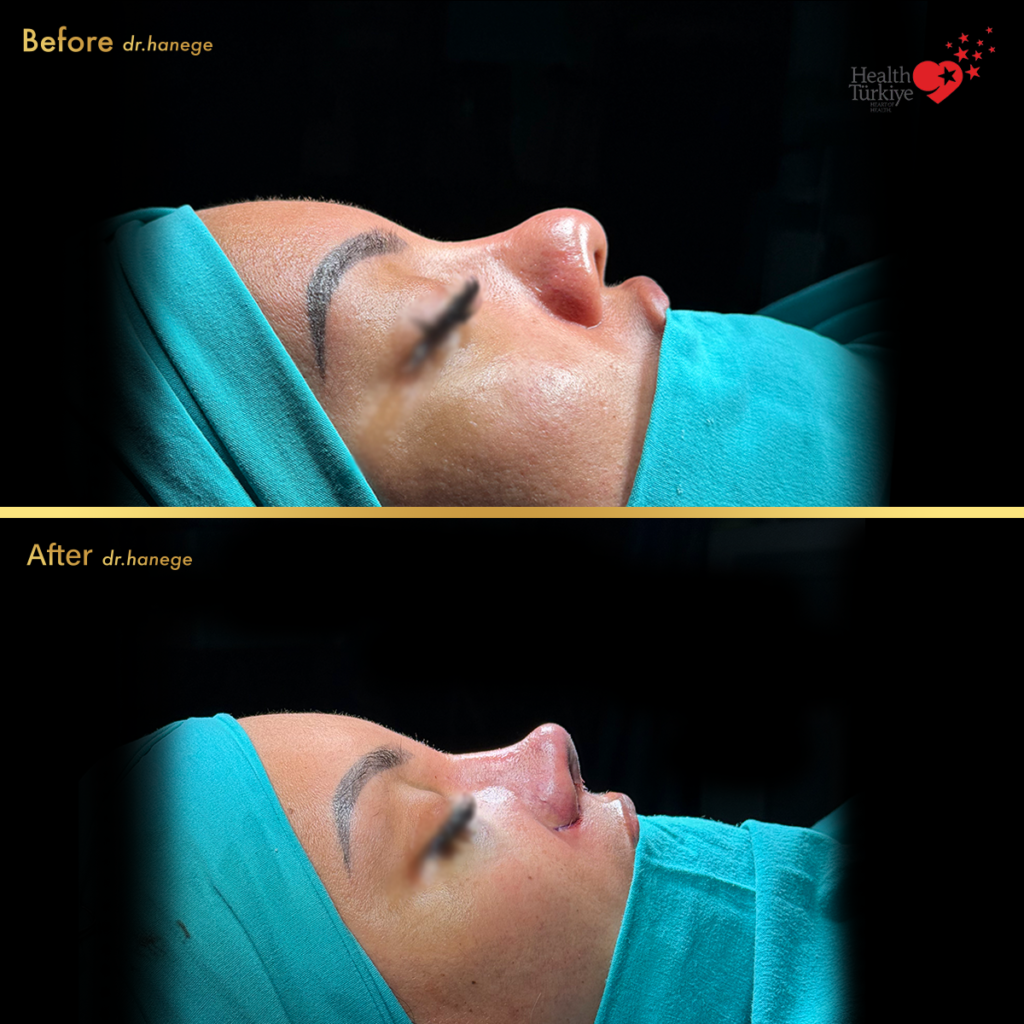
Understanding Thick Skin Rhinoplasty
Every rhinoplasty procedure must be customized to the patient’s unique anatomy. One of the most important anatomical factors influencing surgical planning is skin thickness.
Patients with thick nasal skin typically have:
- A thicker layer of soft tissue
- More sebaceous (oil) glands
- Greater skin weight
- Less transparency of underlying cartilage
- A slower healing process
These characteristics significantly influence how the nose heals and how visible surgical refinements become after the operation.
Unlike thin skin, which easily reveals even minor contour changes, thick skin tends to soften and conceal the underlying framework.
Why Thick Skin Makes Rhinoplasty More Challenging
Thick skin itself is not a disadvantage, but it requires a different surgical strategy.
Some of the most common challenges include:
- Limited tip definition
- Longer-lasting swelling
- Heavier skin envelope
- Increased pressure on the nasal framework
- Greater tendency for scar tissue formation
Because of these factors, surgeons cannot rely solely on cartilage reduction. Instead, they must build a strong internal structure capable of supporting the skin for years.
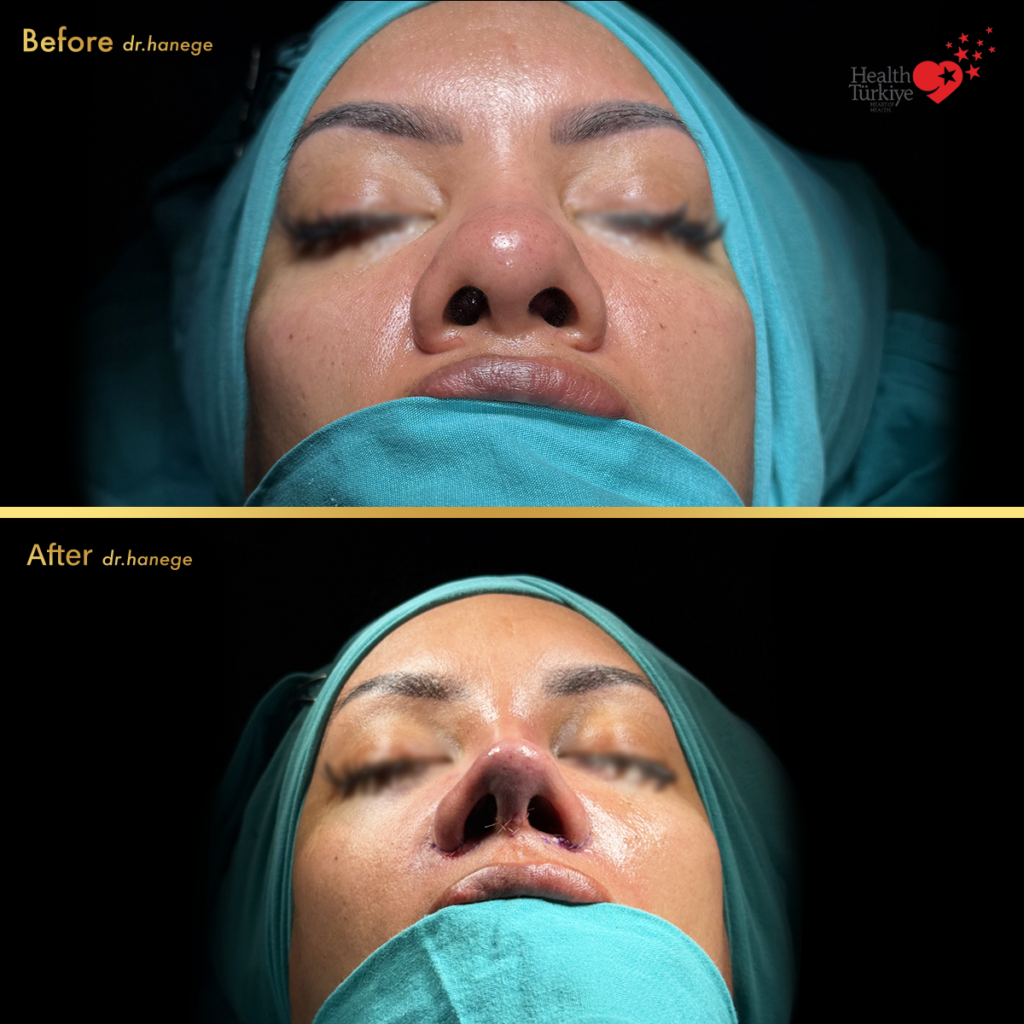
What Is Rib Cartilage Rhinoplasty?
Rib cartilage rhinoplasty is a surgical technique that uses cartilage harvested from the patient’s own rib to reconstruct or reinforce the nose.
The harvested cartilage is carefully carved into customized grafts that may be used to:
- Strengthen the nasal tip
- Increase bridge height
- Improve projection
- Correct asymmetry
- Support breathing function
- Reconstruct weakened areas
Since rib cartilage comes from the patient’s own body, it is highly compatible and integrates naturally with surrounding tissues.
Why Rib Cartilage Is Preferred in Thick Skin Rhinoplasty
Although septal cartilage remains the first choice for many standard rhinoplasty procedures, thick skin cases often require stronger structural support.
Rib cartilage provides several important advantages that make it particularly suitable for these patients.
1. Superior Structural Strength
One of the primary reasons surgeons choose rib cartilage is its exceptional strength.
Thick skin places continuous downward pressure on the nasal framework.
If the supporting cartilage is too weak:
- The nasal tip may droop
- Bridge definition may diminish
- Long-term results may become less noticeable
Rib cartilage creates a stable internal framework capable of resisting this pressure while maintaining the desired nasal shape.
2. Better Tip Projection
Patients with thick skin often struggle to achieve noticeable tip definition because the skin naturally masks underlying contours.
Rather than simply reducing cartilage, experienced surgeons focus on increasing structural support.
Rib cartilage allows surgeons to:
- Enhance projection
- Improve tip support
- Increase definition
- Maintain natural proportions
This produces a refined appearance without looking over-operated.
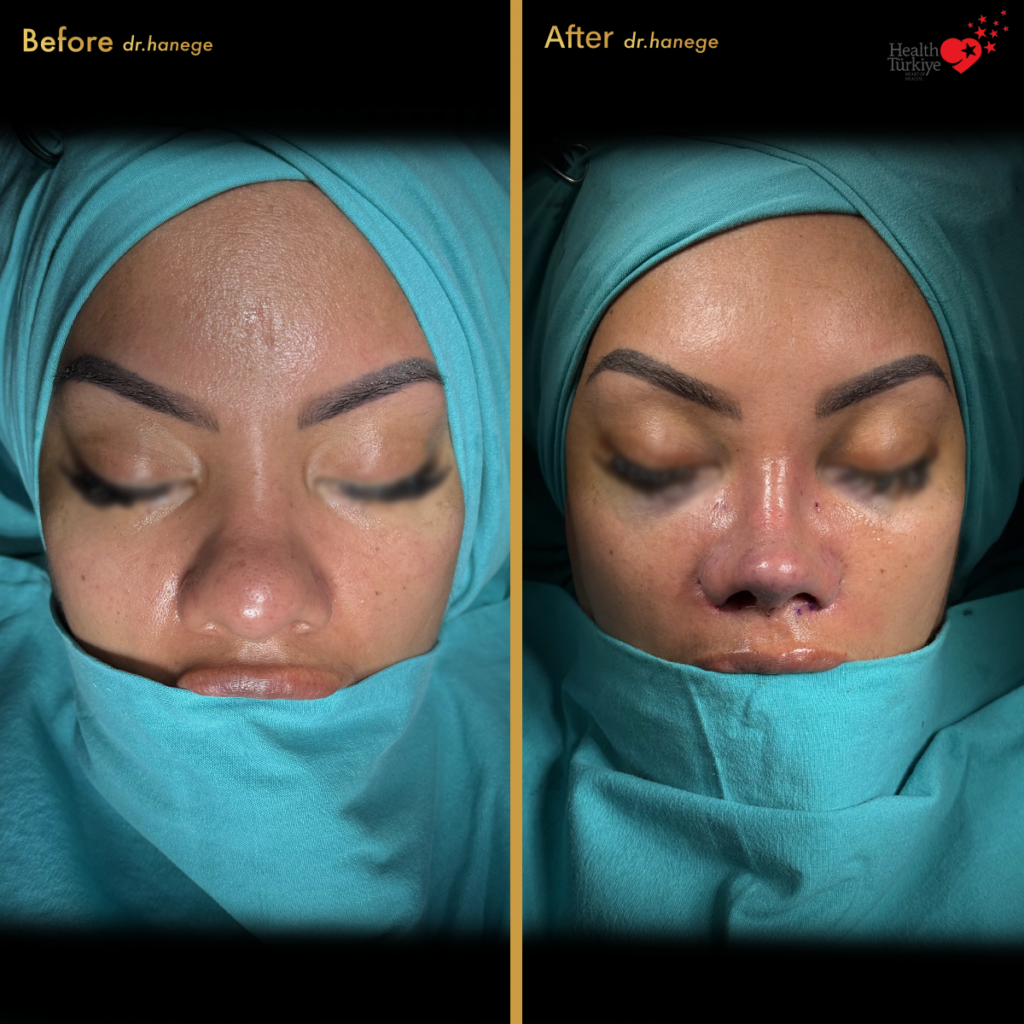
3. Long-Term Stability
One of the biggest concerns in thick skin rhinoplasty is maintaining results over time.
Weak cartilage may gradually bend or collapse beneath the weight of thicker skin.
Rib cartilage offers:
- Excellent rigidity
- Long-lasting durability
- Resistance to structural collapse
- Stable support for decades
This long-term reliability is one reason many specialists consider rib cartilage the gold standard for complex rhinoplasty.
4. Large Amount of Available Cartilage
Unlike septal cartilage, which is limited in quantity, rib cartilage provides abundant graft material.
This allows surgeons to create multiple customized grafts during one procedure.
Common grafts include:
- Columellar strut grafts
- Shield grafts
- Spreader grafts
- Dorsal onlay grafts
- Alar batten grafts
Each graft contributes to improving both appearance and function.
5. Ideal for Ethnic Rhinoplasty
Many patients seeking ethnic rhinoplasty naturally have thicker skin.
Common ethnic nasal characteristics include:
- Thick skin envelope
- Lower nasal bridge
- Softer cartilage
- Broader nasal tip
- Wider nostrils
These anatomical features often require augmentation rather than reduction.
Rib cartilage provides the strength necessary to preserve ethnic identity while enhancing facial harmony.
6. Better Support During Healing
Healing after thick skin rhinoplasty takes longer than in patients with thin skin.
Swelling may persist for:
- Six months
- Twelve months
- Sometimes up to eighteen months
Because the skin heals gradually, the nasal framework must remain stable throughout this period.
Rib cartilage maintains structural integrity while swelling slowly resolves.
7. Reduced Risk of Tip Drooping
One of the most frustrating long-term complications in thick skin rhinoplasty is postoperative tip drooping.
As gravity and skin weight act on the nose, inadequate support can cause the tip to descend.
Rib cartilage creates a strong foundation that helps preserve:
- Tip rotation
- Projection
- Symmetry
- Overall nasal balance
8. Improved Definition Without Over-Resection
Older rhinoplasty techniques often relied on removing cartilage to make the nose smaller.
Modern structural rhinoplasty follows a different philosophy.
Instead of excessive reduction, surgeons strengthen the nose internally.
This allows them to:
- Create natural contours
- Improve facial harmony
- Preserve breathing function
- Avoid an artificial appearance
Rib cartilage is central to this modern approach.
Rib Cartilage vs Septal Cartilage in Thick Skin Rhinoplasty
Both cartilage sources have important roles.
Septal Cartilage
Advantages:
- No additional incision
- Faster recovery
- Excellent for primary rhinoplasty
- Ideal for moderate corrections
Limitations:
- Limited quantity
- Less structural strength
- May be unavailable after previous surgery
Rib Cartilage
Advantages:
- Large volume
- Exceptional strength
- Long-term stability
- Better for complex reconstruction
For many thick skin patients, rib cartilage provides more reliable support.
Rib Cartilage in Revision Thick Skin Rhinoplasty
Revision rhinoplasty becomes even more complex when thick skin is combined with previous surgery.
Patients may present with:
- Scar tissue
- Structural collapse
- Missing cartilage
- Tip deformities
- Airway problems
Because septal cartilage has often already been used, rib cartilage becomes the preferred material for rebuilding the nose.
Functional Benefits
Strong structural support improves more than appearance.
Rib cartilage also reinforces:
- Internal nasal valves
- Septal stability
- Airway function
Patients frequently experience:
- Easier breathing
- Better sleep
- Improved exercise tolerance
- Enhanced quality of life
Does Rib Cartilage Create an Artificial Appearance?
One of the biggest misconceptions is that stronger cartilage leads to unnatural results.
In reality, experienced surgeons carefully sculpt each graft to match the patient’s anatomy.
Modern structural rhinoplasty emphasizes:
- Smooth contours
- Balanced proportions
- Natural projection
- Preservation of ethnic identity
The goal is refinement—not exaggeration.
Recovery After Rib Cartilage Thick Skin Rhinoplasty
Recovery follows the same general timeline as other rib cartilage procedures.
First Week
- Swelling
- Bruising
- Mild chest soreness
- Nasal congestion
Weeks Two to Four
- Improved comfort
- Reduced swelling
- Return to light activities
Six Months
- Significant refinement
- Better definition
Twelve to Eighteen Months
Final results become visible as swelling completely resolves.
Patience is especially important for thick skin patients because healing naturally takes longer.
Choosing the Right Surgeon
Thick skin rhinoplasty requires specialized expertise.
An experienced surgeon should understand:
- Structural rhinoplasty principles
- Thick skin anatomy
- Ethnic rhinoplasty techniques
- Advanced cartilage grafting
- Functional nasal reconstruction
Choosing the right surgeon is often more important than the graft material itself.
Who Is a Good Candidate for Rib Cartilage?
You may benefit from rib cartilage if you have:
- Thick nasal skin
- Weak nasal cartilage
- Low bridge projection
- Previous rhinoplasty
- Structural collapse
- Significant asymmetry
- Functional breathing issues
- Ethnic nasal anatomy requiring augmentation
A thorough consultation and examination help determine whether rib cartilage is the best choice for your specific case.
Frequently Asked Questions
Does everyone with thick skin need rib cartilage?
No. Many patients achieve excellent results using septal cartilage. Rib cartilage is generally recommended when greater structural support or larger grafts are required.
Will thick skin prevent good rhinoplasty results?
Not at all. While thick skin requires different surgical techniques and more patience during healing, excellent long-term results are possible with proper planning.
Is rib cartilage stronger than septal cartilage?
Yes. Rib cartilage offers significantly greater strength and volume, making it ideal for complex and structurally demanding rhinoplasty cases.
Will the donor-site scar be noticeable?
The incision is usually small and positioned where it is easily concealed. Most scars fade substantially over time with proper care.
Rib cartilage has become one of the most valuable tools in thick skin rhinoplasty because it provides the strength, stability, and durability needed to support heavier nasal soft tissues. Unlike weaker cartilage sources, rib cartilage creates a robust internal framework that maintains tip projection, bridge definition, and overall nasal balance throughout the healing process and for many years afterward.
Although not every patient with thick skin requires rib cartilage, it is often the best solution for individuals needing major structural support, ethnic rhinoplasty, revision surgery, or significant augmentation. Combined with modern structural rhinoplasty techniques and an experienced surgeon, rib cartilage can help patients achieve natural-looking, functional, and long-lasting results while preserving the unique characteristics that define their facial identity.